
METPACK 2026 Closes: Green + AI Signals Boost Digital Packaging Press Exports
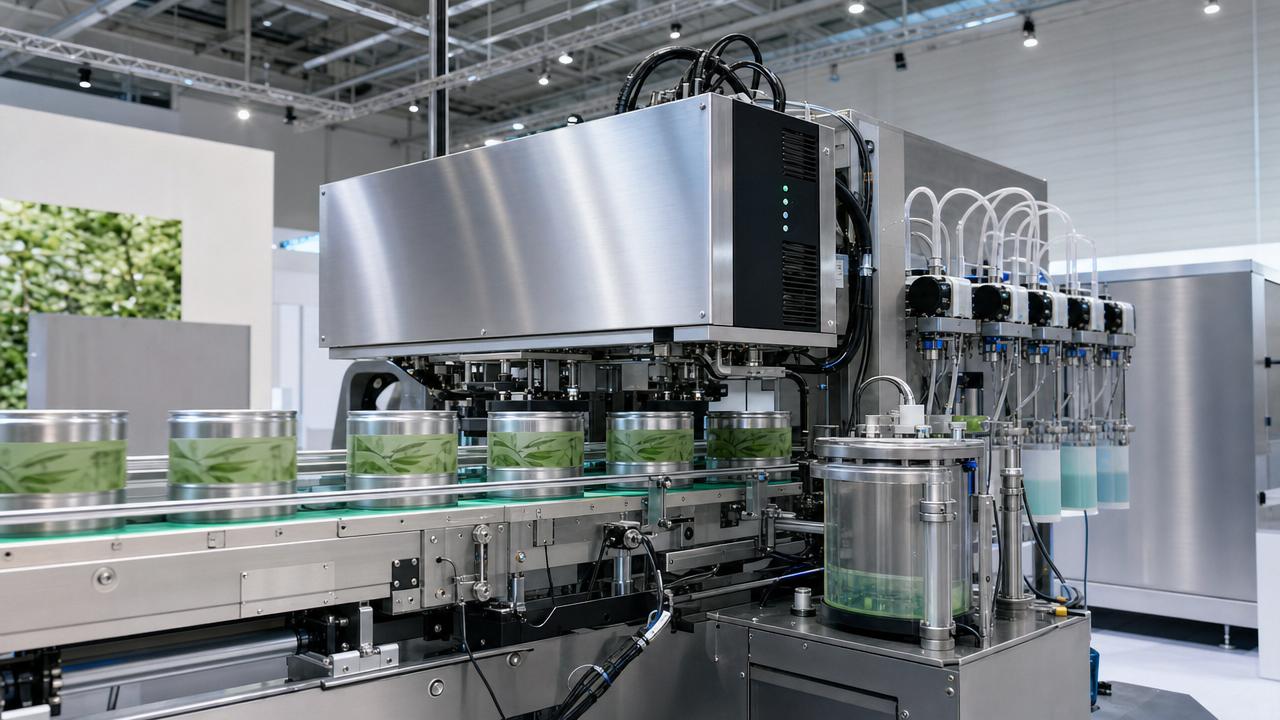
METPACK 2026 — the international trade fair for metal packaging — concluded on May 8, 2026 in Essen, Germany. With 81% of international attendees prioritizing sustainability and digital transformation, the event signaled a clear industry shift toward eco-compatible materials and AI-integrated digital printing solutions. This development is particularly relevant for manufacturers and exporters of high-speed inkjet presses, water-based ink systems, and related digital packaging equipment.
Event Overview
METPACK 2026 took place in Essen, Germany, and ended on May 8, 2026. Publicly reported data indicates that 81% of international visitors focused on sustainable and digitally upgraded packaging solutions. Over 60% of exhibitors showcased AI-driven digital inkjet printing integration packages and production lines compatible with water-based inks. These displays reflect growing procurement intent from global metal packaging converters for high-speed inkjet presses and eco-water-based inks.
Industries Affected
Direct Exporters of Digital Printing Equipment
Exporters of digital packaging presses face evolving technical expectations. The prevalence of AI-integrated inkjet systems at METPACK 2026 confirms that overseas buyers now benchmark performance against real-time process optimization, inline quality control, and seamless integration with ERP/MES platforms — not just print speed or resolution.
Suppliers of Ink and Consumables
Manufacturers of packaging inks — especially those developing water-based formulations — are seeing stronger validation of compatibility requirements. The emphasis on water-based ink compatibility across multiple press platforms signals tightening specification alignment between press OEMs and ink suppliers in global tenders.
Metal Can and Container Converters
End-use converters operating in food, beverage, and aerosol segments are accelerating evaluation cycles for digital decoration. The concentration of AI-driven workflow demos at METPACK suggests rising internal pressure to reduce plate costs, shorten time-to-market, and support SKU proliferation — all drivers for pilot adoption of digital presses.
Supply Chain & Integration Service Providers
Firms offering installation, calibration, workflow software integration, or operator training for digital printing systems are encountering more RFPs referencing AI-assisted diagnostics, predictive maintenance modules, and cloud-connected job management — capabilities demonstrated by leading exhibitors at the show.
What Enterprises and Practitioners Should Monitor and Do Now
Track official technical documentation from METPACK-certified demonstrators
Several exhibitors published interoperability white papers and test reports on inkjet press–water-ink compatibility. Exporters and integrators should prioritize reviewing these documents to align product specifications and service protocols with emerging cross-vendor benchmarks.
Monitor procurement patterns in key export markets — especially EU and Southeast Asia
Analysis shows that metal packaging converters in Germany, Poland, Vietnam, and Thailand accounted for over 70% of documented inquiries for AI-enabled inkjet systems at METPACK 2026. Regional tender activity and certification timelines (e.g., EU Ecolabel, Thai FDA ink migration compliance) warrant close tracking.
Distinguish between demonstration readiness and production-grade deployment
Observably, many AI features shown were lab-validated or limited to single-line pilots. Buyers should assess whether vendor claims cover full-shift reliability, multi-shift operator handover, and long-term color consistency — not just showcase-mode functionality.
Prepare for tighter qualification requirements in tender submissions
From industry angle, future RFQs for digital decoration equipment are likely to require evidence of water-based ink compatibility testing (e.g., adhesion, sterilization resistance), AI module cybersecurity certifications (e.g., IEC 62443), and local service partner networks — elements highlighted across multiple METPACK 2026 booths.
Editorial Perspective / Industry Observation
This outcome is better understood as a directional signal than an immediate market inflection point. While over 60% of exhibitors featured AI-integrated digital inkjet solutions, actual order volumes reported post-show remain unconfirmed. Analysis shows the trend reflects consolidation of buyer expectations — not yet widespread replacement of conventional flexo or offset lines. Continued observation is warranted on how fast converters move from pilot validation to capital expenditure approval, especially amid ongoing cost sensitivity in metal packaging margins.
It is also notable that ‘green’ and ‘AI’ were presented not as separate themes but as interdependent enablers: water-based inks require precise fluidic control, which AI-driven press firmware delivers; conversely, AI optimization reduces ink waste and energy use per impression — reinforcing circularity goals. This coupling makes isolated technology upgrades less competitive than integrated system offerings.
Current relevance lies less in immediate sales impact and more in recalibrating technical roadmaps, qualification criteria, and customer engagement frameworks — particularly for firms exporting to mature industrial markets where regulatory and operational rigor is intensifying.
Conclusion: METPACK 2026 does not indicate a sudden market pivot, but rather confirms an accelerating alignment of sustainability mandates and digital capability in metal packaging decoration. For equipment suppliers and solution providers, it serves as a timely reference for technical benchmarking and tender readiness — not a trigger for wholesale strategy revision. It is more accurately interpreted as a consolidation of buyer expectations than evidence of broad-scale adoption.
Information Source: Official METPACK 2026 post-show summary released by Messe Essen GmbH (May 2026). Note: Actual order data, regional breakdowns beyond attendee origin, and long-term deployment rates remain pending official publication and are subject to ongoing monitoring.
Industry Briefing
Get the top 5 industry headlines delivered to your inbox every morning.
Recommended News