
What drives e commerce packaging systems cost in high-volume fulfillment
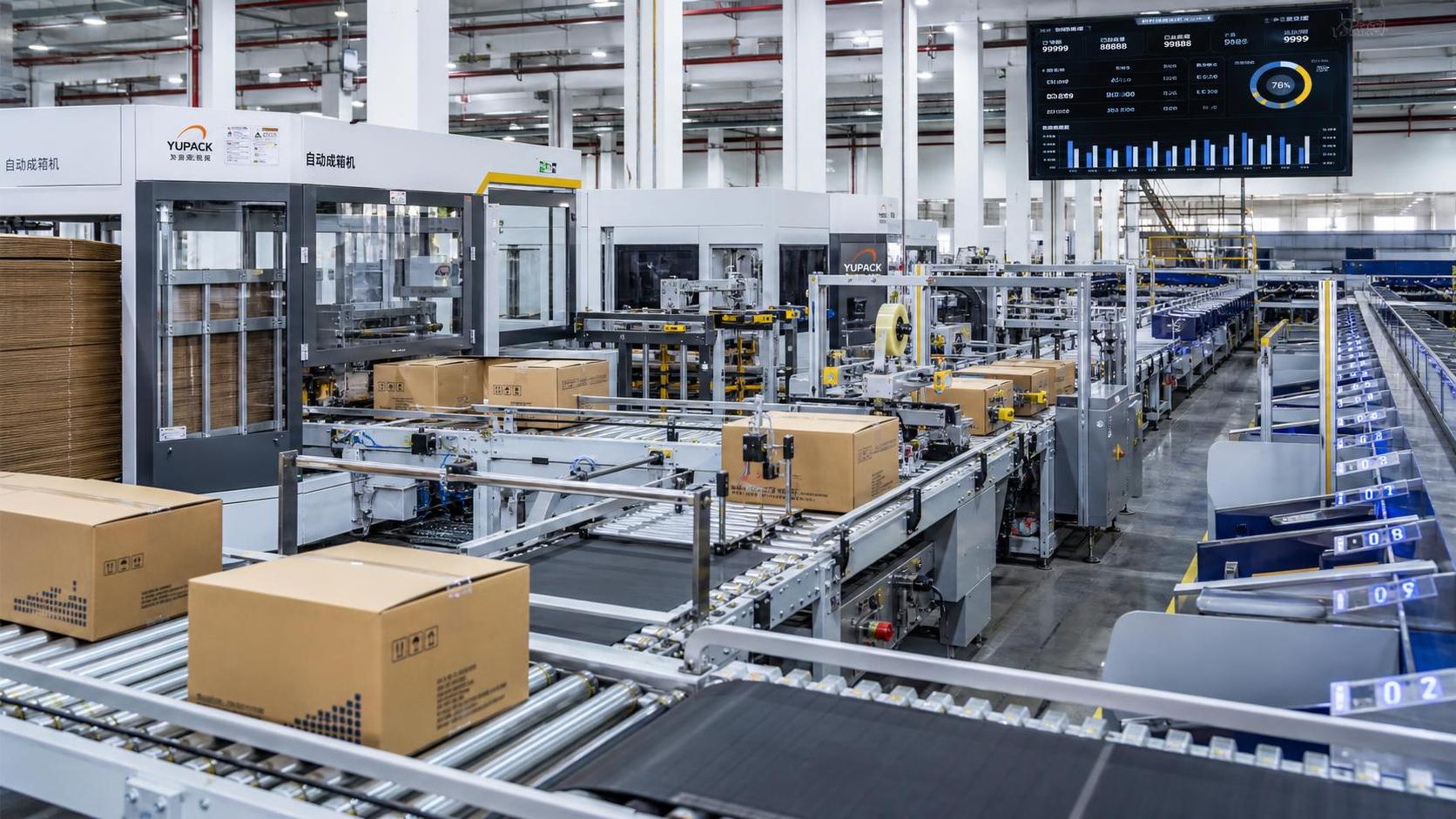
If you are comparing vendors or building an internal business case, the fastest way to misunderstand e commerce packaging systems cost is to treat it as an equipment-price question. In high-volume fulfillment, cost is usually driven by the interaction between throughput targets, box format complexity, material yield, labor exposure, uptime risk, and compliance pressure. A cheaper line can become the more expensive choice once you factor in waste, changeover delays, rework, and underperformance during peak periods.
That is why experienced buyers rarely ask only, “What does the machine cost?” They ask, “What will this system cost us per shipped order when volumes spike, SKU mix shifts, and sustainability requirements tighten?” That framing leads to better procurement decisions.
What actually moves e commerce packaging systems cost
At a practical level, total system cost in a large fulfillment environment comes from five buckets: capital investment, material consumption, labor, maintenance and downtime, and integration overhead. The reason evaluations become messy is that these buckets do not behave independently. A decision that reduces labor may increase corrugated usage. A line built for speed may create expensive bottlenecks downstream if gluing, printing, or scanning cannot keep up.
Here is the short answer many teams need early: the biggest cost drivers are not usually the base machine price, but packaging format variability, required throughput, board and consumable waste, automation level, and the cost of poor uptime. For operations shipping at scale, a few points of waste or a few minutes of stoppage per shift can outweigh a headline discount from the supplier.
That is also where packaging machinery knowledge matters. Systems tied to corrugated conversion, digital print, die-cutting, and folder-gluer performance need to be assessed as a production flow, not as isolated assets.
Throughput promises are expensive when they are incomplete
Many proposals look competitive because the rated speed is high. The trouble is that rated speed and sustained output are not the same thing. In e-commerce fulfillment, actual performance depends on changeover frequency, carton size range, print requirements, adhesive behavior, operator intervention, and upstream material consistency.
A line rated for impressive hourly output may still miss your economics if your order profile includes frequent size changes, short runs, personalized print, or fragile packs that need tighter process control. High-volume sites with broad SKU diversity often discover that “nameplate speed” matters less than stable output across mixed production.
When reviewing supplier quotes, ask for throughput under your likely operating conditions:
- Mixed box sizes rather than a single standard format
- Realistic stoppage assumptions
- Average changeover time by operator skill level
- Yield loss during startup and shift handover
- Performance under peak season volume
If a vendor cannot translate speed into cost per usable pack, you are still looking at a brochure, not a business case.
Material cost is often the silent majority
In large-scale packaging operations, corrugated and related consumables can dominate lifetime cost. This is where buyers sometimes focus too narrowly on machine sophistication and miss the larger spend. A system that uses slightly more board per pack, or produces more setup waste, can erase any capex savings surprisingly quickly.
Box-rightsizing capability, flute selection, conversion accuracy, and repeatable creasing all matter because they affect dimensional weight, protection performance, and usable yield. If your operation pays heavily for outbound parcel shipping, material choice is not just a packaging cost issue. It affects freight economics too.
For example, a fulfillment business shipping millions of parcels does not need dramatic waste to create a budget problem. Small inefficiencies repeated at that scale become structural cost. This is especially true when board prices are volatile or when FSC- or region-specific sourcing requirements narrow procurement flexibility.
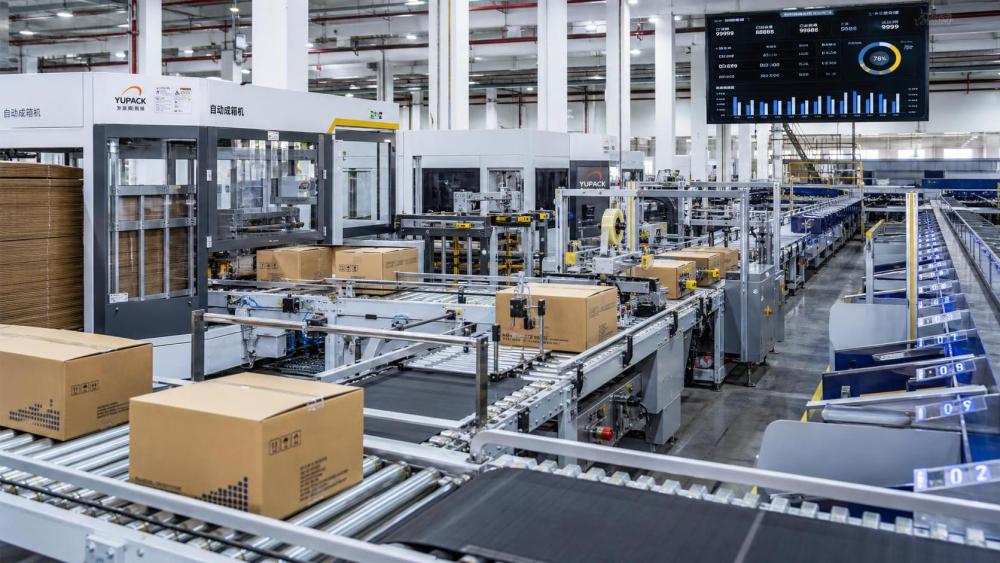
The better evaluation question is not “Can this line run our current box?” It is “How much corrugated, adhesive, ink, and dunnage will this system consume per acceptable shipment across our actual order mix?”
Format complexity changes the economics fast
There is a major difference between a system built for a narrow menu of standardized cartons and one designed for frequent variation. The second case usually carries higher engineering, controls, and integration cost. That does not make it overpriced. It may be exactly what the operation needs.
High-volume fulfillment is no longer only about plain brown boxes at uniform specs. Many operations now need branded outer packs, variable data printing, multi-depth configurations, returns-ready structures, or retail-ready secondary packaging. Once those requirements enter the picture, system cost moves beyond simple forming and sealing.
Digital print capability is a good example. It can reduce plate-related constraints and support shorter runs or customized graphics, but it also introduces printhead maintenance, substrate qualification work, data handling requirements, and operator training needs. In some environments, that flexibility pays back well. In others, especially where branding needs are limited and format stability is high, it may be unnecessary overhead.
This is one of the most common procurement mistakes: paying for flexibility that the site will rarely use, or rejecting flexibility that the business model will soon require.
Labor savings are real, but they are not automatic
Automation vendors often lead with labor reduction. Fair enough. Labor is expensive, staffing can be unstable, and repetitive pack-out work is hard to scale cleanly. But labor savings only materialize if the system is operable by the workforce you actually have.
A highly automated packaging line with frequent faults, difficult recipes, or demanding maintenance routines can shift labor rather than reduce it. You remove manual packing positions and add technicians, line babysitting, troubleshooting time, and more planned maintenance.
When business evaluators model labor savings, they should separate three things:
- Direct operator reduction
- Indirect labor created in maintenance, QA, and supervision
- Temporary labor exposure during peaks, training, and transition periods
That gives a more honest view of system economics. It also helps explain why two sites with the same equipment can report very different returns.
Downtime is where many “good deals” fail
In high-volume fulfillment, downtime does not just reduce output. It can trigger late dispatch penalties, backlog labor, expedited shipping, customer service load, and operational firefighting across shifts. That is why uptime risk deserves a bigger place in supplier comparison.
Look closely at wear parts, fault recovery design, adhesive system stability, dust handling, sensor reliability, and spare parts availability. Ask how the vendor supports remote diagnostics, software updates, and local service response. A lower initial quote becomes expensive quickly if critical parts have long lead times or if troubleshooting depends on overseas escalation.
For board-converting and post-press-intensive systems, process stability matters as much as mechanical build. Consistent web tension control, accurate cutting and creasing, and reliable folding-gluing behavior all influence whether the line produces sellable output or recurring waste. This is one reason buyers often use specialist intelligence sources such as IPPS when screening technologies and market direction. Not for slogans, but for a clearer read on where digital print, corrugation, post-press automation, and sustainable paper-based packaging are actually heading.
Integration cost is usually underestimated
Standalone machinery is one thing. A packaging system that must work inside a fulfillment operation is another. Integration with WMS, order data, print workflows, scanners, weigh-check stations, conveyors, labeling, and quality checkpoints can add significant cost and delay.
This is especially relevant when the packaging line must support variable data, automated box selection, or traceability. Software interfaces, controls harmonization, and acceptance testing often consume more time than first-time buyers expect. If the site runs legacy equipment or mixed-vendor automation, integration risk rises again.
Ask vendors to define clearly what is included in the proposal:
- Controls integration and middleware
- Commissioning scope
- SAT/FAT criteria
- Operator and maintenance training
- Cybersecurity and data interface responsibility
- Performance guarantee conditions
A quote that looks cheaper because it excludes these items is not cheaper. It is simply incomplete.
Sustainability and compliance now affect cost structure
For many buyers, sustainability is no longer a branding layer sitting outside procurement. It affects material selection, machine suitability, reporting burden, and supplier qualification. If your packaging strategy is moving toward lighter board grades, recyclable mono-material designs, reduced plastic content, or stricter chain-of-custody requirements, system cost needs to be tested against those future conditions.
Some equipment handles substrate variation better than others. Some adhesive setups are more forgiving. Some print and converting configurations are easier to adapt when compliance or retailer packaging rules change. If your operation expects pressure from EUDR, FSC-related sourcing controls, or customer packaging scorecards, the cheapest current-state option may create avoidable retrofit cost later. Exact requirements should always be verified against official rules and customer standards.
How experienced buyers compare suppliers
The strongest evaluations usually avoid broad promises and move quickly to scenario testing. Instead of comparing three vendors on generic features, compare them on the same operating model: expected daily order volume, SKU diversity, target carton range, print needs, labor assumptions, maintenance resources, and uptime threshold.
Then push each supplier to answer a harder set of questions:
- What is the expected cost per shipped pack at our forecast volume?
- Where does waste usually occur on similar lines?
- What operator skill level is assumed in your output model?
- How does the system behave during frequent size changes?
- What happens if we add branded or variable-data printing later?
- Which consumables are locked to your ecosystem?
You are trying to expose cost sensitivity, not just compare machine specifications.
It also helps to distinguish between suitable and unsuitable cases. A highly automated, integrated packaging platform makes sense when volume is high, order flow is steady enough to justify engineering, and labor or shipping savings are measurable. It is harder to justify when demand is volatile, packaging formats are still being redesigned, or internal technical support is thin. In those cases, modular upgrades or semi-automated steps may produce a cleaner return.
Where buyers get trapped
Three traps show up repeatedly.
First, buying for peak speed instead of average operational economics. Second, approving a system based on labor savings while ignoring material and downtime cost. Third, assuming the supplier’s standard configuration will fit a fulfillment profile that actually has high variability.
There is also a quieter trap: using a payback model that is too tidy. Real packaging lines have ramp-up periods. They have operator learning curves. They have weeks where actual order mix is inconvenient. If your ROI only works under perfect utilization, it is fragile.
The practical way to estimate e commerce packaging systems cost
A useful model starts with unit economics, not capex alone. Estimate cost per acceptable packaged order by combining material usage, direct and indirect labor, expected waste, maintenance, consumables, depreciation or lease cost, and downtime exposure. Then test that number under three scenarios: baseline volume, peak volume, and mixed-SKU stress conditions.
That approach gives procurement teams something more durable than a vendor claim. It also makes internal approval easier because finance, operations, and engineering can see the same assumptions.
Near the end of most serious evaluations, the discussion comes back to the same point: e commerce packaging systems cost is really the cost of packaging reliability at scale. Buyers who understand that tend to make better long-term decisions than those who chase the lowest quote.
FAQ
Is the lowest-capex packaging system ever the best choice for high-volume fulfillment?
Sometimes, but only when packaging formats are stable, labor is available, and downtime risk is low. In mixed, fast-moving operations, lowest capex often loses on total cost.
What cost driver is most often underestimated?
Material waste and uptime loss. Both can quietly outweigh headline savings, especially in large parcel volumes.
Should digital printing be included in the initial packaging system scope?
Only if branding flexibility, short-run variation, or variable data are part of the operating model. If not, it may be better planned as a later option.
How should procurement compare two systems with very different automation levels?
Use the same cost-per-shipped-order model, then stress-test labor assumptions, changeover performance, and maintenance support under real operating scenarios.
Image Placeholder List
Suggested placement: near the section discussing material cost and system-wide cost drivers.
Suggested image content: a high-volume packaging line showing corrugated feed, box forming, print, and packing stages with cost-driver callouts.
Suggested alt text: “Key cost drivers in a high-volume e-commerce packaging system.”
Internal Link Anchor Text Suggestions
- corrugated board line selection criteria: guide or category page about corrugator and board-forming systems
- digital printing for corrugated packaging: analysis page on print technologies and use cases
- folder gluer performance in carton production: technical article or product cluster page
- packaging automation ROI calculation: resource page or decision guide
- sustainable paper-based packaging compliance trends: insights page on FSC, EUDR, and material strategy
External Authority Source Suggestions
- industry association reports covering corrugated packaging, fulfillment automation, and paper-based packaging trends
- government or regulatory agency pages covering packaging waste, recycling, and sourcing compliance requirements
- official technical documentation from major machinery or printhead manufacturers for performance and maintenance benchmarks
Industry Briefing
Get the top 5 industry headlines delivered to your inbox every morning.
Recommended News