
GPPE Indonesia 2026 Opens in Jakarta: Tissue Packaging Lines Drive Procurement Demand
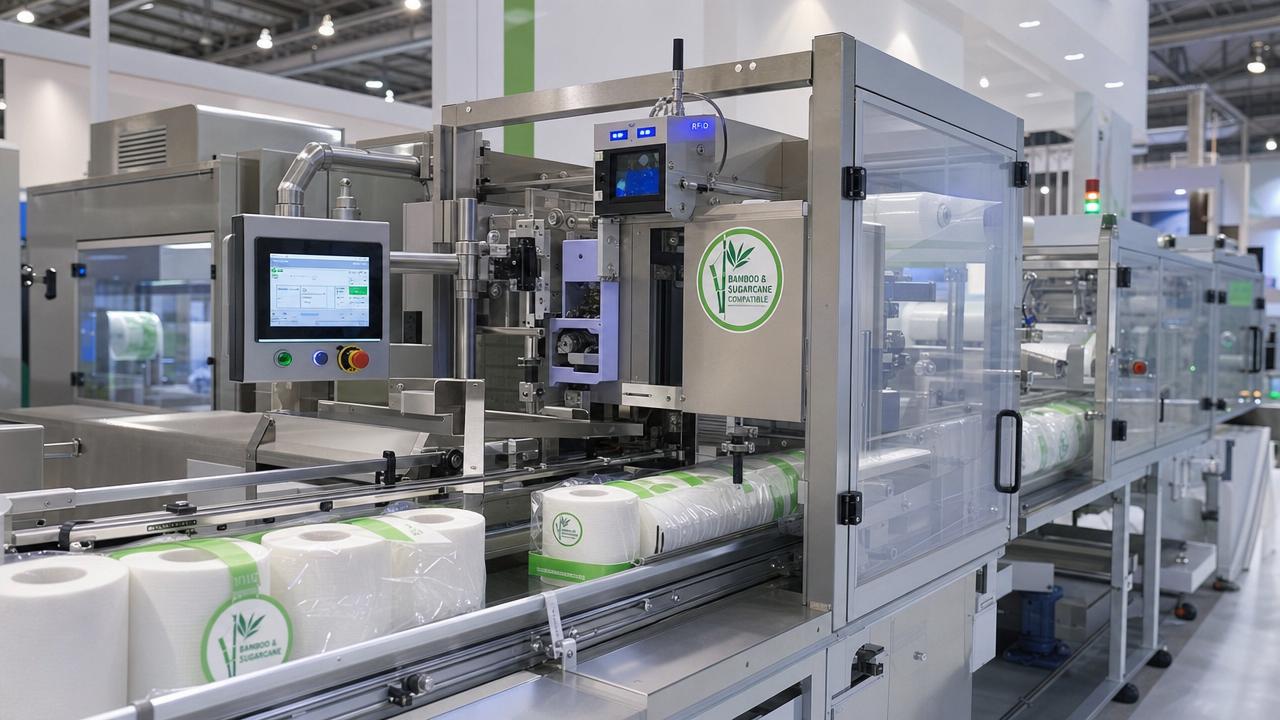
The Global Printing & Packaging Expo (GPPE) Indonesia 2026 officially opened on May 26, 2026, in Jakarta, drawing procurement delegations from over 30 countries. The event signals a pivotal shift in Southeast Asian packaging equipment demand—driven by tightening regulatory requirements, sustainability mandates, and rapid modernization of hygiene product manufacturing infrastructure.
Event Facts: GPPE Jakarta 2026 Launches Amid Strong International Attendance
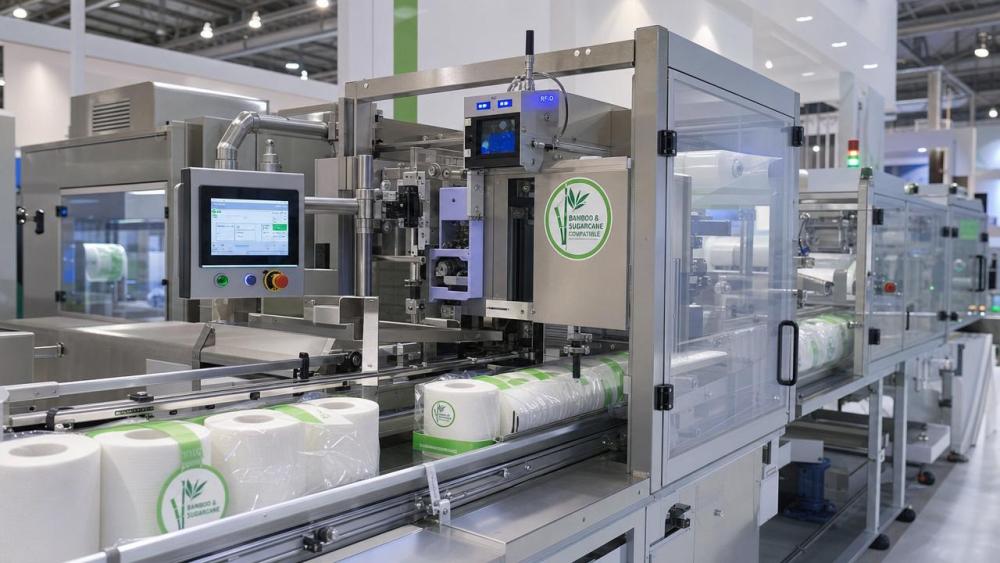
The Global Printing & Packaging Expo (GPPE) Indonesia 2026 commenced on May 26, 2026, in Jakarta. Over 30 countries were represented by procurement professionals. According to organizers, automated tissue packaging lines emerged as one of the top procurement categories at the show. Buyers specifically sought models equipped with RFID traceability, compatibility with bamboo- and sugarcane-based pulp substrates, and compliance with the latest Indonesian Food and Drug Authority (BPOM) regulatory requirements. Chinese equipment suppliers engaged in in-depth discussions with more than 200 regional distributors on-site.
Industry Impact Across Supply Chain Roles
Direct Exporters and Trading Firms
These firms face heightened technical prequalification demands. BPOM-aligned specifications and RFID integration are now de facto prerequisites for tender eligibility—not optional features. Product documentation must reflect conformity with local regulatory interpretation, not just international standards.
Raw Material Sourcing Companies
Suppliers of specialty pulp (e.g., bamboo or bagasse fiber) are experiencing increased downstream coordination needs. Equipment buyers now require formal validation that their packaging lines can process these alternative substrates without performance degradation—making material certification and joint testing protocols essential.
Equipment Manufacturers and Integrators
Manufacturers must adapt production and engineering workflows to embed BPOM-compliant control logic, data logging, and traceability architecture early in design. Retrofitting legacy systems for RFID-enabled batch tracking and regulatory audit readiness is no longer a post-sale service—it’s a built-in requirement.
Logistics and After-Sales Service Providers
Service networks must now support remote diagnostics compatible with BPOM-mandated data retention timelines. Spare parts inventories need alignment with substrate-specific wear profiles (e.g., higher abrasion resistance for fibrous biopulps), and field technicians require updated training on BPOM-relevant calibration and validation procedures.
Key Compliance and Operational Priorities for Suppliers
BPOM Regulatory Alignment Beyond CE or ISO Certification
BPOM’s updated technical requirements for packaging machinery—including traceability architecture, material contact safety, and operational documentation—cannot be assumed covered by generic CE marking or ISO 9001/14001. Suppliers must conduct targeted gap assessments against BPOM’s latest guidance documents before market entry.
Substrate Compatibility Validation and Documentation
Claims of compatibility with bamboo or sugarcane pulp must be substantiated with test reports under representative operating conditions—not just lab-scale trials. Documentation should include feed consistency ranges, tension tolerance, and seal integrity metrics across varying moisture contents.
RFID Integration Architecture and Data Governance
RFID functionality must meet BPOM’s minimum traceability scope: lot-level identification, real-time production timestamping, and exportable audit logs. Suppliers must clarify data ownership, retention duration (aligned with BPOM’s 5-year recordkeeping norm), and interoperability with common ERP/MES platforms used by Indonesian converters.
Distributor Qualification and Technical Support Capacity
With over 200 distributor engagements reported, supplier due diligence must extend beyond commercial terms to assess partners’ ability to deliver BPOM-aligned commissioning, operator training, and regulatory documentation handover—especially for end-user BPOM registration support.
Analysis: A Regulatory Threshold Shift in ASEAN Packaging Markets
Analysis shows that GPPE 2026 reflects more than a trade show trend—it marks an inflection point where regulatory compliance transitions from a post-purchase administrative step to a core product specification. What deserves closer attention is how BPOM’s evolving stance on traceability and sustainable substrate handling is setting a precedent likely to influence neighboring ASEAN markets, including Vietnam and Thailand, where similar regulatory upgrades are under consultation. From an industry perspective, this implies longer qualification cycles, higher upfront engineering investment, and greater emphasis on collaborative validation between equipment makers and raw material suppliers—not just hardware delivery.
Strategic Implications for Global Packaging Equipment Suppliers
This event underscores that success in emerging Southeast Asian markets increasingly hinges on integrated regulatory readiness—not just mechanical performance. Suppliers who treat BPOM compliance as a modular add-on risk losing competitive advantage to those embedding traceability, substrate flexibility, and audit-ready documentation into baseline product architecture. The takeaway is not urgency—but intentionality: building for regulatory evolution, not just current specs.
Source Information and Ongoing Monitoring Guidance
This article is based solely on the user-provided information: title, event date (May 26, 2026), and event summary. Specific official source links were not provided in the input and should be verified continuously. Stakeholders are advised to monitor forthcoming BPOM technical circulars on packaging machinery, updates to the Indonesian National Standard (SNI) for hygiene product manufacturing equipment, and tender announcements from major regional tissue converters—all of which may clarify implementation timelines, testing methodologies, and enforcement expectations.
Industry Briefing
Get the top 5 industry headlines delivered to your inbox every morning.
Recommended News