
Printing Equipment Standards Comparison: What Actually Matters in Compliance
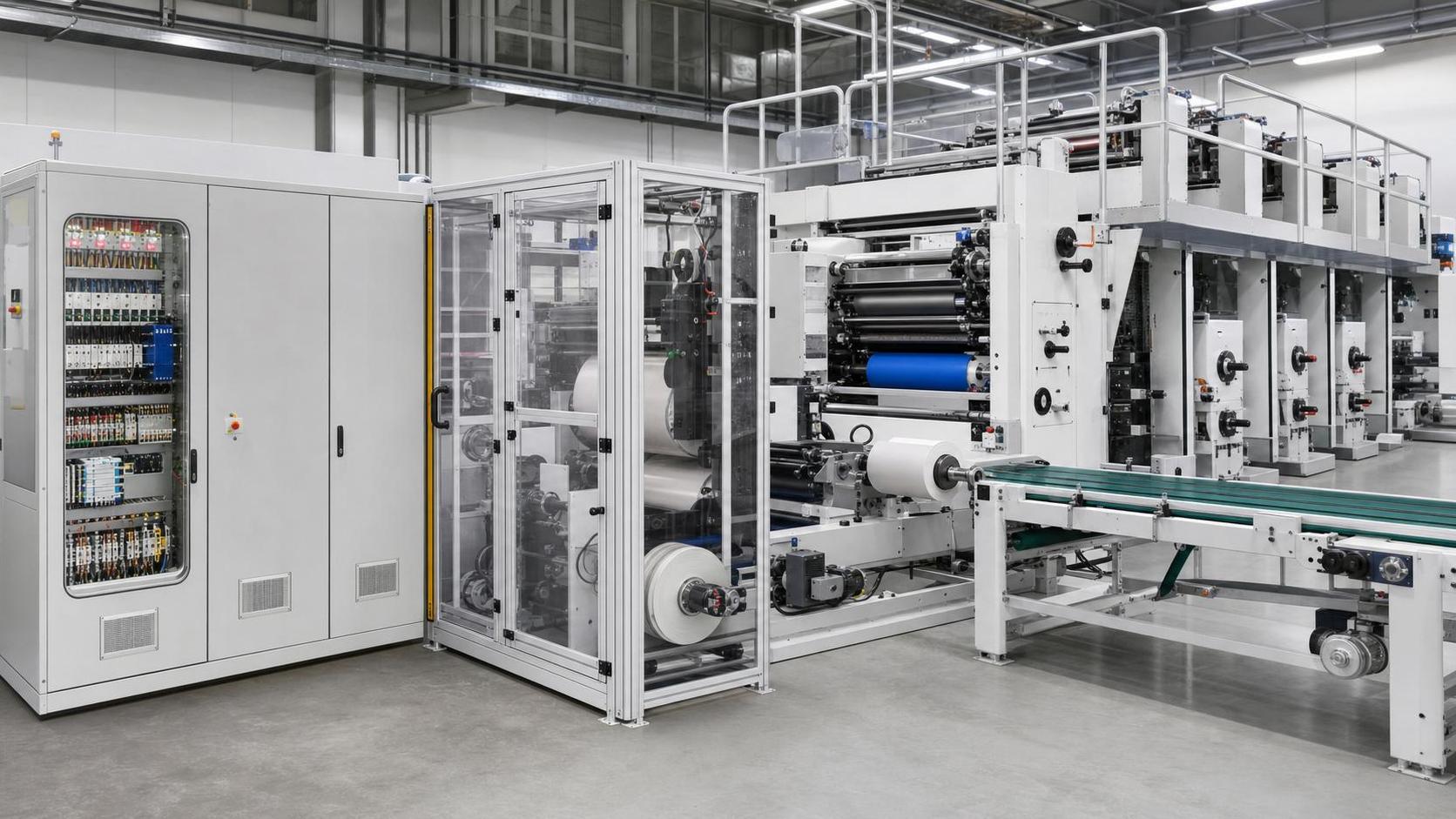
Why does a printing equipment standards comparison matter beyond certification?
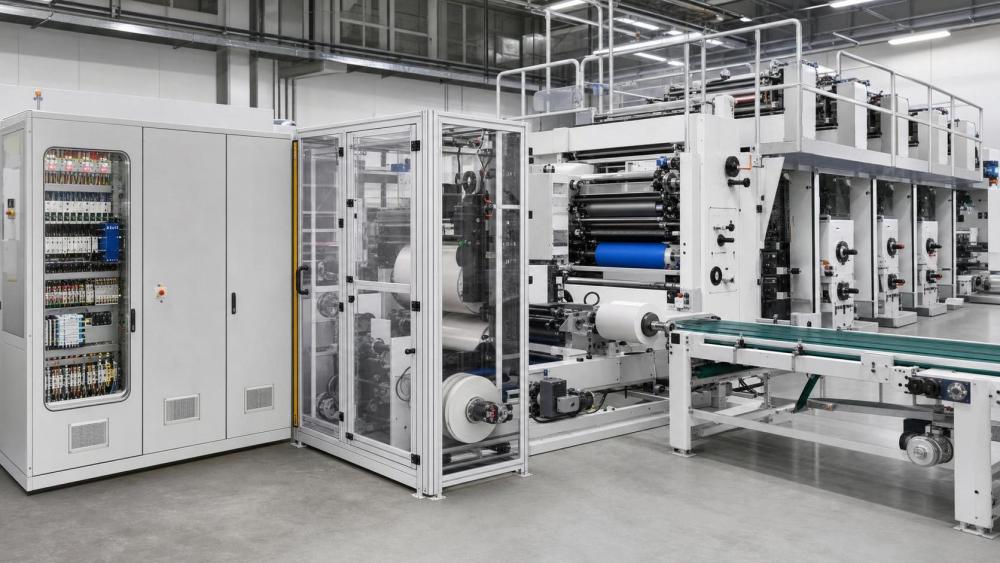
A useful printing equipment standards comparison is not about collecting logos for a brochure.
What matters is whether a standard protects operators, stabilizes print quality, reduces stoppages, and clears the path for shipment across regions.
That distinction becomes critical in digital printers, corrugated lines, die-cutters, folder gluers, and tissue systems, where one compliance gap can become a safety event or customs delay.
In practice, the best printing equipment standards comparison starts with machine behavior.
Does the guarding work at speed?
Can tension stay stable through substrate changes?
Will electrical documentation support commissioning in another market?
IPPS tracks these questions across paper-based manufacturing because compliance is tied to real production physics.
High-speed inkjet systems depend on precise data flow and droplet control.
Corrugators rely on heat, steam, and web tension.
Post-press equipment adds moving knives, glue systems, embossing units, and hot areas that standards must address clearly.
So the real question is not, “Is the machine compliant?”
It is, “Compliant with what, for which market, and with what evidence?”
Which standards usually deserve attention first?
A printing equipment standards comparison often gets crowded fast.
There are machine safety rules, electrical requirements, environmental directives, material declarations, and buyer-specific audit conditions.
A practical filter is to rank standards by operational consequence.
For most equipment, machine safety and electrical safety are the first gate.
Without them, higher-level claims about productivity or sustainability do not carry much value.
The next layer depends on process sensitivity.
A single-pass digital printer may need stronger focus on EMC and data integrity.
A corrugated line may require deeper review of drive coordination, guarding along long transport zones, and steam-related controls.
Are CE, UL, ISO, and local rules interchangeable?
This is one of the most common misunderstandings in any printing equipment standards comparison.
They are related, but they are not interchangeable.
CE marking is mainly a market access framework for the European Economic Area.
It usually pulls in machinery, low-voltage, EMC, and sometimes other directive obligations.
UL is different.
It often relates to product safety evaluation and acceptance expectations in North America, especially for electrical panels and components.
ISO standards usually provide management or technical frameworks.
They can support design discipline, quality systems, and traceability, but they do not automatically replace machine-specific legal duties.
More importantly, local rules can override assumptions made during export planning.
A folder gluer cleared for one region may still need revised panel components, labels, language, or lockout provisions elsewhere.
That is why a careful printing equipment standards comparison always maps standards to destination markets, not just machine categories.
- Use CE to check legal conformity for Europe.
- Use UL-related requirements to confirm electrical acceptance needs in North America.
- Use ISO-based systems to strengthen documentation, audits, and repeatability.
- Always verify country-specific deviations before shipment.
How do standards affect print consistency, uptime, and waste?
Compliance is often treated as separate from production efficiency, but the two are closely linked.
A strong printing equipment standards comparison should show where the link becomes visible on the floor.
Take digital printing first.
If EMC control is weak, printhead timing and data transmission can drift.
The result may look like banding, nozzle misfire patterns, or intermittent registration issues.
On a corrugated line, poor guarding design can slow operator intervention during jam recovery.
That increases downtime even when the machine remains technically compliant.
For die-cutting and folder gluing, functional safety choices matter because they shape restart behavior after door openings or fault resets.
If restart logic is clumsy, waste rises during short runs and changeovers.
In tissue processing, hygienic design, guarding access, and servo synchronization can influence both safety and output consistency.
IPPS often frames this through system interactions rather than isolated parts.
Tension control, glue response curves, droplet placement, and rewinder decoupling all depend on stable controls and disciplined engineering documentation.
So when reviewing a printing equipment standards comparison, ask a simple follow-up question.
Which standard-backed design choices reduce defects and unplanned stops?
That is where compliance becomes operational value.
What documentation should be checked before approval or delivery?
Many delays happen because paperwork is reviewed too late.
The machine may run well during factory acceptance, yet still fail handover because technical files are incomplete.
A disciplined printing equipment standards comparison should therefore include a document review stage.
The most useful files are rarely the most decorative ones.
- Risk assessment with hazard zones, residual risks, and mitigation logic
- Electrical schematics matching the built machine revision
- Safety circuit validation and stopping performance records
- Operating manuals with maintenance steps and lockout guidance
- Spare parts lists linked to approved components
- Declarations, test reports, and destination-market labels
Need a fast judgment rule?
If the file set cannot explain how the machine fails safely, restarts safely, and gets serviced safely, the review is incomplete.
This matters even more for exported equipment used in green packaging, personalized FMCG packaging, and automated tissue converting, where multinational acceptance checks are now stricter.
Where do teams usually misread a printing equipment standards comparison?
The first mistake is treating every standard as equally important.
Some are foundational.
Some are conditional.
Some only matter because a customer, insurer, or destination authority asks for them.
The second mistake is trusting component approvals as proof of whole-machine compliance.
A certified motor or relay does not guarantee that the integrated line is compliant.
The third mistake is separating safety from process engineering.
In real operations, web tension, dryer heat, glue application, vacuum transport, and knife motion all interact with safety design.
Another frequent issue is ignoring sustainability-linked documentation.
As paper replaces plastic in more markets, buyers increasingly look for traceability support tied to FSC, EUDR, and material declarations.
That does not replace core safety review, but it can affect tender success and cross-border delivery.
A better approach is to score standards by risk, operational impact, and market dependency.
That keeps the printing equipment standards comparison practical instead of theoretical.
What is a sensible next step when comparing compliant equipment?
Start by narrowing the comparison to the machine type, destination market, and process risk.
A digital press, corrugator, die-cutter, folder gluer, and tissue rewinder will not carry the same compliance profile.
Then build a short review sheet that asks four things.
- Which standards are legally required for the target market?
- Which standards directly affect uptime, quality, or operator exposure?
- Which claims are backed by test reports and current drawings?
- Which gaps could delay installation, audit approval, or shipment?
That is usually enough to separate meaningful compliance from surface-level claims.
The most reliable printing equipment standards comparison is the one that connects standards to machine behavior, documentation quality, and delivery reality.
When those three line up, approval gets faster, startup gets smoother, and the risk of expensive surprises drops sharply.
For ongoing review, keep tracking changes in export rules, electrical acceptance practices, and paper-based sustainability thresholds, because compliance in this sector rarely stands still.
Industry Briefing
Get the top 5 industry headlines delivered to your inbox every morning.
Recommended News