
How to Evaluate a Packaging Finishing Equipment Manufacturer Before Ordering
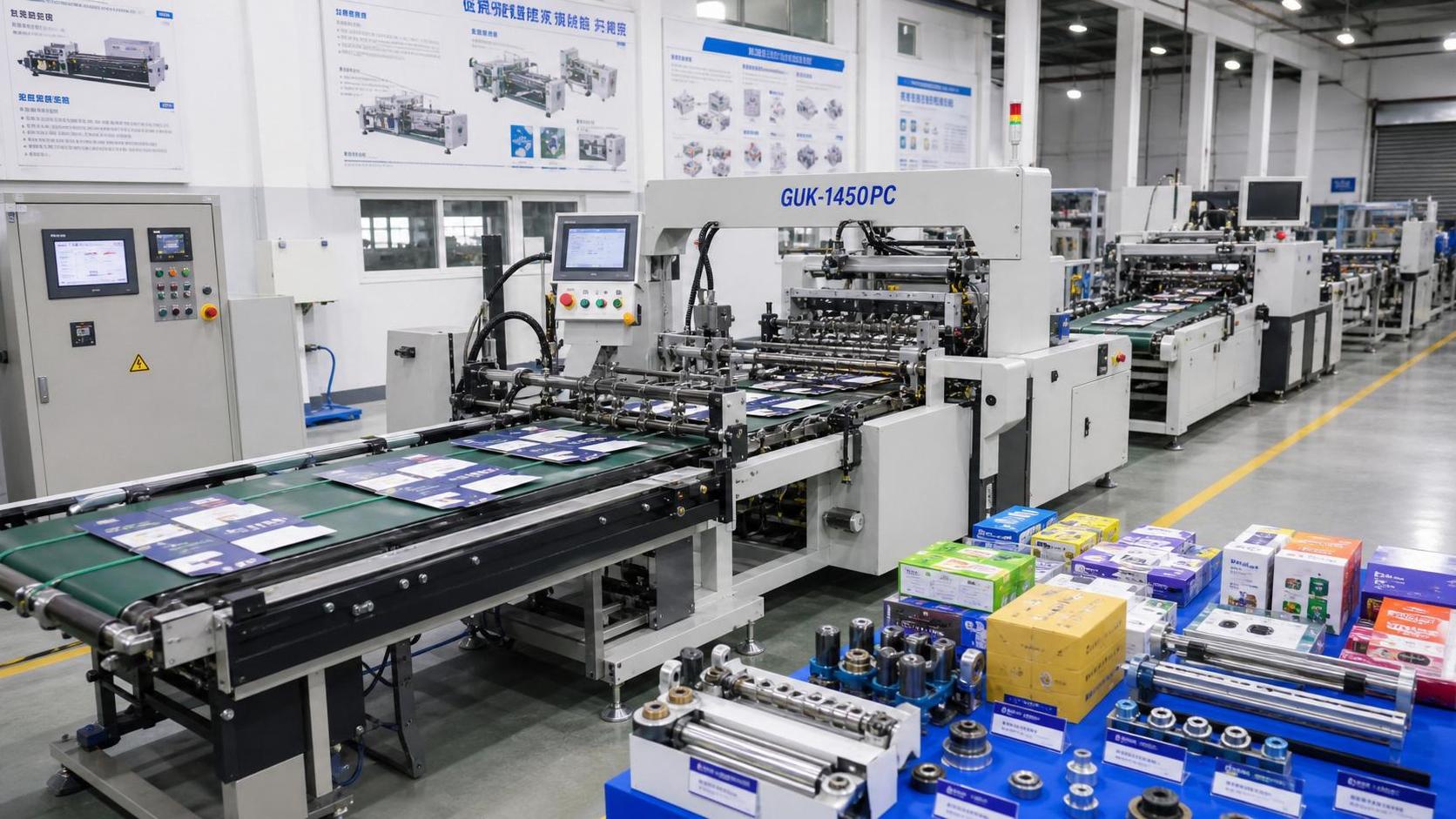
How to Evaluate a Packaging Finishing Equipment Manufacturer Before Ordering
Choosing the right packaging finishing equipment manufacturer can directly affect production efficiency, print quality, maintenance costs, and delivery reliability.
For sourcing decisions, price is only one factor.
A weak supplier can create downtime, waste, unstable output, and expensive service delays.
A capable packaging finishing equipment manufacturer supports stable production for years.
This guide explains how to assess technical fit, factory strength, service quality, and total business risk before placing an order.
Start With Application Fit, Not Supplier Claims
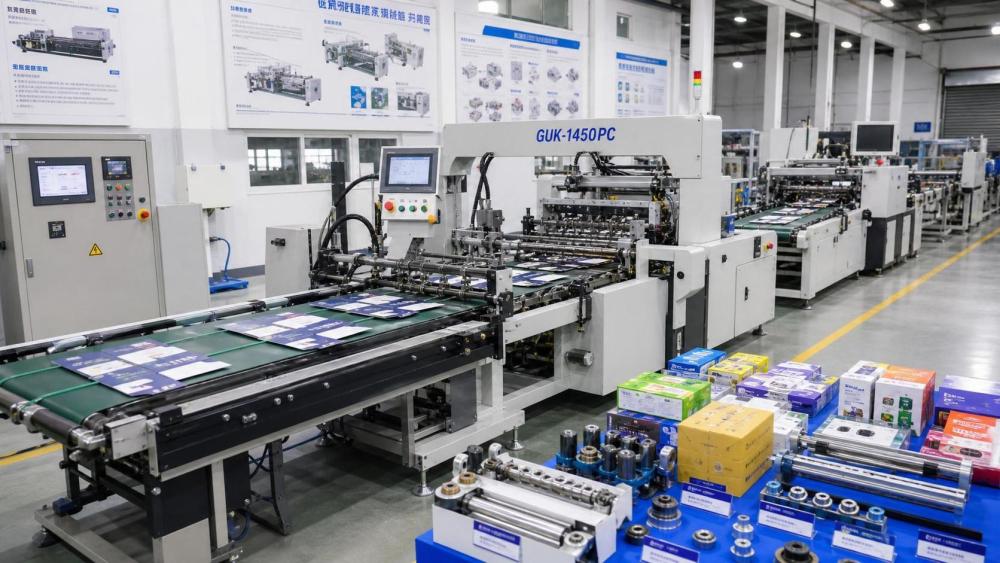
The first test is simple.
Can the packaging finishing equipment manufacturer handle your real products, materials, and output targets?
Many suppliers look strong in brochures.
The real question is whether their machine platform matches your carton styles, substrates, glue systems, and changeover frequency.
In practical terms, define your production profile before contacting vendors.
- Box types, board grades, flute profiles, and finishing complexity
- Target speed, shift pattern, and monthly volume
- Tolerance requirements for folding, gluing, cutting, or stamping
- Future needs such as shorter runs or more SKU variation
This baseline prevents a common mistake.
Buying a machine built for standard jobs when your business depends on fast switching and mixed-order flexibility.
A reliable packaging finishing equipment manufacturer should ask detailed process questions early.
If the discussion stays at catalog level, that is already a warning sign.
Check Technical Depth Behind the Machine
A serious packaging finishing equipment manufacturer should explain more than headline speed.
You need to understand how that speed is maintained under real production conditions.
Focus on engineering details that affect output consistency.
Key points to verify
- Feeding stability across light, warped, or coated sheets
- Registration accuracy at full operating speed
- Glue control, compression time, and bond consistency
- Tooling compatibility and setup repeatability
- Control system brand, software logic, and fault diagnostics
- Waste rates during startup, switching, and long runs
This matters even more in premium packaging or retail-ready corrugated work.
Small registration drift or glue variation can quickly become rejected output.
Ask the packaging finishing equipment manufacturer for sample videos, live trials, and tolerance data.
Do not accept only ideal-case demonstrations using easy materials.
From a risk perspective, difficult samples reveal more than polished presentations.
Assess Factory Capability and Supply Chain Stability
The next step is checking whether the manufacturer can deliver consistently.
A packaging finishing equipment manufacturer may design good equipment but still struggle with lead time or quality control.
Look at the production system behind the machine.
- Factory size and process flow
- In-house machining versus outsourced critical parts
- Inspection records for frames, rollers, drives, and electrical assemblies
- Supplier quality management for motors, PLCs, sensors, and bearings
- Current backlog and realistic delivery commitment
A site visit is ideal.
If that is not possible, request a structured video audit covering workshops, assembly areas, testing lines, and spare parts inventory.
More importantly, ask who owns the key process know-how.
A mature packaging finishing equipment manufacturer usually has stable engineering, commissioning, and service teams.
That stability often predicts better installation quality and fewer post-delivery surprises.
Review Customization and Integration Ability
Packaging lines rarely work as isolated units.
A packaging finishing equipment manufacturer should fit into your upstream and downstream workflow.
That includes print systems, conveyors, stackers, inspection devices, and data interfaces.
Questions worth asking
- Can the machine connect to existing production lines?
- Are layout changes needed in power, air, or material flow?
- Can the supplier adjust modules for future formats or automation upgrades?
- What data can be exported for OEE, maintenance, and quality tracking?
This is where experienced suppliers stand out.
They understand not only machine mechanics, but also plant constraints and process bottlenecks.
In recent market shifts, packaging buyers increasingly want flexible lines that support shorter runs and sustainable materials.
That means the packaging finishing equipment manufacturer should be comfortable with adaptation, not only standard builds.
Examine Service, Training, and Spare Parts Support
After-sales support often decides whether a project succeeds.
A low-price machine becomes expensive when downtime stretches for days.
So evaluate the service model with the same discipline used for technical review.
- Installation timeline and commissioning scope
- Operator and maintenance training depth
- Remote support hours and response speed
- Spare parts stocking policy and shipment lead time
- Warranty limits and excluded failure categories
A dependable packaging finishing equipment manufacturer should provide a clear service matrix.
You should know exactly who responds, how fast they act, and what parts are locally available.
Reference calls help here.
Ask current users whether promised support actually happened during breakdowns, not just during installation.
Compare Total Cost, Not Just Quotation Price
Two offers may look similar on paper but differ sharply in operating cost.
This is why a full cost model matters.
A strong packaging finishing equipment manufacturer will usually defend value with data.
That may include output per shift, lower waste, quicker changeovers, or better uptime.
When a supplier cannot quantify these points, the price advantage may be misleading.
Validate Compliance, References, and Commercial Terms
The final decision should include legal and commercial checks.
A packaging finishing equipment manufacturer must meet your market’s safety, electrical, and documentation requirements.
Verify certifications carefully, especially if export projects are involved.
Then review references from similar applications.
A supplier serving folding carton may not automatically suit heavy-duty corrugated or luxury finishing.
Commercial terms also deserve close attention.
- Payment milestones tied to actual acceptance points
- Factory acceptance test and site acceptance test criteria
- Penalty clauses for major delivery delays
- Responsibility for installation conditions and hidden costs
This step turns a technical evaluation into a workable purchasing decision.
A Practical Shortlist Before You Order
Before issuing the final purchase order, compare each packaging finishing equipment manufacturer against one simple checklist.
- Proven fit for your material, format, and volume
- Documented technical performance under realistic test conditions
- Stable factory operations and reliable component sourcing
- Real customization and integration capability
- Responsive after-sales service with spare parts visibility
- Competitive lifecycle cost, not just attractive pricing
- Clear compliance status, references, and enforceable contract terms
The best packaging finishing equipment manufacturer is rarely the one with the lowest quote.
It is the one that reduces production risk and supports long-term output quality.
When the evaluation is structured, the ordering decision becomes faster, clearer, and easier to defend internally.
That is the real value of choosing the right packaging finishing equipment manufacturer before ordering.
Industry Briefing
Get the top 5 industry headlines delivered to your inbox every morning.
Recommended News