
Paper Packaging Solutions for Retail: Balancing Shelf Appeal and Cost
Paper Packaging Solutions for Retail: Balancing Shelf Appeal and Cost
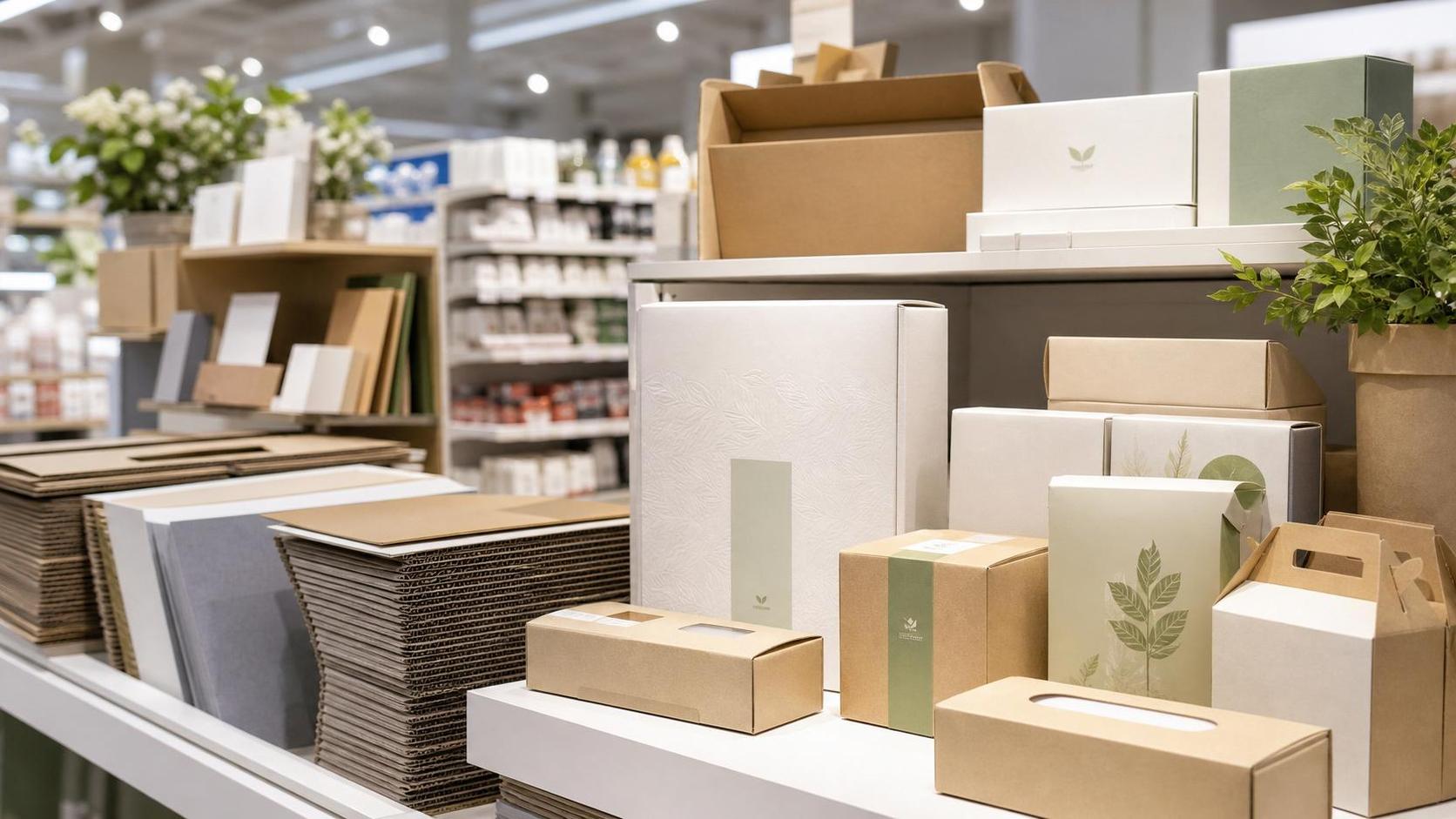
In retail, packaging must do two jobs at once: win attention on crowded shelves and protect margins in competitive markets.
Effective paper packaging solutions for retail help brands balance visual impact, structural performance, sustainability, and unit cost without compromising speed to market.
For decision-makers, the challenge is no longer choosing between appeal and efficiency, but finding smarter systems that deliver both.
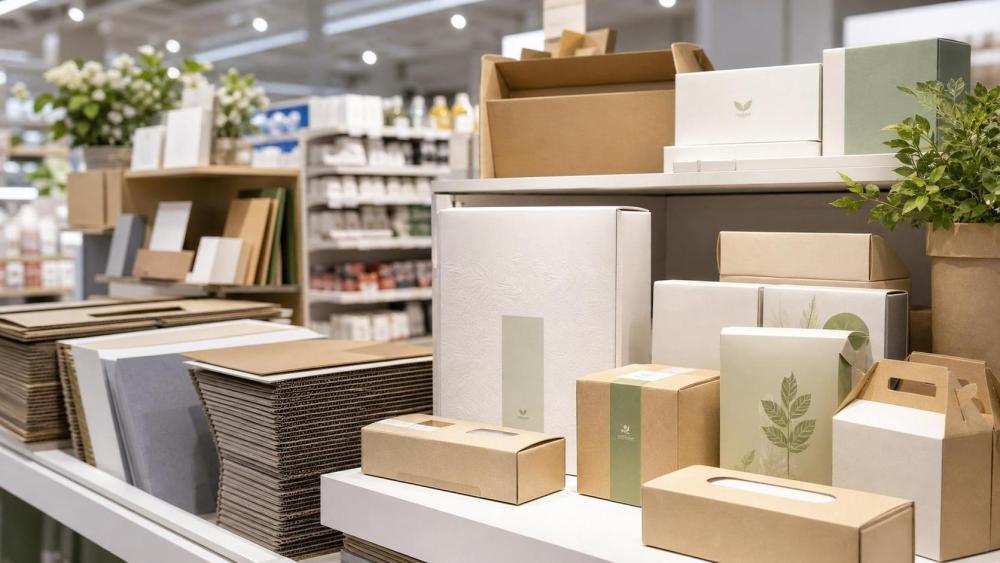
That shift matters because shelf competition is getting tighter, while material, freight, and labor costs remain difficult to predict.
At the same time, retailers want packaging that supports branding, logistics, compliance, and sustainability goals in one format.
The most effective paper packaging solutions for retail now combine print flexibility, structural precision, and production discipline across the full packaging workflow.
Why Retail Packaging Decisions Have Become More Complex
A few years ago, many brands evaluated packaging mainly through appearance and basic cost per unit.
That is no longer enough. Packaging now affects sell-through, replenishment efficiency, e-commerce readiness, and environmental reporting.
From a retail operations view, paper packaging solutions for retail must support several priorities at once:
- High shelf visibility in crowded categories
- Reliable protection through handling and transport
- Fast changeovers for seasonal or regional designs
- Controlled material usage and total packaging cost
- Compliance with retailer and sustainability requirements
This is where many packaging programs fail. Teams optimize one metric and unintentionally weaken another.
A glossy finish may look premium, but it can add cost, slow production, or complicate recycling depending on the specification.
What Strong Paper Packaging Solutions for Retail Actually Look Like
The strongest programs are built around systems thinking, not isolated packaging decisions.
In practice, that means aligning graphics, substrate choice, box geometry, converting method, and fulfillment conditions from the start.
Well-designed paper packaging solutions for retail usually include five core elements.
1. Print that supports fast commercial response
Digital printing has changed what is possible for retail packaging.
Brands can now run shorter batches, localize artwork, and test variants without the long setup burden of traditional workflows.
This matters in categories driven by promotions, new product launches, or frequent SKU refreshes.
2. Board structures matched to retail reality
Shelf-ready cartons, folding cartons, and micro-corrugated formats all behave differently in stores and distribution networks.
The right caliper or flute profile can reduce damage, support stacking, and limit overengineering.
That is often where hidden savings come from.
3. Precise converting and finishing
Die-cutting, creasing, stamping, and folding quality directly affect appearance and machine performance at packing lines.
Poor tolerances create jams, weak corners, and inconsistent shelf presentation.
4. Cost visibility beyond the material price
The lowest board price does not always mean the lowest total cost.
Waste, setup time, transport cube, damage rates, and line speed often matter more than buyers expect.
5. Clear sustainability logic
Retailers increasingly ask for recyclable, lightweight, and responsibly sourced packaging with traceable documentation.
Good paper packaging solutions for retail treat this as a design input, not a late-stage correction.
How to Balance Shelf Appeal and Cost Without Guesswork
Retail packaging decisions improve quickly when teams use a practical sequence instead of debating aesthetics in isolation.
A workable model looks like this.
- Define the retail environment, including shelf format, facing width, and handling conditions.
- Set visual priorities, such as color strength, premium cues, or promotional flexibility.
- Choose board and structure based on protection needs and logistics performance.
- Test converting compatibility with die-cutting, gluing, and packing operations.
- Measure total cost, not just material spend.
This approach turns paper packaging solutions for retail into a business decision framework, not a creative-only exercise.
It also reduces late revisions, which are one of the biggest cost leaks in packaging programs.
A simple comparison model
In actual business use, this shift usually delivers better consistency and fewer trade-offs than teams expect.
Where Technology Makes the Biggest Difference
The next gains in paper packaging solutions for retail are increasingly coming from process technology, not only material substitution.
That is especially clear in four areas closely tracked by IPPS.
Industrial digital printers
High-speed inkjet platforms enable versioning, rapid prototyping, and cleaner transitions between campaigns.
For retail brands, that shortens response time and limits obsolete packaging inventory.
Corrugated board lines
Better tension control and flute consistency improve board strength while supporting lightweighting strategies.
That balance is central when retail packaging must look sharp yet move efficiently through logistics.
Die-cutting and finishing systems
Accurate cuts, stable creases, and premium finishing details can elevate shelf impact without forcing a full redesign.
Small finishing improvements often create a stronger consumer impression than expensive board upgrades.
Automatic folder gluers
Reliable folding and bonding improve output stability, carton integrity, and labor efficiency.
For paper packaging solutions for retail, this is often where design intent either survives production or gets diluted.
Common Risks That Raise Cost or Weaken Shelf Impact
Many retail packaging projects miss targets for reasons that are avoidable.
The most common issues include:
- Over-specifying board grades for perceived safety
- Ignoring print performance on corrugated or textured surfaces
- Adding costly finishes with little visible retail benefit
- Choosing structures that slow filling or packing lines
- Treating sustainability claims as marketing language, not technical requirements
A better discipline is to validate packaging in real conditions before scale-up.
That includes print tests, compression checks, transport simulation, and line trials where possible.
A Practical Decision Framework for Smarter Packaging Investment
The best paper packaging solutions for retail usually come from disciplined questions asked early.
Before approving a new format or supplier program, review these points:
- Which packaging feature truly drives shelf conversion in this category?
- Can digital print flexibility reduce inventory risk or improve localization?
- Is the board structure optimized for both store display and logistics?
- What hidden costs appear in waste, damage, setup time, or transport?
- Does the packaging specification support current retailer sustainability expectations?
These questions help move discussions from preference to measurable packaging performance.
They also make vendor comparisons more objective.
For teams tracking packaging technology and market direction, intelligence matters as much as machinery.
IPPS follows the industrial print, corrugation, converting, and smart paper equipment landscape that shapes these outcomes.
That perspective is useful when packaging choices need to balance speed, sustainability, and operating economics.
In the end, strong paper packaging solutions for retail are not about spending more. They are about designing better, testing earlier, and scaling what truly performs.
Industry Briefing
Get the top 5 industry headlines delivered to your inbox every morning.
Recommended News