
Corrugated Packaging Solutions: What Is Changing in 2026
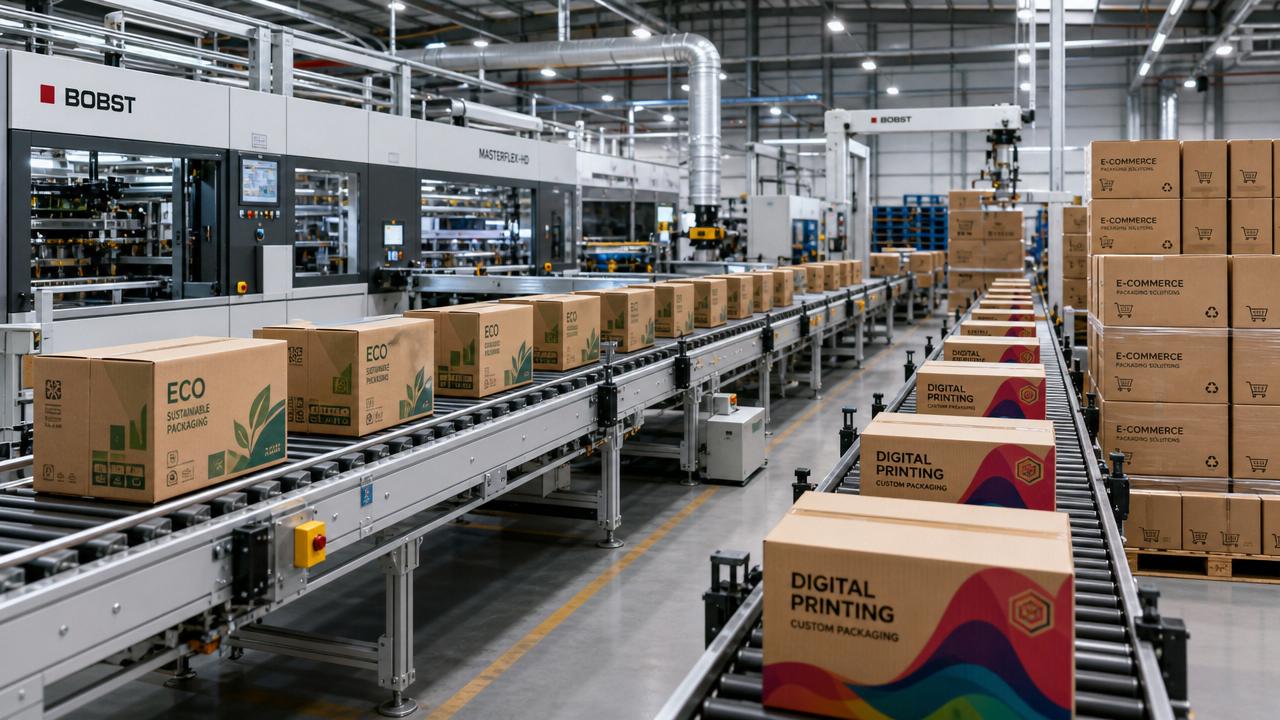
In 2026, corrugated packaging solutions are entering a decisive phase of change.
Protection still matters, but it is no longer the only benchmark.
Across industry, packaging must now support speed, automation, sustainability, traceability, and brand differentiation at the same time.
This shift is especially visible in e-commerce, food distribution, industrial shipping, healthcare logistics, and consumer goods.
As a result, corrugated packaging solutions are becoming more data-driven, more flexible, and more tightly connected to production systems.
For organizations navigating cost pressure and compliance risk, understanding these changes is now a practical growth requirement.
What corrugated packaging solutions mean in 2026
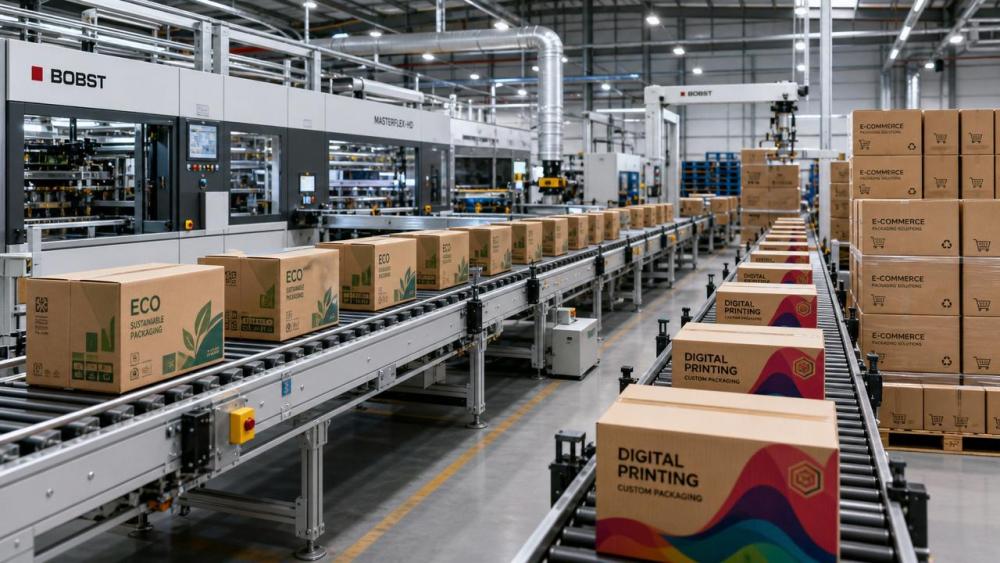
Corrugated packaging solutions refer to integrated systems built around corrugated board design, conversion, printing, handling, and final pack performance.
They include material selection, flute choice, box structure, digital graphics, die-cutting accuracy, folding-gluing quality, and logistics fit.
In earlier years, many projects focused on box strength and unit cost alone.
In 2026, corrugated packaging solutions are judged by a broader scorecard.
That scorecard often includes automation readiness, short-run adaptability, sustainable fiber sourcing, print quality, and cube efficiency.
The industry is also moving from isolated machine decisions to connected packaging workflows.
This is where platforms such as IPPS provide value.
By linking digital printing, corrugated board lines, post-press systems, and market intelligence, they clarify how packaging decisions affect overall operations.
Key industry signals shaping corrugated packaging solutions
Several forces are redefining corrugated packaging solutions across the global market.
They are not temporary trends.
They are structural changes affecting board specifications, equipment investment, and packaging strategy.
These signals explain why corrugated packaging solutions now sit at the intersection of production engineering and commercial planning.
The most important changes in corrugated packaging solutions
Automation is moving from optional to expected
Automated board handling, inline inspection, and high-speed folder gluing are becoming standard expectations in modern packaging plants.
This means corrugated packaging solutions must deliver tighter dimensional consistency.
Even small variation in board warp, crease depth, or glue placement can reduce line performance.
Digital print is changing packaging economics
Industrial digital printers allow versioned graphics, seasonal campaigns, and regional packaging without plate costs.
For corrugated packaging solutions, this expands both marketing flexibility and inventory control.
It also raises technical questions about ink behavior, surface preparation, and print durability on different flute profiles.
Lightweighting is becoming more precise
Reducing fiber usage is no longer just a material downgrade exercise.
Advanced corrugated packaging solutions use better flute design, stronger liner combinations, and stronger process control.
The goal is to keep compression strength while lowering shipping weight and emissions.
Compliance is shaping design choices earlier
Regulation increasingly affects sourcing, labeling, recycling compatibility, and environmental reporting.
As a result, corrugated packaging solutions must be reviewed earlier in product and logistics planning.
Late-stage compliance fixes are usually more expensive and less effective.
Business value behind modern corrugated packaging solutions
Well-designed corrugated packaging solutions create value far beyond shipping protection.
They influence fulfillment speed, transport efficiency, return rates, shelf appearance, and sustainability reporting.
- Lower product damage through better structural design and board selection
- Reduced void fill and freight spend through right-sized formats
- Shorter changeovers through digital print and flexible conversion
- Stronger sustainability performance through recyclable paper-based formats
- Better tracking and brand communication through variable data printing
In many operations, the strongest gains come from system coordination rather than one isolated machine upgrade.
That is why intelligence around corrugation, post-press precision, and print process behavior matters.
IPPS reflects this connected view by following board formation, digital print algorithms, die-cutting accuracy, and high-speed gluing performance together.
Typical application paths for corrugated packaging solutions
The right corrugated packaging solutions depend on product sensitivity, shipping intensity, branding needs, and automation level.
Practical considerations when upgrading corrugated packaging solutions
A successful upgrade starts with a full process view.
Material, machine capability, graphics, transport conditions, and sustainability rules must be reviewed together.
- Map damage points across packing, storage, and shipping.
- Test flute profiles and board grades against actual compression needs.
- Check print compatibility for variable graphics and scannable data.
- Review die-cutting and folding-gluing stability at target line speeds.
- Document fiber sourcing, recyclability, and regulatory evidence early.
- Track total cost, not only board price, across waste, freight, and returns.
These steps help separate attractive ideas from reliable corrugated packaging solutions that perform under real operating pressure.
They also reduce the risk of solving one problem while creating another downstream.
Direction for the next planning cycle
The 2026 market favors corrugated packaging solutions that are measurable, adaptable, and compliance-ready.
That means stronger attention to digital print capability, corrugator stability, post-press precision, and sustainable material intelligence.
Instead of treating packaging as a standalone cost center, it is more useful to evaluate it as a linked performance system.
A practical next step is to review existing corrugated packaging solutions against three benchmarks.
Those benchmarks are line efficiency, shipping performance, and regulatory resilience.
From there, intelligence sources such as IPPS can help connect equipment trends, market shifts, and process data into clearer packaging decisions.
In a market defined by speed and scrutiny, better corrugated packaging solutions are becoming a strategic operational advantage.
Industry Briefing
Get the top 5 industry headlines delivered to your inbox every morning.
Recommended News