
Green Paper-based Civilization: Cost Signals for 2026 Investment Plans
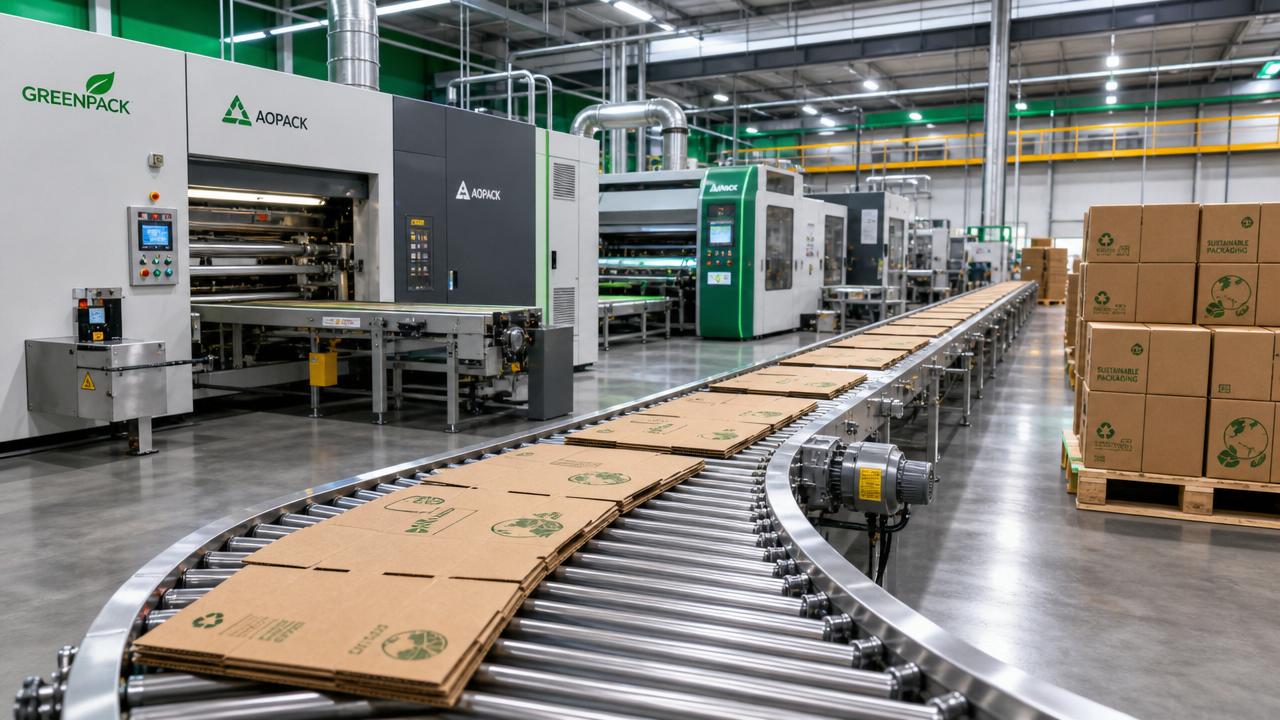
As 2026 capital plans take shape, cost visibility matters more than simple capacity expansion.
In the era of green paper-based civilization, machines are judged by energy draw, compliance exposure, yield stability, labor reduction, and recyclable output quality.
For printing, corrugation, post-press, and tissue converting, IPPS turns technical change into practical budgeting signals.
The goal is not buying more steel.
The goal is securing stronger returns under volatile paper prices, sustainability rules, and e-commerce packaging demand.
What does green paper-based civilization mean for 2026 investment plans?
Green paper-based civilization describes a structural shift toward renewable fiber, efficient converting, traceable sourcing, and lower-emission packaging systems.
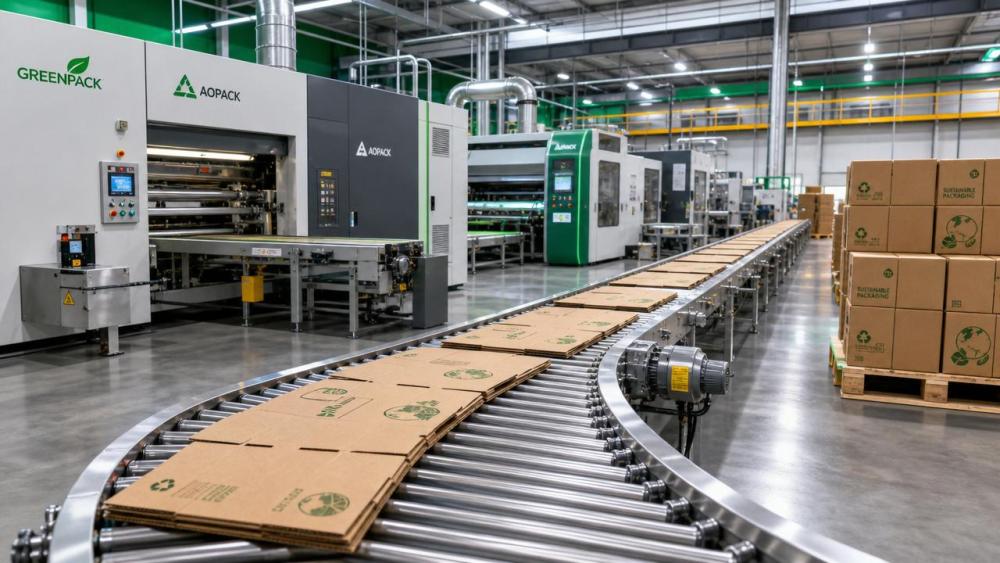
It is not only a branding phrase.
It is a cost framework affecting machine selection, line layout, raw material qualification, and digital workflow design.
In 2026, investment signals come from four linked forces.
- Sustainable packaging demand is lifting requirements for recyclable, lightweight, and right-sized paper formats.
- Energy costs remain unstable, pushing attention toward steam efficiency, motor optimization, and waste heat use.
- FSC and EUDR expectations increase the cost of poor traceability and weak supplier control.
- Labor and quality pressure favor automation, closed-loop control, and fewer manual touchpoints.
Under green paper-based civilization, capital planning shifts from nameplate speed to total economic resilience.
That includes uptime, scrap reduction, digital flexibility, and the ability to meet future sustainability audits without emergency reinvestment.
Which cost signals deserve the most attention across IPPS sectors?
The strongest cost signals are different by equipment type, yet they follow a common logic.
The best investment in green paper-based civilization lowers recurring losses, not just upfront price.
Industrial digital printers
Look at ink consumption, substrate compatibility, RIP speed, maintenance intervals, and variable-data throughput.
Fast changeovers matter because demand increasingly favors short runs and customized packaging graphics.
A cheaper press may become expensive if printhead wear, reject rates, or data bottlenecks remain high.
Corrugated board lines
Steam usage, web tension stability, flute quality, and board warp control directly influence margin.
In green paper-based civilization, lightweight board performance is critical.
Poor control can erase fiber savings through crush losses, downtime, and unstable converting.
Die-cutting, stamping, and folder gluing
Setup waste, registration accuracy, glue use, and defect detection define true operating cost.
Premium packaging needs precision, but precision only pays when repeatability stays high at speed.
Tissue processing machinery
Focus on rewinding efficiency, embossing consistency, trim loss, hygiene compliance, and packaging automation rate.
Utility intensity and labor substitution remain major cost levers for 2026 plans.
How should investment decisions balance output, automation, and compliance?
A common mistake is treating these factors as separate budgets.
In green paper-based civilization, they are tightly connected.
Higher automation often improves compliance readiness because it increases data capture, repeatability, and traceability.
That can reduce customer claims, certification friction, and audit preparation time.
A practical evaluation model should score each project using five dimensions.
- Capacity value: Can the asset support realistic demand, not theoretical peak output?
- Automation yield: Does it reduce touch labor, setup time, and operator dependency?
- Compliance value: Does it improve traceability, certified sourcing control, and reporting confidence?
- Energy value: Does it lower steam, electricity, compressed air, or solvent-related intensity?
- Flexibility value: Can it handle shorter runs, new board grades, and packaging redesigns?
Projects with moderate speed but strong scores across these dimensions often outperform larger headline investments.
That is especially true when green paper-based civilization pushes more frequent SKU changes and stricter documentation needs.
What are the biggest risks and misreads in 2026 budgeting?
The first risk is underestimating energy-linked variability.
A line with poor thermal efficiency can destroy projected savings when steam or electricity prices move.
The second risk is overvaluing maximum speed.
If a machine reaches top speed only on ideal grades, effective output may stay disappointing.
The third risk is ignoring substrate transition costs.
As green paper-based civilization expands, recycled fibers, lighter grammages, and new coatings create process adjustments.
Those adjustments can affect print quality, bonding performance, and die-cut accuracy.
The fourth risk is weak digital integration.
Standalone automation may look impressive but still leave data blind spots between printing, corrugation, and finishing.
The fifth risk is treating compliance as a paperwork cost.
In reality, noncompliance can delay orders, narrow export access, and trigger emergency equipment retrofits.
How can green paper-based civilization improve return on investment over the asset lifecycle?
Lifecycle ROI improves when sustainable design reduces recurring waste and expands revenue options.
For example, digital printing can monetize SKU diversity without plate costs.
Advanced corrugation controls can preserve strength while using lighter papers.
Smart folder gluers can lower adhesive use and rework.
Tissue lines with better rewind and packaging automation can cut labor intensity and improve hygiene consistency.
The green paper-based civilization model also supports commercial upside.
- More sustainable packaging can qualify for higher-value tenders.
- Traceable fiber and low-waste converting can strengthen export competitiveness.
- Faster changeovers help capture seasonal or customized demand.
- Lower defect rates improve customer retention and production confidence.
IPPS intelligence is useful here because it connects machine physics to commercial outcomes.
That connection is essential when capital committees ask why one technical upgrade deserves priority over another.
What practical checklist helps compare 2026 investment options?
Use a short decision table before approving any major line, module, or retrofit.
This checklist helps compare digital printers, corrugators, folder gluers, die-cutters, and tissue machinery on common economic ground.
It also keeps green paper-based civilization from becoming a vague slogan during budget review.
How should the next step be structured before final approval?
Start with a baseline of energy use, waste rate, labor dependency, changeover time, and compliance gaps.
Then map each candidate investment against those losses.
If the proposal does not solve a measurable bottleneck, its strategic value is likely overstated.
Next, stress-test assumptions under three scenarios.
- Higher energy and logistics costs
- Faster growth in sustainable packaging demand
- Tighter sourcing and traceability requirements
The strongest 2026 projects remain attractive across all three conditions.
That is the practical test of green paper-based civilization readiness.
IPPS supports this process by translating web control, inkjet behavior, bonding performance, and converting efficiency into decision-ready intelligence.
For 2026 planning, the best move is clear.
Prioritize assets that reduce waste, strengthen compliance, save energy, and expand sustainable packaging flexibility.
That is how green paper-based civilization turns technical change into durable investment returns.
Industry Briefing
Get the top 5 industry headlines delivered to your inbox every morning.
Recommended News