
Tissue Converting Technology Cost: Key Drivers and ROI Benchmarks
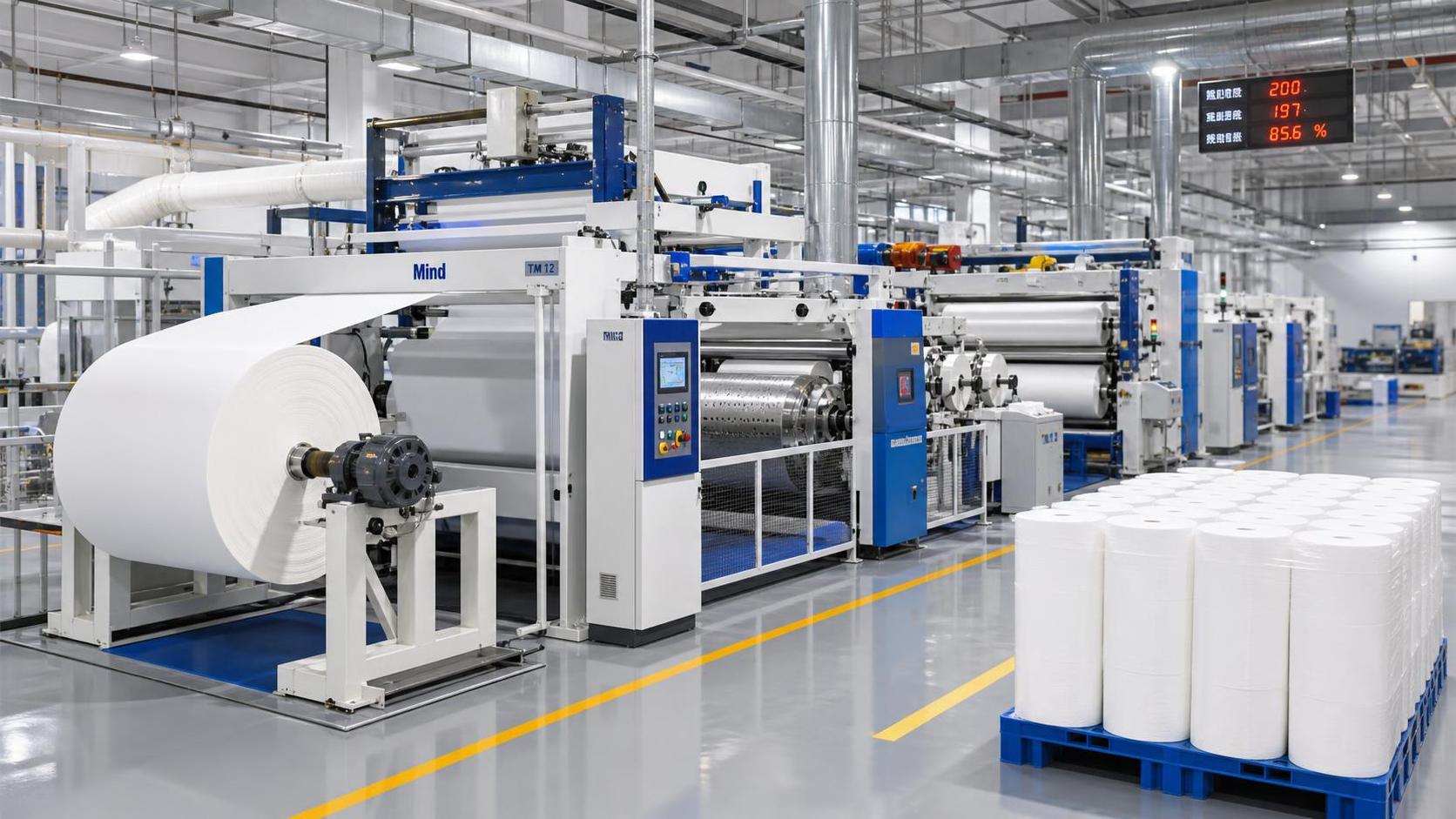
Tissue Converting Technology Cost: Key Drivers and ROI Benchmarks
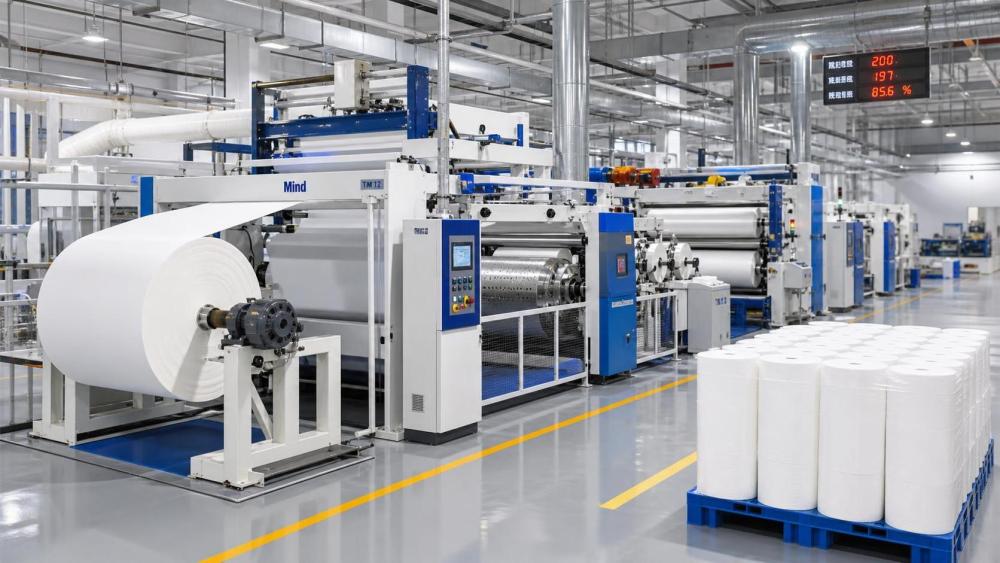
For procurement teams, understanding tissue converting technology cost is no longer just about comparing machine prices.
The real decision sits across output, labor, uptime, energy use, and product quality.
That shift is becoming more obvious as hygiene demand stays firm and labor remains expensive.
At the same time, sustainability goals are pushing mills and converters toward cleaner, more efficient lines.
This means tissue converting technology cost should be reviewed as a lifecycle investment, not a single invoice.
In practice, buyers need a framework that links capex to measurable return.
That includes machine speed, format flexibility, finished roll quality, maintenance load, and compatibility with raw material grades.
A better cost model also helps reduce supplier risk and shorten payback periods.
What Tissue Converting Technology Cost Really Includes
The first mistake is treating tissue converting technology cost as the machine selling price alone.
In real sourcing work, the total cost stack is wider.
- Core machine package, including rewinder, embossing, perforation, and log saw sections
- Installation, commissioning, training, and line integration
- Utilities, including power demand, compressed air, and steam where required
- Spare parts, wear components, and preventive maintenance kits
- Software, controls, and remote diagnostics support
- Operator headcount and shift-related labor costs
- Downtime exposure from slow changeovers or unreliable components
This broader view gives a more accurate reading of tissue converting technology cost over five to ten years.
It also separates low-price offers from genuinely competitive ownership models.
The Main Cost Drivers Behind Tissue Converting Investments
Several factors shape tissue converting technology cost more than most buyers expect.
Capacity is the most visible one.
Higher-speed lines cost more upfront, but they often lower unit conversion cost significantly.
Automation is another major driver.
Automatic core feeding, tail sealing, log transfer, and packaging interfaces reduce labor dependency.
That matters even more in regions facing operator shortages or wage inflation.
Embossing quality also affects cost.
Steel-to-rubber and steel-to-steel configurations bring different pricing, durability, and product positioning outcomes.
Raw material compatibility is equally important.
Machines that run virgin pulp, recycled grades, and lighter basis weights with stable tension offer more sourcing flexibility.
That flexibility directly improves cost resilience when paper prices swing.
Energy efficiency is becoming a bigger signal too.
Servo optimization, vacuum control, and efficient motors can lower ongoing operating expense in a meaningful way.
Common Variables That Move the Budget
- Line speed and target output per shift
- Degree of automation from unwind to packaging
- Embossing complexity and premium finish requirements
- Material range and basis weight tolerance
- Changeover time between SKUs
- OEM service network and spare parts availability
Why Low Purchase Price Can Raise Tissue Converting Technology Cost Later
A lower bid can look attractive during supplier comparison.
But the long-term tissue converting technology cost often rises when reliability is weak.
Unexpected stops reduce output, create waste, and increase labor intervention.
Slow format change also hurts economics in mixed-SKU production.
In actual operations, these hidden losses can outweigh the initial discount quickly.
Service gaps create another problem.
If critical parts take weeks to arrive, the cost of missed production can be severe.
This is especially true for high-volume tissue plants serving retail and contract supply commitments.
A stronger supplier may charge more upfront, yet still lower tissue converting technology cost over time.
ROI Benchmarks Buyers Should Use
ROI should be tied to a few practical benchmarks.
That keeps tissue converting technology cost analysis grounded and comparable across suppliers.
Across many projects, a payback window of 24 to 48 months is often used as a workable benchmark.
Faster returns are possible when automation replaces labor-heavy manual handling.
Premium consumer tissue lines may accept longer payback if embossing quality lifts selling price and shelf appeal.
How to Compare Suppliers More Accurately
A useful sourcing process compares tissue converting technology cost on the same operating assumptions.
Without that, supplier quotes are hard to trust.
Start with a clear requirement sheet.
- Define target output, roll sizes, embossing needs, and packaging interface requirements.
- Request energy data, spare parts lists, and expected maintenance intervals.
- Ask for reference installations running similar paper grades and SKU mixes.
- Model three scenarios: base demand, peak demand, and reduced labor availability.
- Price downtime risk by estimating lost output per hour.
This approach makes tissue converting technology cost more transparent.
It also reveals where one machine wins on paper but loses on actual plant economics.
Questions Worth Asking Before Approval
- What uptime level is contractually supported after commissioning?
- Which wear parts are local, and which require overseas shipment?
- How long does a full SKU change take in daily production?
- Can the line handle lower-grade or lighter paper without quality drift?
- What digital diagnostics are available for predictive maintenance?
Market Signals Affecting Tissue Converting Technology Cost
Recent market changes are reshaping tissue converting technology cost in several ways.
One is labor pressure.
Where staffing is unstable, automation moves from optional to necessary.
Another is sustainability compliance.
Lower waste, efficient drives, and better raw material yield now influence investment approval more directly.
The stronger signal is volatility in paper sourcing.
Equipment that keeps stable converting performance across more grades can protect margins when fiber prices change suddenly.
This is why tissue converting technology cost should be linked to procurement resilience, not only production efficiency.
A Practical Buying View
The best buying decisions usually come from balancing capex, throughput, flexibility, and service support.
That is the clearest way to control tissue converting technology cost.
A competitive line should do more than run fast.
It should hold quality, reduce waste, adapt to paper changes, and recover quickly from maintenance events.
When those conditions are measured upfront, ROI becomes easier to defend internally.
For buyers evaluating new lines or upgrades, the smartest next step is simple.
Build a side-by-side ownership model, test supplier claims against plant realities, and let tissue converting technology cost be judged by return, not price alone.
Industry Briefing
Get the top 5 industry headlines delivered to your inbox every morning.
Recommended News