
Die Cutting Equipment Price: What Drives Total Cost in 2026?
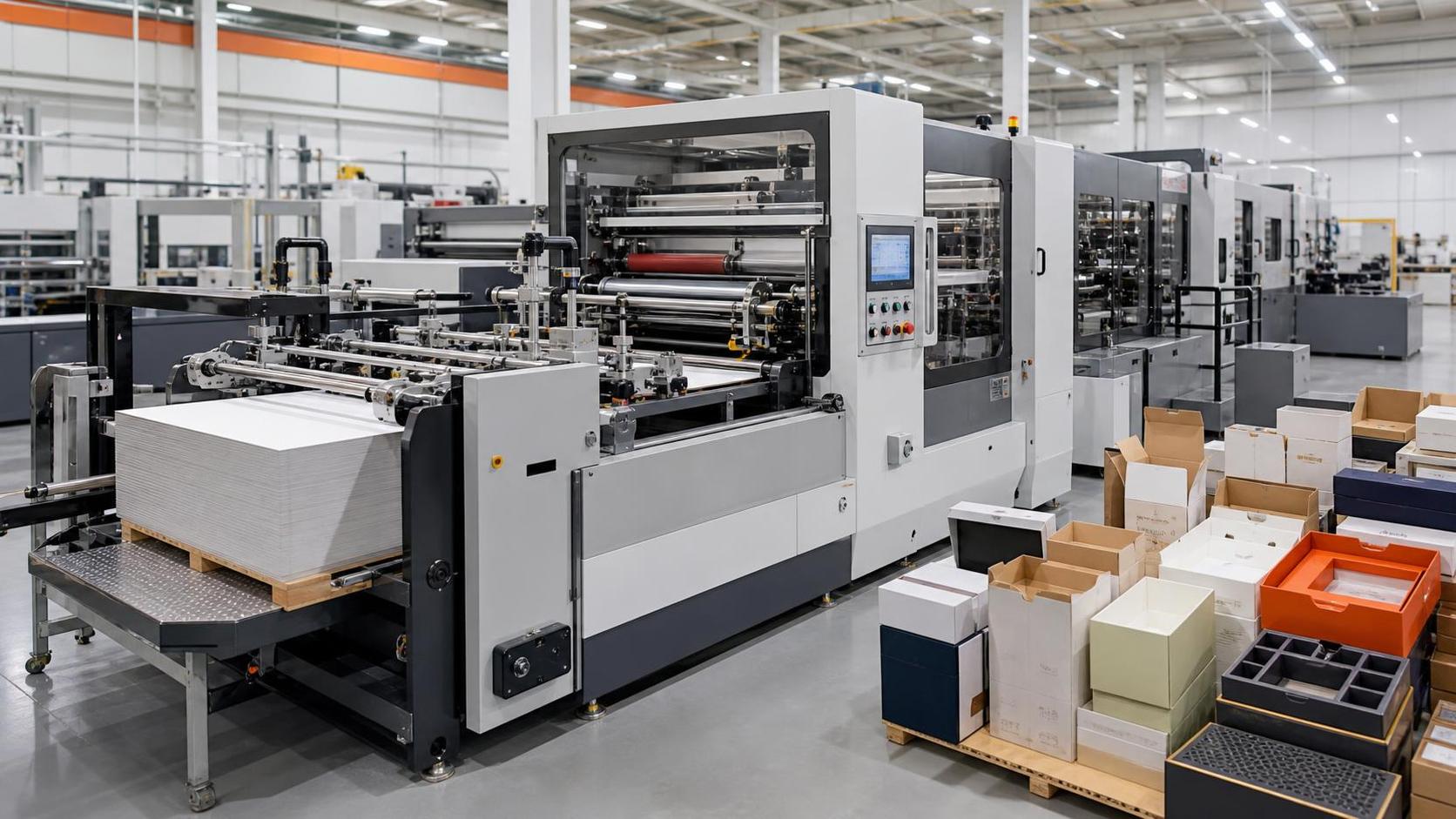
Die Cutting Equipment Price: What Drives Total Cost in 2026?
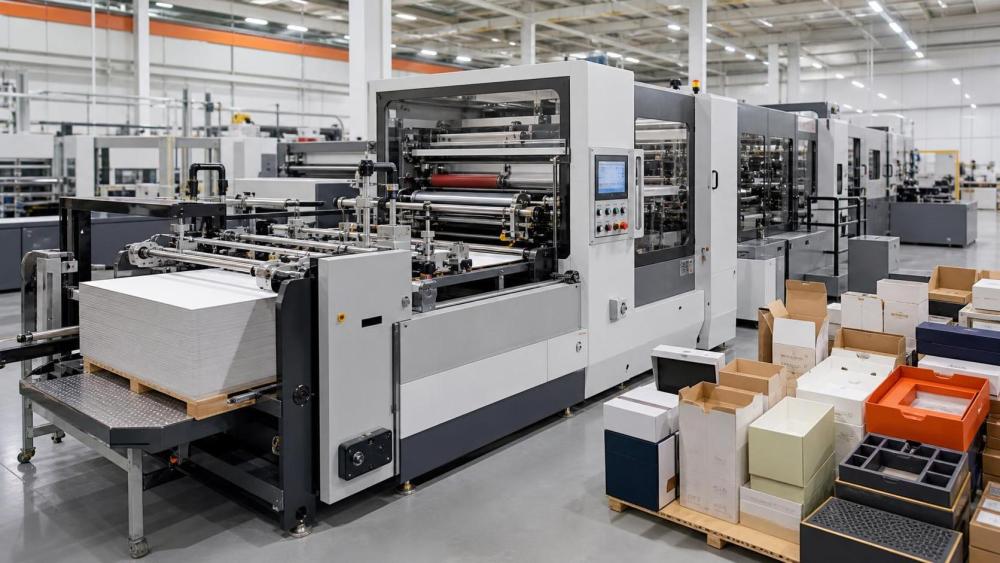
For procurement teams planning capital purchases in 2026, die cutting equipment price is no longer defined by the machine alone.
A lower quote can still produce a higher lifetime cost.
Automation level, sheet size, tooling, uptime, energy draw, and compliance now shape the real budget.
That shift is especially visible in folding carton, corrugated packaging, e-commerce inserts, and short-run branded work.
In practice, buyers need to compare total ownership cost, not only purchase price.
This matters more in 2026 because labor is tighter, material quality is less stable, and delivery deadlines are less forgiving.
A smart sourcing decision links die cutting equipment price with throughput, waste control, maintenance exposure, and future packaging requirements.
Why Die Cutting Equipment Price Is More Complex in 2026
The market has moved beyond simple machine comparisons.
Suppliers now package software, remote diagnostics, servo upgrades, feeder intelligence, and energy-saving modules into their offers.
As a result, the visible die cutting equipment price can hide large differences in operating value.
More obvious signals also come from packaging demand.
Converters are handling more SKU variation, more sustainability claims, and more mixed board structures.
That means equipment must switch jobs faster and hold tighter register under changing substrates.
When that capability is missing, make-ready time rises and output quality falls.
So even a modest difference in die cutting equipment price can be justified by lower spoilage and stronger consistency.
The Main Cost Drivers Behind Die Cutting Equipment Price
The first driver is machine format.
Larger sheet sizes usually raise frame cost, feeder complexity, power demand, and tooling expense.
The second driver is speed under real production conditions.
Quoted strokes per hour matter less than stable output on actual board grades.
A machine rated at high speed may underperform if setup is slow or stripping is inconsistent.
The third driver is automation depth.
- Automatic feeder adjustment reduces operator dependency.
- Quick-lock chase systems shorten makeready windows.
- Auto stripping and blanking improve usable output.
- Vision inspection lowers defect escape risk.
Each feature lifts die cutting equipment price, but the payback can be fast in multi-shift plants.
A fourth driver is build quality.
Frame rigidity, servo system quality, bearing life, and platen pressure stability influence uptime over years.
This is where low-cost offers often become expensive later.
Software, Data, and Integration Costs
In many cases, the missing line item is software.
Some suppliers include production dashboards, remote service, and MIS or ERP integration.
Others quote them separately.
That difference changes the effective die cutting equipment price more than many buyers expect.
For plants pushing traceability, digital job recall has become a serious value factor.
Hidden Costs That Distort Budget Planning
The machine quote rarely tells the full story.
Installation, civil work, air systems, power upgrades, and operator training can materially change the project cost.
Tooling is another major factor.
Dies, stripping tools, embossing units, foil modules, and spare chases add recurring cost beyond base equipment.
In short-run environments, tooling turnover can materially affect die cutting equipment price per job.
Energy is becoming harder to ignore as well.
Machines with efficient drive systems and optimized idle behavior can lower cost over thousands of production hours.
More importantly, maintenance access affects downtime.
A cheaper platform with slower part replacement can quietly raise the real die cutting equipment price across its lifecycle.
Compliance and Sustainability Add Cost, but Also Reduce Risk
By 2026, compliance cannot be treated as optional.
Electrical standards, guarding, dust control, and data security requirements vary by market.
If a machine needs retrofits after delivery, initial savings disappear quickly.
The same applies to sustainability targets.
Equipment that handles lighter board, recycled fiber variation, and waste monitoring supports both reporting and cost control.
How to Compare Die Cutting Equipment Price the Right Way
The most useful approach is a normalized comparison table.
That forces each supplier to price the same operating assumptions.
This structure reveals whether a low die cutting equipment price is actually competitive.
It also keeps supplier discussions focused on measurable performance.
Questions Worth Asking Before Final Approval
- What is the net output on our actual board grades?
- How long is makeready for repeat jobs and new jobs?
- Which options are included, and which are quoted separately?
- What spare parts are recommended for the first year?
- How is service handled across regions and time zones?
- What is the expected energy use under real load?
These questions usually expose the true relationship between quoted price and operational value.
Matching Die Cutting Equipment Price to Production Strategy
Not every plant needs the same machine profile.
A converter focused on long runs may prioritize speed, pressure stability, and automated pile handling.
A business serving cosmetics, pharmaceuticals, or premium retail may value register precision and finishing flexibility more highly.
For e-commerce packaging, substrate range and fast changeovers often matter most.
This is why die cutting equipment price should always be tied to production mix.
In actual sourcing work, three planning rules help.
- Model the cost per sellable sheet, not per machine hour.
- Estimate downtime exposure using service and spare lead times.
- Check whether the machine fits future board and sustainability requirements.
These steps create a more durable buying decision than simple quote ranking.
Final Take: Focus on Total Value, Not Just Die Cutting Equipment Price
In 2026, the smartest purchase decisions will come from cost visibility, not price chasing.
A realistic review of tooling, labor, uptime, software, utilities, compliance, and support changes how every quote should be read.
The right die cutting equipment price is the one that supports output quality, predictable delivery, and stable returns over years.
For industrial packaging and print operations tracking market direction through IPPS, that broader view is increasingly essential.
Before signing, compare suppliers on normalized total cost, request job-based performance evidence, and verify support depth in your operating region.
Industry Briefing
Get the top 5 industry headlines delivered to your inbox every morning.
Recommended News