
Tissue Converting Machines Price: What Shapes Total Cost in 2026?
Tissue Converting Machines Price: What Shapes Total Cost in 2026?
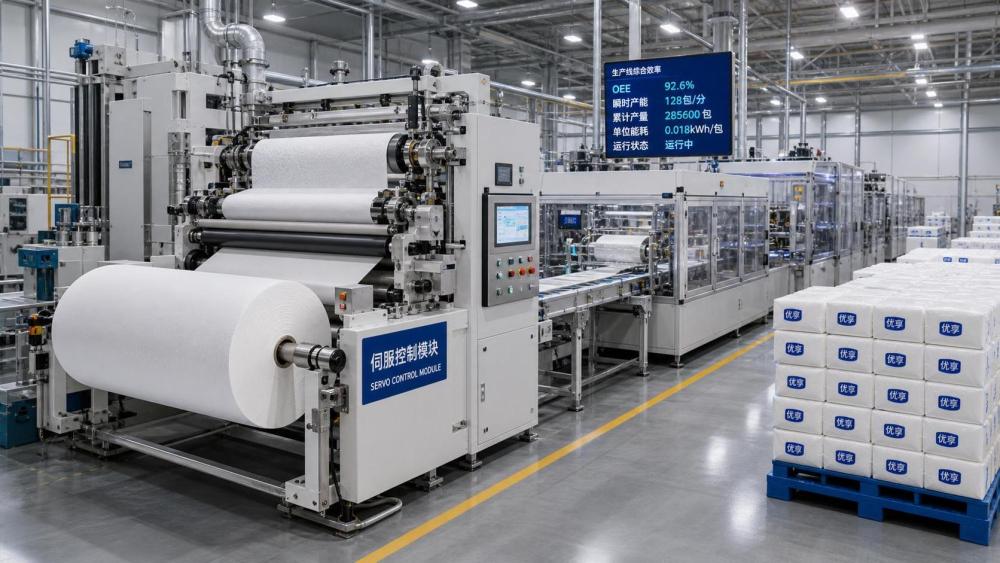
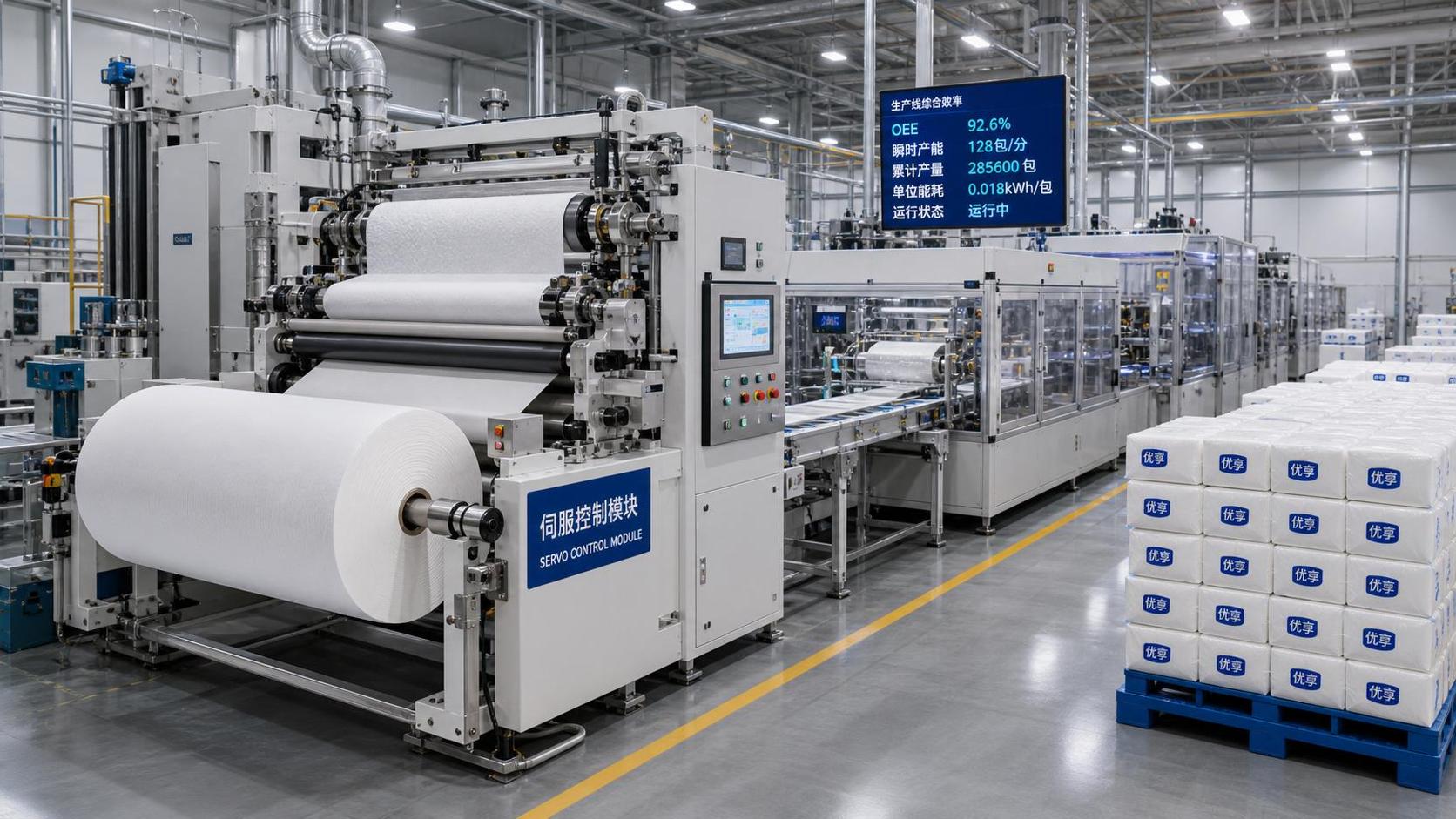
Understanding tissue converting machines price in 2026 requires more than comparing catalog numbers.
Initial quotes matter, but they rarely show the full investment picture.
In real projects, total cost is shaped by output targets, automation choices, plant conditions, and after-sales support.
That is why tissue converting machines price often varies widely between two lines that look similar on paper.
For 2026 planning, the more useful question is simple.
Which cost drivers will improve output, reduce waste, and protect uptime over years of operation?
This is where a smarter procurement view becomes more valuable than chasing the lowest ticket price.
Why Tissue Converting Machines Price Is Rising in 2026
From recent market shifts, one clear signal stands out.
Suppliers are pricing in higher component costs, stricter energy requirements, and stronger demand for automation.
Servo systems, control software, bearings, and precision rollers remain major cost contributors.
More noticeably, buyers now expect faster changeovers and lower labor dependence.
That expectation pushes tissue converting machines price upward, especially for advanced lines.
At the same time, sustainability standards are affecting machine design.
Efficient motors, cleaner lubrication systems, and reduced trim loss now carry real commercial value.
So, machine cost in 2026 is no longer just about steel and speed.
It is increasingly tied to production intelligence, energy performance, and lifecycle risk.
The Main Factors Behind Tissue Converting Machines Price
In practical buying decisions, several variables shape tissue converting machines price more than others.
1. Production Speed and Capacity
Higher speed lines usually command a higher purchase price.
But the real issue is whether the plant can actually use that capacity.
If upstream jumbo roll supply or downstream packaging is limited, premium speed may sit idle.
This means tissue converting machines price should be judged against usable throughput, not nameplate output alone.
2. Automation Level
Manual, semi-automatic, and fully automatic lines sit in very different cost bands.
Automatic core loading, log transfer, tail sealing, and packaging integration add capital cost.
However, they can lower labor exposure and stabilize output quality.
In regions with rising wages, this often changes the total economics quickly.
3. Embossing, Laminating, and Rewinding Technology
This is a major pricing layer that buyers sometimes underestimate.
Basic rewinding systems cost less, but premium embossing units improve texture and product perception.
Steel-to-rubber or steel-to-steel embossing, glue lamination, and perforation accuracy all influence final machine cost.
For consumer-facing tissue grades, these features often affect market positioning directly.
4. Control System and Digital Monitoring
PLC quality, HMI design, sensor density, and remote diagnostics all influence tissue converting machines price.
A stronger control layer usually improves troubleshooting and changeover consistency.
That becomes important when plants run multiple SKUs with frequent format switches.
Hidden Costs Beyond the Purchase Quote
A machine quote is only the visible part of the budget.
The bigger financial surprises usually appear after contract signing.
- Freight, insurance, and import duty
- Installation, commissioning, and operator training
- Compressed air, power upgrades, and floor reinforcement
- Spare parts packages and critical wear components
- Software licenses or remote service subscriptions
- Downtime during startup or recipe optimization
These items can materially change the effective tissue converting machines price.
In some cases, the lowest quote becomes the most expensive project after twelve months.
That is why total landed cost should always sit beside the machine price during evaluation.
Typical Price Ranges by Machine Configuration
Exact numbers vary by supplier, country, and technical scope.
Still, broad pricing bands help structure a realistic budget.
The important point is not chasing a category label.
It is matching line specification to the commercial model of the plant.
Private label producers, branded tissue mills, and regional converters often need different cost structures.
How to Compare Suppliers More Accurately
A cleaner comparison method helps control risk before negotiation starts.
- Request line speed at stable production conditions, not peak test speed.
- Check waste rates during startup, reel change, and SKU switching.
- Ask for guaranteed uptime targets and response times for service.
- Review recommended spare parts usage over the first two years.
- Confirm energy consumption under standard operating loads.
- Verify local support capacity, not just head office promises.
This kind of comparison gives tissue converting machines price real context.
It also reduces the risk of buying a machine that performs well only during demonstrations.
When a Higher Tissue Converting Machines Price Makes Sense
A higher tissue converting machines price is not automatically a poor deal.
In many cases, it reflects lower operational friction over time.
For example, stronger automation can reduce operator dependency during labor shortages.
Better embossing consistency can support premium retail positioning and stronger shelf appeal.
Higher-grade controls can cut troubleshooting time and improve repeatability.
In those situations, the more expensive line may offer a faster payback.
The opposite is also true.
If demand is still uncertain, overbuying speed or automation can delay returns and strain cash flow.
A Practical Buying Framework for 2026
A disciplined buying process makes tissue converting machines price easier to judge.
- Define target products, roll dimensions, and packaging formats first.
- Map actual production bottlenecks before choosing machine speed.
- Separate must-have features from optional upgrades.
- Build a five-year ownership model, not a one-time capex view.
- Score each supplier on service depth, parts access, and process knowledge.
This approach turns a price discussion into a productivity discussion.
That shift usually leads to better decisions, especially in a volatile cost environment.
Final Takeaway
In 2026, tissue converting machines price is shaped by far more than the base machine frame.
Speed, automation, converting quality, energy efficiency, maintenance exposure, and supplier support all matter.
The strongest buying decisions come from balancing capital cost with long-term operating performance.
When tissue converting machines price is reviewed through total cost, the comparison becomes clearer and more actionable.
That is the right starting point for a durable investment in modern tissue production.
Industry Briefing
Get the top 5 industry headlines delivered to your inbox every morning.
Recommended News