
Wholesale Price PP Sheet Extrusion Line: What Used Buyers Verify
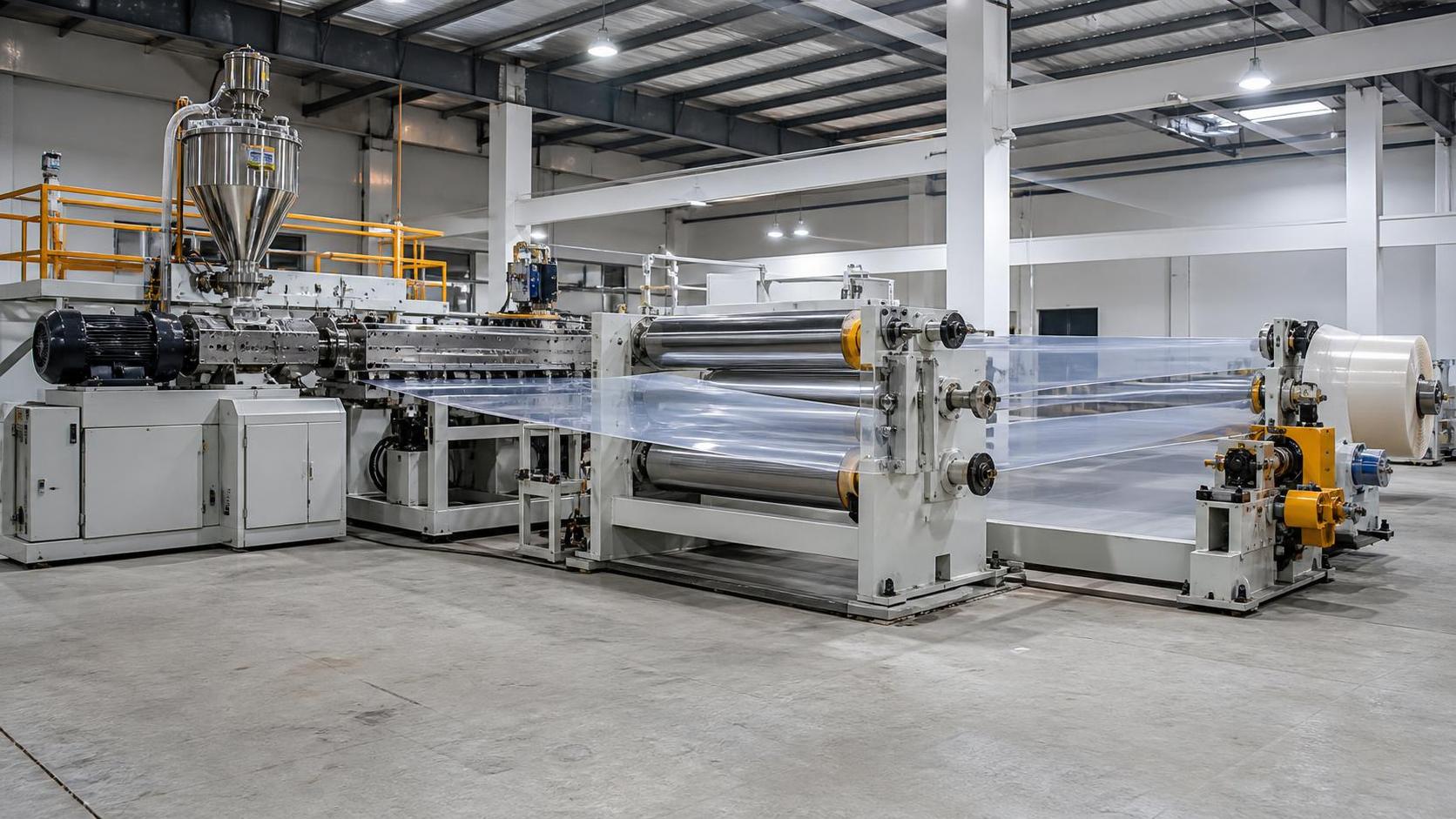
Used PP sheet extrusion lines can look economical on paper and become expensive within months if buyers verify the wrong things. For procurement teams, the gap between a workable machine and a hidden liability usually comes down to technical due diligence: not just whether the line can run, but whether it can run the target resin, sheet width, thickness range, output rate, and downstream handling conditions without creating scrap, downtime, or parts dependency.
That matters more in PP sheet production than many first-time used-equipment buyers expect. Polypropylene processing is sensitive to melt temperature stability, screw condition, die performance, and cooling control. A line that once produced acceptable sheet in a different plant may still struggle under a new material mix, different ambient conditions, or tighter dimensional tolerances. Procurement decisions therefore need to move past age and asking price toward verifiable operating evidence.
Why used-line verification is different from buying new
With new equipment, buyers usually compare a defined specification against a factory build plan and warranty scope. A used line is a recovery project as much as a purchase. The line may have been modified, partially rebuilt, cannibalized for spare parts, or operated with materials that accelerated wear. Documentation may also be incomplete. Even where the machine frame and main drive look sound, the real commercial risk often sits in the barrel and screw set, gearbox history, electrical condition, die lip wear, roller uniformity, and control-system obsolescence.
For procurement, this changes the question from “What was the original design?” to “What can this line reliably do now, and what must be repaired before handover?” That is the basis for comparing a used asset against a new one, or against another second-hand option in a similar price band.
The first check: confirm the actual process window
Many buyers begin with nominal capacity and machine dimensions. Those are useful, but they do not define suitability on their own. A PP sheet line should be reviewed against the process window required by the intended products:
- Target sheet width and finished thickness range
- Virgin PP or recycled-content formulation
- Single-layer or multi-layer configuration
- Surface and flatness requirements for thermoforming or printing
- Required output stability over a full shift, not just a short trial
A line may be mechanically capable of producing PP sheet, yet unsuitable for thin-gauge output, frequent grade changes, or material with high recycled content. Screw design, venting arrangement, screen changing setup, and die condition all affect whether the line can maintain a stable melt and acceptable sheet profile under real production conditions.
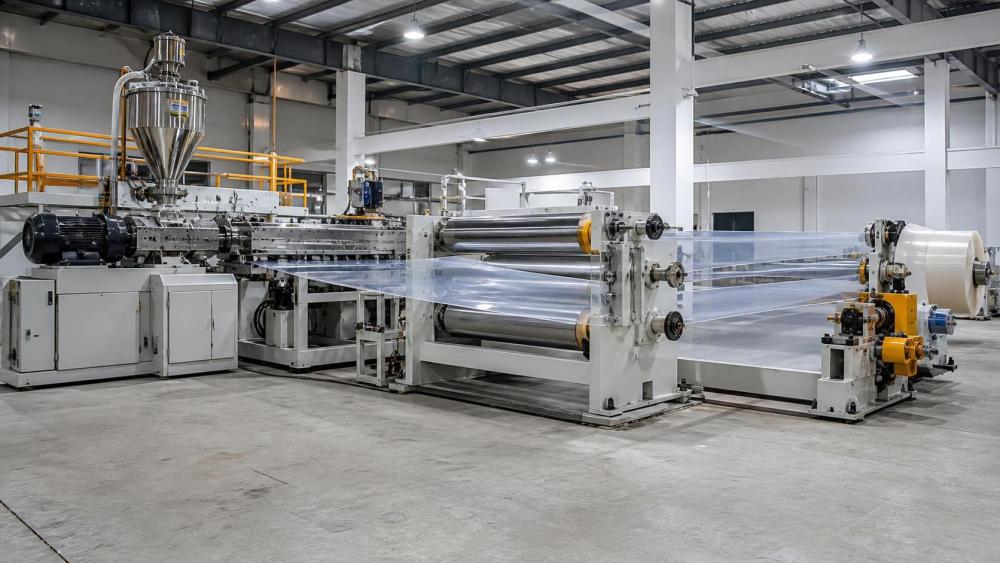
When evaluating a wholesale price pp sheet extrusion line, procurement teams usually benefit from treating the machine as a process package rather than a standalone extruder. The feeder, screen changer, melt pump if present, T-die, three-roll calendar, trimming system, haul-off, winder or cutter, and control cabinet all influence final sheet consistency and operating cost.
What buyers should verify on the extruder itself
Screw and barrel wear
Wear in the screw and barrel directly affects melt pressure stability, output consistency, and energy consumption. If the screw flights are worn or the barrel shows excessive clearance, the machine may still run but with reduced efficiency and less stable extrusion. That can show up as output drift, temperature control difficulties, or inconsistent sheet thickness.
Procurement should ask for measurable evidence where possible: maintenance logs, rebuild records, or inspection reports. If dismantled inspection is not practical before sale, a monitored trial run becomes more important. During the run, buyers should watch for unusual pressure fluctuation, excessive motor load for a modest output rate, and long stabilization time after process changes.
Gearbox and drive condition
A used line can carry hidden drivetrain risk even when the extrudate looks acceptable during a short test. Gearbox noise, oil leakage, vibration, and heat rise are warning signs. Motor and inverter compatibility also matter, especially on older lines that may use discontinued electrical components. If a drive fails after installation, the repair lead time may be far more disruptive than the purchase discount justified.
Heating and temperature control zones
PP processing depends on controlled heat input from feed to die. Buyers should verify whether all barrel zones, adapters, and die heaters are functioning correctly and whether actual temperature response matches setpoint behavior. Faulty thermocouples or uneven heating can cause gels, unstable pressure, or poor surface appearance. These defects are often mistaken for material issues when the root cause is machine-side thermal inconsistency.
Die and calendar checks usually separate good deals from risky ones
For sheet extrusion, the die and polishing/cooling section often deserve more attention than the main extruder. A worn die lip, poor internal flow distribution, or damaged adjustment bolts can make thickness profiling difficult even if the extruder is mechanically acceptable. Since PP sheet buyers often need repeatable gauge control, a die that cannot hold profile under steady production becomes a major cost source through trim loss and downgraded output.
The three-roll stack also needs close review. Buyers should verify:
- Roll surface condition and whether chrome damage, pitting, or scoring is present
- Uniform roll temperature control and cooling circuit integrity
- Parallelism and mechanical adjustment accuracy
- Bearing condition and abnormal vibration at production speed
Even minor roll defects may transfer to the sheet surface or create caliper variation. If the end product will be thermoformed into trays, cups, or packaging components, small upstream defects can cause downstream forming inconsistency and increased rejection.
Control system age matters more than buyers expect
Many used lines are mechanically restorable but electronically awkward. Older PLC platforms, operator panels, temperature controllers, and inverter models may still function at inspection stage while being difficult to support later. Procurement should check whether replacement parts are readily available, whether software backups exist, and whether any machine logic has been modified without proper documentation.
This is not only a maintenance issue. An unstable or poorly documented control system complicates commissioning, staff training, and troubleshooting after relocation. In some cases, partial electrical retrofitting is a sensible cost before shipment. In others, the retrofit budget can erase the savings that made the used line attractive in the first place.
Production trial evidence should be specific, not generic
A powered-on inspection is not enough. A used PP sheet line should ideally be verified under live production conditions that resemble the buyer’s intended application. Procurement teams should look for evidence in four areas:
- Material compatibility: Was the trial run done with PP, and if so, what grade or formulation?
- Stable output: Can the line hold pressure, temperature, and sheet dimensions for a meaningful period?
- Finished-sheet quality: Are there visible flow lines, edge instability, gauge bands, surface defects, or winding issues?
- Restart behavior: Does the line recover cleanly after speed changes or short stops?
If only historical video or seller-prepared snapshots are available, buyers should treat those as supporting information, not proof of current condition. The closer the verification gets to actual running performance, the more reliable the procurement decision becomes.
Documents that help procurement separate known cost from unknown cost
Used equipment deals often become difficult not because the machine is bad, but because the missing information shifts too much risk to the buyer. Procurement should check whether the following are available:
- General arrangement or layout drawings
- Electrical schematics and control cabinet lists
- Main motor and heater specifications
- Die, screw, and barrel identification details
- Maintenance and repair history
- Spare parts list included in the sale
- Records of prior material usage and typical operating range
These records support more accurate budgeting for transport, installation, utility connection, and initial repair work. They also help operations teams prepare commissioning plans and identify consumables or critical spare items before the line arrives.
Transport, installation, and restart costs can change the real purchase price
Procurement teams focused on machine price alone often underestimate the cost of putting a used line back into dependable service. A line sold complete may still require disassembly, cleaning, re-cabling, heater replacement, hydraulic service, roll-stack alignment, or local compliance adaptation after arrival.
That is why the true comparison is not asking price versus asking price. It is total landed and restart cost versus expected output quality and remaining service life. A lower-priced line with poor documentation, uncertain wear status, and an obsolete control platform may end up costing more than a higher-priced line that has clearer maintenance records and a stronger trial history.
Application fit should guide the final decision
Not every used line has to be perfect to be commercially sensible. A buyer producing simple industrial sheet with wider thickness tolerance may accept a machine that would be unsuitable for high-appearance packaging stock. A line intended for in-house conversion may tolerate more manual adjustment than one supplying demanding outside customers. The verification standard should match the business model.
That said, procurement should be careful when the intended use involves thin gauge, high output, recycled content variability, or demanding downstream thermoforming. In these conditions, weaknesses in melt stability, die control, or roll performance become more expensive very quickly.
What experienced buyers usually verify before price negotiation closes
By the final stage, the central question is simple: which defects are known, which are repairable at a predictable cost, and which ones remain uncertain? Experienced buyers tend to verify whether the line is complete, whether wear parts are still commercially obtainable, whether key assemblies have enough remaining life for the planned payback period, and whether the line’s prior operating range aligns with the intended product mix.
If those points are clear, a used PP sheet line can make financial sense and reach production faster than a new build in many situations. If those points remain unclear, the “cheap” line often becomes an engineering project that procurement never intended to buy. For used-equipment purchasing, confidence usually comes less from the advertised price than from the quality of verification behind it.
Industry Briefing
Get the top 5 industry headlines delivered to your inbox every morning.
Recommended News