
How to Evaluate a Packaging Automation Provider for Line Integration
How to Evaluate a Packaging Automation Provider for Line Integration
Choosing the right packaging automation provider can decide whether a line integration project runs smoothly or becomes a recurring operational problem.
On paper, many suppliers look similar. In practice, integration quality, controls strategy, and service discipline create the real difference.
That is why a provider review should go beyond brochure claims, nominal speed, or a short machine demo.
A strong packaging automation provider must fit the line, the product mix, the plant controls environment, and the long-term business plan.
This matters even more in packaging sectors shaped by digital printing, corrugated conversion, folder gluing, and fast-changing e-commerce demand.
From recent market shifts, the clearer signal is simple: flexibility now matters almost as much as throughput.
In real operations, line integration success depends on how well automation connects upstream and downstream equipment under live production conditions.
The evaluation process should therefore focus on technical fit, implementation risk, and lifecycle performance, not just purchase price.
Start With the Line, Not the Machine
The first mistake in provider selection is reviewing equipment in isolation.
A packaging automation provider should be evaluated against the full production line, including infeed stability, product handoff, reject handling, buffering, and discharge logic.
That means mapping the actual process before discussing supplier proposals.
Document product sizes, material variation, takt time, changeover frequency, operator interaction points, and future SKU plans.
For corrugated, folding carton, tissue, or printed pack formats, line sensitivity can vary dramatically by substrate behavior and finishing accuracy.
A supplier that understands those process details usually asks better questions early.
That is often the first sign of a capable packaging automation provider.
Questions to ask at this stage
- Can the provider explain the line bottleneck without seeing your preferred machine list first?
- Do they request real production data instead of relying on nominal cycle speed?
- Can they model accumulation, spacing, and recovery after stoppages?
- Do they account for mixed packaging formats and seasonal volume swings?
Check Integration Capability in Detail
Line integration is where many projects either gain momentum or lose control.
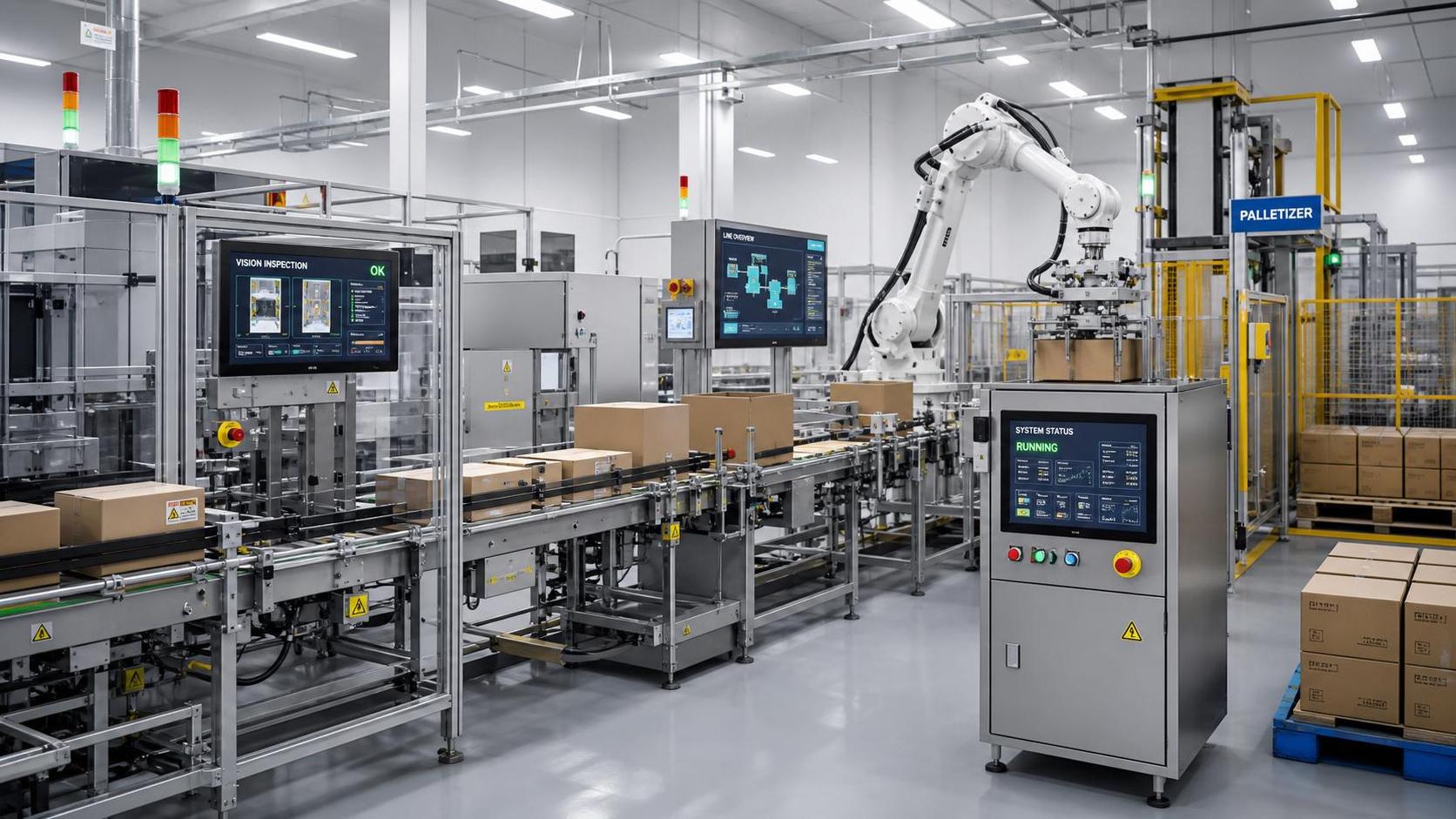
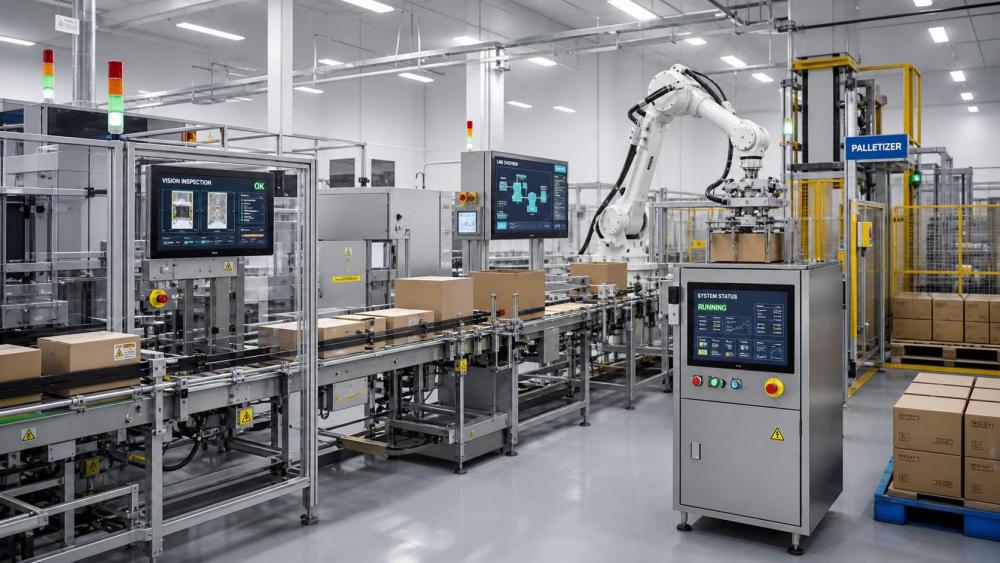
A packaging automation provider should show clear experience connecting conveyors, robots, inspection systems, coders, case packers, palletizers, and plant-level software.
The core issue is not whether they can supply hardware. It is whether they can make the full line behave predictably.
Look closely at PLC architecture, HMI consistency, safety logic, recipe management, and communication protocols.
In mixed-vendor plants, compatibility with existing standards is critical.
That includes Ethernet/IP, Profinet, OPC UA, SCADA connections, and traceability requirements.
A credible packaging automation provider will explain where integration risk sits and how they intend to reduce it.
What strong integration capability looks like
- Single responsibility for controls coordination across the full packaging cell.
- Defined interface documents for mechanical, electrical, and software handoff points.
- FAT and SAT plans that test real line scenarios, not only basic machine movement.
- Clear ownership for site commissioning, ramp-up, and fault recovery tuning.
Evaluate Process Knowledge, Not Just Automation Knowledge
Not every automation supplier understands packaging process behavior deeply enough for demanding line integration.
That gap becomes visible when materials behave unpredictably at speed.
For example, printed corrugated blanks may curl, tissue bundles may shift, and glue-set timing may affect downstream stacking.
A capable packaging automation provider connects automation design with process physics.
This is especially relevant in operations influenced by high-speed digital printing, precision die-cutting, or folder-gluer synchronization.
Providers with sector-specific knowledge usually anticipate instability before it shows up in commissioning.
That saves time, scrap, and engineering change orders.
Review Service Model and Project Execution Discipline
A packaging automation provider may offer solid equipment and still struggle during project delivery.
Execution discipline often separates reliable partners from expensive disappointments.
Ask how the supplier manages timelines, design approvals, software revisions, spare parts, and escalation during startup.
You want named accountability, not vague promises.
This also means checking local service reach, remote diagnostics capability, and availability of trained field engineers.
In real business conditions, response time can matter more than machine specification.
That is especially true for high-output packaging lines serving retail, FMCG, and e-commerce fulfillment windows.
Red flags during supplier review
- No clear commissioning scope or weak documentation standards.
- Reference sites that are outdated or too different from your production reality.
- Service teams separated from the engineering team that designed the system.
- Unclear spare parts policy, software backup process, or cybersecurity approach.
Test Scalability and Lifecycle Value
A line integration decision should still make sense three to five years from now.
That is why scalability must be part of any packaging automation provider assessment.
Can the system absorb new pack sizes, higher speeds, added inspection, robotic loading, or data integration with MES and ERP tools?
Can the controls architecture expand without a full rebuild?
A strong packaging automation provider should show a realistic upgrade path with modular thinking.
That approach supports changing sustainability targets, labor constraints, and shorter packaging development cycles.
It also reduces the risk of stranded capital when market needs shift.
Focus on total value, not only capital cost
- Estimate uptime impact, not only rated speed.
- Measure changeover labor and skill dependency.
- Review scrap rates during startup and product transitions.
- Compare preventive maintenance burden and spare consumption.
- Model future expansion cost under realistic demand scenarios.
Build a Practical Supplier Scorecard
To keep decisions objective, create a weighted scorecard before final negotiations.
This helps compare each packaging automation provider on the factors that actually affect line performance.
Typical scoring categories include technical fit, integration depth, process knowledge, project execution, service responsiveness, and lifecycle cost.
Add a risk column for assumptions that still need proof.
That keeps optimism from distorting the final selection.
More importantly, it creates a shared basis for engineering, operations, procurement, and leadership teams.
When the final choice is documented this way, the project starts with fewer hidden disagreements.
The best packaging automation provider is rarely the one with the most impressive brochure.
It is the one that understands your line, proves integration competence, manages execution well, and supports future change without unnecessary complexity.
If the evaluation stays grounded in process reality, control strategy, and lifecycle value, the final decision becomes much clearer.
Start with production facts, challenge assumptions early, and require evidence at every step. That is how a packaging automation provider earns a place in a high-performance line integration project.
Industry Briefing
Get the top 5 industry headlines delivered to your inbox every morning.
Recommended News