
Extreme Condition Seals: How to Compare Lifespan and Failure Risk
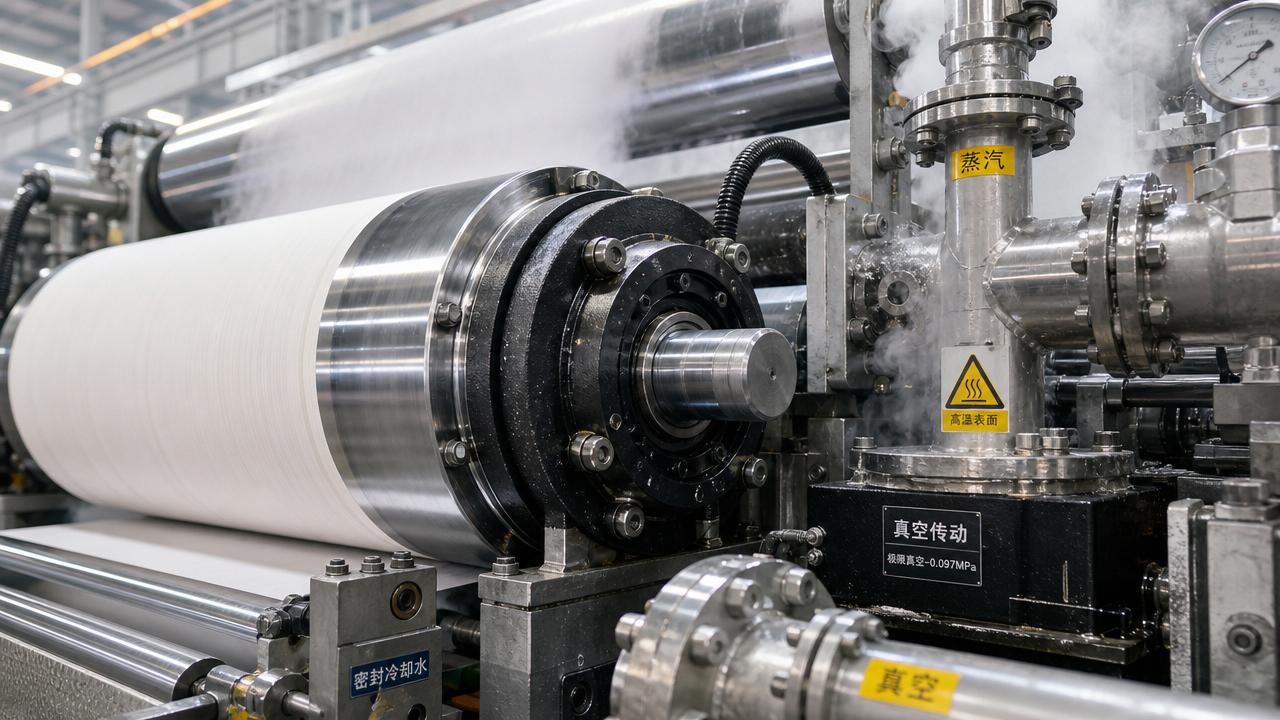
For procurement teams evaluating uptime, safety, and total cost of ownership, choosing the right Extreme Condition Seals is more than a component decision—it is a risk-control strategy. In print, paper, corrugation, converting, and tissue machinery, seals sit in places where heat, speed, pressure, steam, ink, dust, chemicals, and vibration all meet. That is exactly why seal comparison should go far beyond price per piece.
A low bid can look attractive on paper. But if a seal fails early inside a corrugator roll stand, a folder gluer vacuum circuit, or a tissue rewinder, the real cost shows up as scrap, cleaning time, emergency maintenance, and missed delivery windows. That is why smart sourcing starts with lifespan and failure risk, not unit cost alone.
Within the IPPS view of smart paper-based manufacturing, the better question is simple: which Extreme Condition Seals keep production stable under real operating stress, not just laboratory ratings? Here is how to compare them in a way that is practical and easier to defend internally.
Start with the real operating window
Before comparing brands, define the true service window. Most seal failures happen because the selected part matched nominal conditions, but not startup spikes, washdown cycles, pressure pulses, or web tension shocks.
In IPPS-covered equipment, this matters a lot. Digital printers face ink chemistry and precision motion. Corrugated lines combine steam, heat, and high tension. Folder gluers add adhesive contamination and rapid cycling. Tissue machinery brings humidity, dust, and continuous high-speed rotation.

A quick operating map makes supplier quotes far more comparable and reduces surprises later.
- List actual temperature peaks, not just average values. Many Extreme Condition Seals survive steady heat but age quickly when short thermal spikes repeat every shift.
- Record media exposure in detail, including steam, ink solvents, glue mist, cleaning agents, paper dust, and oil additives, because mixed exposure often changes seal life dramatically.
- Check shaft speed, pressure pulses, and misalignment together. A seal rated well on paper can still fail early when motion, load, and vibration stack up.
- Ask for startup and shutdown conditions. Seal wear often accelerates during dry running, cold starts, and temporary overloads rather than during stable production hours.
- Separate clean-room zones from dirty zones. Tissue and post-press lines may need different Extreme Condition Seals strategies even within the same plant.
Compare lifespan data the right way
Supplier claims about long life are common. Useful life data is rarer. The key is to compare the basis of the claim, not just the headline number.
The strongest quotes link seal life to operating hours, media type, pressure, temperature range, and maintenance intervals. If that context is missing, the number is mostly marketing.
What to ask for in lifespan evidence
- Request field-life data from applications close to corrugators, digital presses, die-cutters, folder gluers, or rewinders, not only generic pump or compressor references.
- Ask whether lifespan means first leak, loss of sealing force, dimensional wear, or full replacement. Different definitions can distort comparison of Extreme Condition Seals.
- Prefer suppliers that provide failure distribution or replacement history, because average life alone hides whether failure risk is stable or clustered too early.
- Check if the quoted life assumes perfect installation. In fast-moving maintenance environments, installation sensitivity can matter as much as material quality.
Focus on failure mode, not only material name
Many sourcing decisions stop at FKM, PTFE, HNBR, EPDM, or polyurethane. That is useful, but incomplete. Two seals made from the same material family can perform very differently because of design geometry, surface finish, spring element quality, and manufacturing consistency.
This is especially important where paper dust, abrasive particles, or sticky residues are present. In these environments, seal failure is often mechanical first, chemical second.
- Match failure mode to process reality. Heat cracking, compression set, abrasive wear, extrusion, swelling, and hardening point to different Extreme Condition Seals choices.
- Review lip design and backup support for pressure cycling. This matters in hydraulic, pneumatic, and tension-control sections where load changes happen fast.
- Inspect contamination tolerance. In corrugated and tissue lines, dust and fibers can turn a chemically compatible seal into a short-life part.
- Check friction behavior. In servo-driven print and post-press systems, excess drag can affect precision, heat buildup, and energy use over time.
A practical way to read failure risk
If a supplier says a seal lasts longer, ask what it usually looks like at end of life. A predictable wear pattern is easier to plan around than a sudden leak or burst.
For example, in steam-exposed corrugation zones, gradual hardening may be manageable with planned replacement. In an inkjet fluid path, sudden leakage may threaten printhead cleanliness, electronics, and substrate quality at once.
Look beyond purchase price to total cost
The real cost of Extreme Condition Seals is usually dominated by downtime and secondary damage. That is why total cost of ownership should be part of every comparison sheet.
- Calculate cost per operating hour, not cost per unit. A higher-priced seal often wins if it reduces shutdowns, cleanup labor, and product loss.
- Estimate secondary damage exposure. Seal failure near bearings, print modules, glue systems, or heated rolls can trigger repair costs far beyond the seal value.
- Factor in replacement labor and access time. Hard-to-reach seal points on long converting lines deserve longer-life options even at a premium price.
- Include inventory impact. Standardizing a narrower set of qualified Extreme Condition Seals can reduce emergency stocking and simplify maintenance planning.
This cost logic fits well with the IPPS view of lifecycle performance. In high-output paper-based manufacturing, stable uptime protects both margin and delivery credibility.
Check application details by machinery scenario
Industrial digital printers
In digital print systems, seal selection often interacts with fluid purity, precise droplet control, and maintenance chemistry. Small leakage events can quickly become quality issues.
Check chemical compatibility with inks, cleaning fluids, and temperature swings around printhead service stations. Here, low extractables and stable dimensions may matter more than brute pressure resistance.
Corrugated board lines
Corrugators combine steam, heat, tension, speed, and continuous operation. In this setting, Extreme Condition Seals are often judged by how calmly they survive thermal cycling and contamination.
Pay close attention to pressure surges, condensate, and abrasive paper dust. A seal with good catalog temperature resistance can still fail fast if it loses elasticity under cyclic steam exposure.
Folder gluers and post-press equipment
These machines add high-speed motion, adhesive mist, vacuum circuits, and repetitive strokes. Failure risk often comes from sticky contamination and dynamic wear, not extreme heat alone.
The best sourcing decision usually balances low friction, contamination resistance, and easy replacement. It also helps to ask whether seals remain stable after frequent cleaning routines.
Tissue processing machinery
Tissue lines run fast and continuously, often in humid conditions with airborne fibers. That combination can quietly shorten seal life even when loads seem moderate.
Check how Extreme Condition Seals perform under long running hours, washdown cycles, and rotating contact surfaces. Predictable maintenance intervals matter more here than chasing the cheapest specification.
Common gaps that distort comparison
A lot of seal evaluations go off track because key variables stay hidden until after installation. Catching these gaps early can save weeks of trial and error.
- Do not compare only catalog limits. Real machine conditions include shock loads, imperfect alignment, operator variation, and contamination that standard ratings rarely capture.
- Do not ignore certification and traceability. For global supply chains, consistent batch quality and material documentation reduce sourcing risk significantly.
- Do not separate seal choice from maintenance practice. Lubrication, installation tools, storage conditions, and cleaning chemistry all influence actual seal life.
- Do not overlook lead time volatility. The best Extreme Condition Seals on paper can still create supply risk if replenishment is too slow.
A simple decision path for stronger sourcing
A practical sourcing process does not need to be complicated. It just needs to compare the right things in the right order.
- Define the harshest real operating window first, then shortlist Extreme Condition Seals that match temperature, media, speed, pressure, and contamination exposure.
- Request application-specific evidence next, including field-life data, failure mode details, and installation sensitivity for similar print or paper equipment.
- Compare total operating cost after that, including downtime risk, labor, scrap, cleaning, spare stock, and secondary equipment exposure.
- Run a controlled trial on the most failure-prone position before wider rollout. One well-chosen test point usually reveals the real winner quickly.
- Standardize only after the trial confirms predictable life and low failure risk across shifts, maintenance teams, and production loads.
When comparing Extreme Condition Seals, the best decision is rarely the one with the lowest piece price. It is the one that holds performance under stress, fails predictably if it must fail, and protects output across the full process chain.
For operations tied to digital printing, corrugation, post-press converting, and tissue production, that approach aligns closely with the IPPS mission: maximize lifecycle yield, reduce avoidable downtime, and support smarter paper-based manufacturing. The next step is simple—build a one-page comparison sheet using operating window, failure mode, field-life evidence, and total cost, then let the data narrow the choice with confidence.
Industry Briefing
Get the top 5 industry headlines delivered to your inbox every morning.
Recommended News