
Tissue Machinery Upgrades That Reduce Downtime Fast
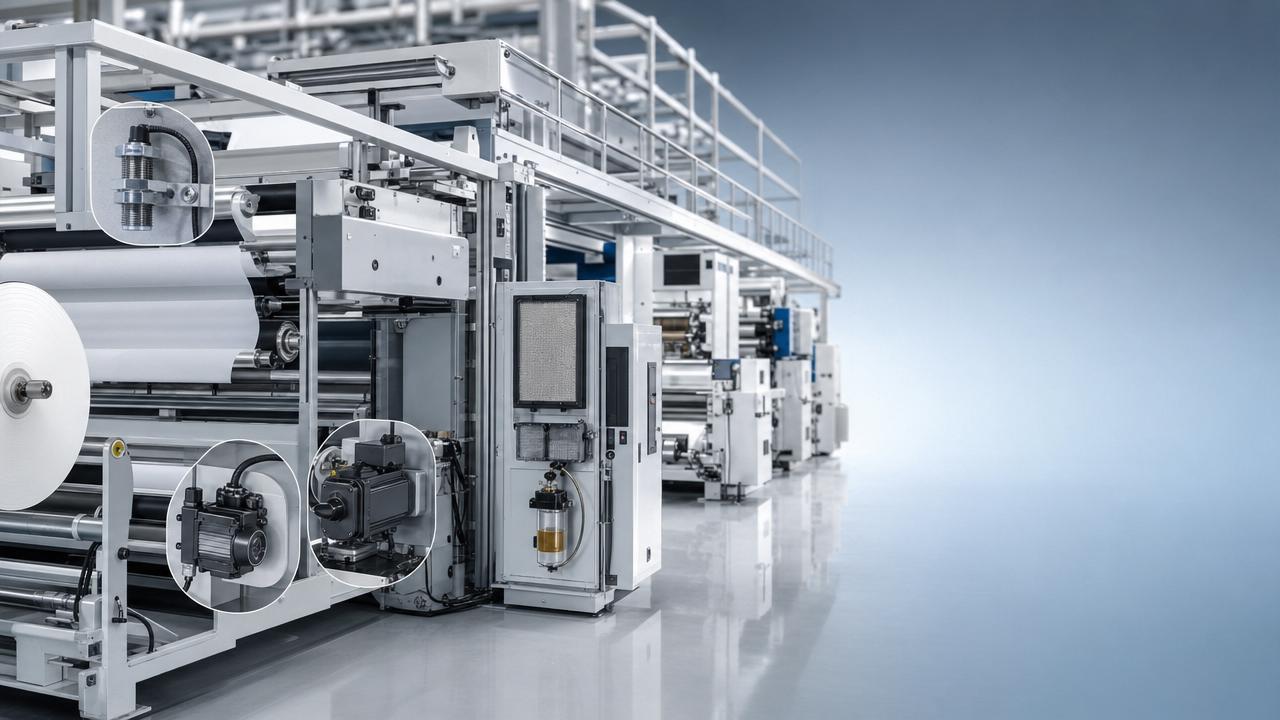
For after-sales maintenance teams, unplanned stoppages on tissue machinery can quickly erode output, service credibility, and customer confidence. The fastest gains often come from targeted upgrades rather than full replacement. In many converting and processing environments, a few focused changes to sensing, controls, lubrication, drives, and wear components can cut recurring faults in weeks, not years. This article explains which tissue machinery upgrades reduce downtime fast, how to prioritize them, and what to check before investing.
Why a structured upgrade review matters for tissue machinery
Tissue machinery usually runs at high speed with tight tolerances across unwinding, embossing, perforating, rewinding, log sawing, bundling, and packaging. Downtime rarely comes from one dramatic failure alone. More often, it grows from small weaknesses: unstable web tracking, contamination on sensors, delayed alarms, inconsistent tension, premature bearing wear, or hard-to-source mechanical parts. A structured review helps isolate the upgrades that create immediate uptime gains.
This matters across the broader print and paper systems industry as well. IPPS tracks how automation, precision controls, and predictive intelligence reshape paper-based production from digital print through corrugation to tissue converting. In tissue machinery, the same principle applies: stronger machine intelligence and better component reliability reduce waste, protect throughput, and improve service responsiveness without the cost and disruption of replacing an entire line.
Priority upgrade points that reduce downtime fast
Use the following points to evaluate which tissue machinery upgrades will deliver the quickest operational return. Focus first on fault frequency, recovery time, spare-part availability, and whether the issue affects upstream and downstream equipment at the same time.
- Replace aging photoelectric and proximity sensors with sealed, higher-stability models that resist dust, vibration, and paper lint while improving fault detection accuracy.
- Upgrade PLC logic and HMI alarm design so operators see the real fault source, interlock status, and restart sequence without losing time in trial-and-error resets.
- Add condition monitoring for bearings, motors, and gearboxes using vibration and temperature inputs to catch failure patterns before breakdown stops the line.
- Improve web tension control with modern load cells, dancer feedback, and drive tuning to reduce web breaks, wrinkles, and unstable rewinding on tissue machinery.
- Convert critical lubrication points to automatic systems that maintain consistent grease or oil delivery and reduce damage caused by missed manual maintenance intervals.
- Standardize high-wear consumables such as blades, belts, rollers, seals, and couplings to shorten replacement time and simplify spare-part stocking.
- Upgrade servo drives and motion components in cut-off, log saw, and packaging sections where synchronization errors often create jams and cascading stoppages.
- Install remote diagnostics capability for tissue machinery so service teams can review alarm history, parameter drift, and IO status before arriving on site.
- Improve electrical cabinet cooling, filtration, and wiring labeling to prevent nuisance trips, overheating, and long troubleshooting delays during urgent maintenance calls.
- Retrofit safety circuits and access logic to allow safer, faster recovery from jams while maintaining compliance and avoiding extended locked-out restart procedures.
How to rank upgrade opportunities on tissue machinery
Not every issue deserves immediate capital spending. The best upgrade candidates share four traits: they fail often, they stop more than one section, they take too long to diagnose, and they have a known technical fix. For example, a low-cost sensor change may outperform a larger mechanical rebuild if the sensor causes repeated false stops across the line.
A practical ranking method is to score each tissue machinery issue by downtime hours per month, scrap impact, mean time to repair, and restart complexity. Then compare that score with upgrade cost and installation disruption. This keeps attention on fast-payback projects such as controls refreshes, monitored bearings, and spare-part standardization instead of broad modernization plans with slower returns.
Upgrade considerations by operating scenario
Older tissue machinery with obsolete electrical parts
When tissue machinery is mechanically sound but electrically outdated, downtime often comes from obsolete IO modules, unsupported HMIs, failing relays, or scarce drive boards. In this case, a selective controls retrofit usually brings fast results. Focus on replacing components with long-term support, documenting every circuit change, and creating a verified backup of all parameters and software revisions.
It is also important to redesign alarm hierarchy. Many older systems produce generic stop messages that force technicians to spend too much time tracing the first failed device. Better diagnostics can reduce recovery time even before deeper mechanical work is done.
High-speed tissue machinery with repeated web handling faults
If the main problem is web breakage, wrinkles, telescoping rolls, or unstable embossing feed, review the tension loop first. Load cells may be drifting, dancers may be sticking, and drive tuning may no longer match actual production speeds or paper grades. In these situations, upgrading controls and rollers can reduce stops far faster than replacing complete stations.
Check the entire material path, not just the last failure point. Tissue machinery behaves as a connected system, so a slight upstream variation can trigger downstream rewinder and packaging issues. Better trend data often reveals that “random” stops are actually repeatable tension events.
Lines suffering from jam recovery delays
On packaging, bundling, or log saw sections, the biggest loss may not be fault frequency but recovery duration. Here, upgrades should target access design, servo homing logic, jam detection, and restart sequencing. Faster visual indicators, zone-specific reset conditions, and recipe-based recovery routines can save significant time on every event.
This is especially useful when one short jam forces multiple downstream devices to wait for manual confirmation. Tissue machinery with segmented restart logic can return partial sections to operation sooner and avoid prolonged idle time.
Commonly overlooked issues that slow tissue machinery recovery
One common oversight is poor spare-part rationalization. A line may contain too many similar but non-interchangeable sensors, bearings, belts, or blades. That makes tissue machinery maintenance slower because technicians must verify exact parts during every stop. Standardization cuts both search time and inventory complexity.
Another neglected issue is environmental contamination inside cabinets and around sensing devices. Tissue dust, vibration, humidity, and heat shorten component life and destabilize signals. Simple enclosure sealing, positive-pressure filtration, or improved cable routing can prevent recurring electrical faults that seem harder than they really are.
A third risk is upgrading hardware without updating maintenance procedures. New sensors, drives, or lubrication systems only reduce downtime if inspection routines, alarm limits, and replacement intervals are revised accordingly. Otherwise, the tissue machinery remains vulnerable because people continue using outdated service habits.
Cybersecurity and backup discipline are also frequently missed. Modern remote access and networked diagnostics are valuable, but only when user permissions, change logs, and offline backups are controlled. Losing drive parameters or PLC files after an electrical event can extend tissue machinery downtime far beyond the original fault.
Practical execution steps for fast, low-risk upgrades
- Extract twelve months of stoppage data from the tissue machinery line and sort failures by frequency, duration, and section affected.
- Select the top three repeat causes and confirm whether they are electrical, mechanical, controls-related, or operator-interface problems.
- Choose upgrades that can be installed during planned downtime and that do not create unnecessary dependency on custom parts.
- Test alarm logic, restart sequence, and parameter backups before startup so the upgrade reduces risk instead of adding commissioning delays.
- Measure results after installation using mean time between failure, mean time to repair, scrap rate, and restart consistency.
For broader industrial print and paper operations, this disciplined approach reflects the same intelligence-led philosophy promoted by IPPS: connect machine behavior, process data, and maintenance action into one usable decision loop. Whether the asset is a digital printer, corrugated board line, or tissue machinery platform, targeted technical visibility produces stronger uptime than reactive repair alone.
FAQ about tissue machinery upgrades
Which tissue machinery upgrade usually pays back fastest?
In many cases, sensor replacement, HMI alarm redesign, and condition monitoring deliver the fastest payback because they reduce diagnosis time and nuisance stops with limited installation complexity.
Should older tissue machinery always be fully retrofitted?
No. If the frame, rollers, and core process sections remain sound, selective upgrades often restore reliability faster and at lower cost than a full retrofit.
How can downtime reduction be verified?
Track pre- and post-upgrade data for stoppage count, repair time, web break frequency, scrap, and restart success. Tissue machinery improvement should be measured, not assumed.
Final takeaways and next actions
The best tissue machinery upgrades are not always the largest ones. Fast downtime reduction usually comes from focused improvements in sensing, controls, tension management, lubrication, diagnostics, and spare-part strategy. These changes strengthen reliability where faults start and shorten recovery when stoppages still occur.
Start with a ranked failure list, match each issue to a practical technical fix, and schedule upgrades that fit normal maintenance windows. When tissue machinery decisions are driven by real stoppage patterns and supported by better machine intelligence, uptime gains become visible quickly and remain sustainable over the long term.
Industry Briefing
Get the top 5 industry headlines delivered to your inbox every morning.
Recommended News