
Green Paper-Based Civilization: Is It Changing Packaging Strategy
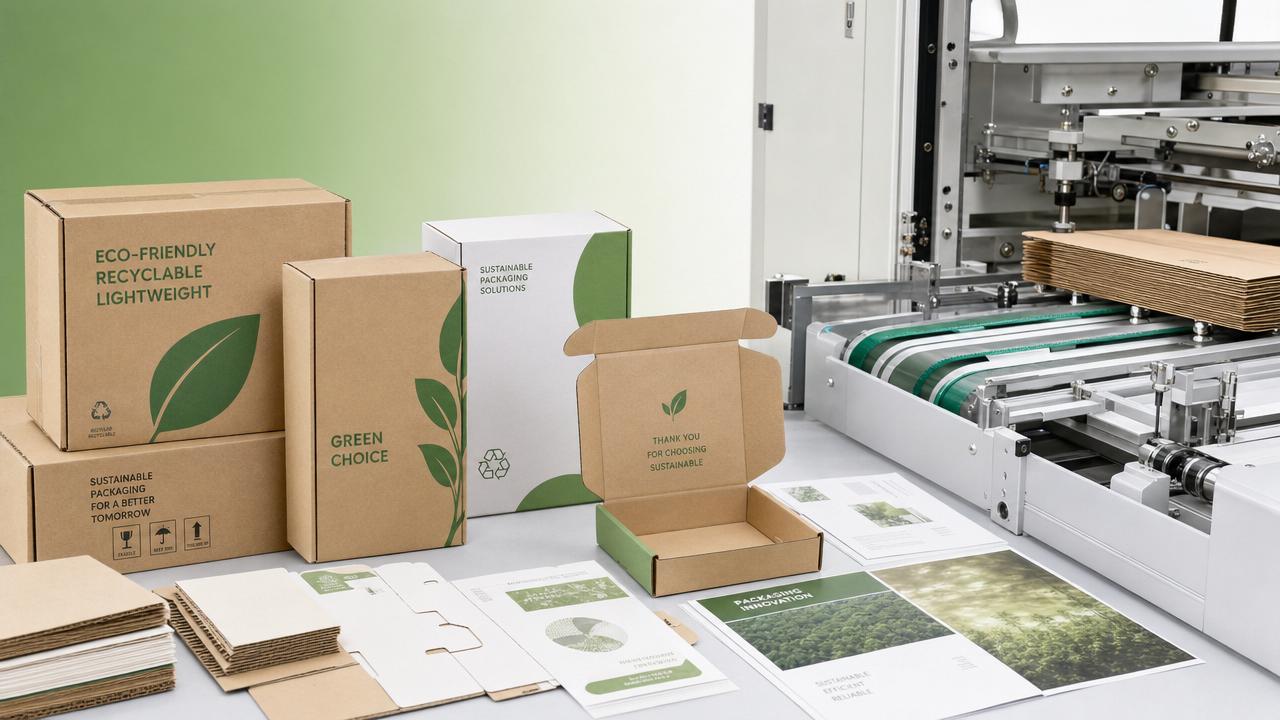
As sustainability targets tighten and e-commerce reshapes supply chains, green paper-based civilization is becoming a decisive force in packaging strategy. The change is no longer limited to switching from plastic to fiber. It now reaches design logic, printing flexibility, corrugated engineering, post-press precision, automation, and compliance management. Across the broader industrial landscape, packaging is being evaluated not only by cost and protection, but also by carbon intensity, recyclability, data responsiveness, and brand communication value. In that context, green paper-based civilization is emerging as a strategic framework that connects material choice with digital production capability and global market access.
Why green paper-based civilization is moving from concept to packaging strategy
The strongest signal is that packaging decisions are now being shaped by multiple forces at once. E-commerce requires lighter, stronger, and more adaptable shipping formats. Brand owners want shorter runs, personalization, and faster campaign updates. Regulators are pushing traceability, recycled content, and forest-source transparency through frameworks such as FSC and EUDR. At the same time, operating environments remain volatile, with paper price movements, energy costs, and labor constraints affecting every conversion step.
This is why green paper-based civilization matters beyond sustainability messaging. It offers a practical response to modern packaging complexity. Paper-based systems can now be optimized through industrial digital printers, corrugated board lines, die-cutting and stamping equipment, automatic folder gluers, and intelligent tissue-related converting technologies where hygiene packaging is involved. When these systems are integrated, packaging becomes more than a protective shell. It becomes a responsive, measurable, and scalable business asset.
The broader implication is clear: companies are no longer asking whether paper can replace part of plastic usage. They are asking how far green paper-based civilization can improve speed to market, reduce material waste, support premium presentation, and maintain operational stability under stricter global standards.
The trend signals are becoming measurable across production and logistics
Several measurable signals show that this shift is not temporary. Short-run digital printing demand is increasing because brands need versioning, regional adaptation, and campaign testing without plate-making delays. Corrugated board demand is expanding with e-commerce fulfillment and secondary transport packaging. At the same time, packaging buyers are placing greater value on lightweight structures, efficient folding, stronger bonding, and reduced empty space in shipping cartons.
In practical terms, green paper-based civilization is changing what “good packaging” means. It is no longer enough to produce a visually acceptable box. Packaging now needs to balance crush resistance, print clarity on uneven substrates, efficient converting, clean gluing performance, and easier recycling after use. This creates a stronger role for intelligence platforms such as IPPS, where the interaction between equipment capability, substrate behavior, and market demand can be analyzed as one connected system rather than isolated functions.
Key trend signals now shaping decisions
- Growth in on-demand digital printing for SKU variation and localized packaging.
- Rising use of corrugated formats for transport efficiency and damage reduction.
- Greater emphasis on recyclable mono-material or simplified paper-based structures.
- Increased scrutiny of paper sourcing, emissions, and adhesive performance.
- Higher demand for automation as labor costs and quality consistency pressures rise.
What is driving green paper-based civilization in the real economy
The momentum behind green paper-based civilization comes from a combination of policy pressure, consumer expectations, and equipment innovation. Importantly, these drivers reinforce one another. Better machinery makes paper-based packaging more competitive; stronger regulations accelerate adoption; faster e-commerce cycles reward packaging systems that can adapt quickly without adding waste.
How the shift affects core packaging functions and business performance
The operational impact of green paper-based civilization is broad. In design, teams must think in terms of structure efficiency, material reduction, and print adaptability at the same time. In production, substrate behavior becomes more important because paper surfaces, flute profiles, moisture response, and bonding conditions directly affect output quality. In logistics, the focus shifts toward compression strength, void minimization, pallet efficiency, and return-friendly formats.
There is also a financial effect. Digital print systems can reduce obsolete inventory and setup waste. Advanced corrugated lines can improve board consistency while enabling lightweighting. Precision die-cutting and stamping can lift shelf impact without relying on mixed materials that complicate recycling. Automatic folder gluers can stabilize quality at high speed and reduce labor sensitivity. Together, these capabilities turn green paper-based civilization into a model for balancing sustainability goals with margin discipline.
Impact by packaging function
- Printing: More demand for variable data, shorter runs, and high-quality color on paper-based substrates.
- Board forming: Stronger need for lightweight but durable flute structures that perform in transit.
- Post-press converting: Greater importance of accurate creasing, cutting, and decorative finishing without harming recyclability.
- Folding and gluing: Need for reliable bonding curves, fast setup, and reduced defect rates in high-volume runs.
- Quality intelligence: More value in monitoring tension control, ink behavior, material variation, and production yield in real time.
Where attention should focus as green paper-based civilization scales
As adoption expands, several decision points deserve close attention. The first is compatibility across the production chain. A recyclable concept can still fail if the board surface does not match printhead performance, if the crease profile causes cracking, or if adhesive selection weakens recoverability. The second is data visibility. Packaging systems now need better insight into substrate quality, machine settings, waste sources, and compliance documentation. The third is scalability: a successful pilot must be repeatable across regions, formats, and order volumes.
Priority focus areas
- Verify paper substrate performance under real print, crease, and shipping conditions.
- Assess whether digital printing can replace part of conventional volume without quality compromise.
- Review corrugated flute choice against lightweighting and compression targets.
- Evaluate glue systems, glue-free options, and bonding stability for recycling-friendly formats.
- Track FSC, EUDR, and related sourcing documentation as part of packaging readiness.
- Connect machine intelligence with waste reduction, uptime, and total packaging cost analysis.
A practical decision path for the next stage of packaging strategy
A useful response to green paper-based civilization is not a one-time material substitution project. It is a staged operating model. Start with a packaging portfolio review to identify high-volume, high-waste, or regulation-sensitive formats. Then match those formats with the right production capabilities, including digital print flexibility, corrugated strength design, and post-press automation. Finally, measure outcomes through yield, damage rate, setup time, material consumption, and compliance readiness rather than relying on isolated sustainability claims.
The packaging future will not be defined by material headlines alone. It will be defined by how intelligently paper-based systems are engineered, printed, converted, and scaled. That is the real promise of green paper-based civilization: not just greener packaging, but smarter packaging strategy. With the right intelligence framework, such as the cross-process insights emphasized by IPPS, businesses can translate sustainability pressure into stronger packaging economics, better product protection, and more credible market positioning.
The next practical step is to review existing packaging lines through a connected lens: substrate, print technology, corrugation profile, post-press precision, automation level, and compliance traceability. That approach turns green paper-based civilization from a broad industry narrative into a measurable roadmap for packaging performance, resilience, and long-term growth.
Industry Briefing
Get the top 5 industry headlines delivered to your inbox every morning.
Recommended News