
Tissue Converting Machines: Output Bottlenecks to Fix First
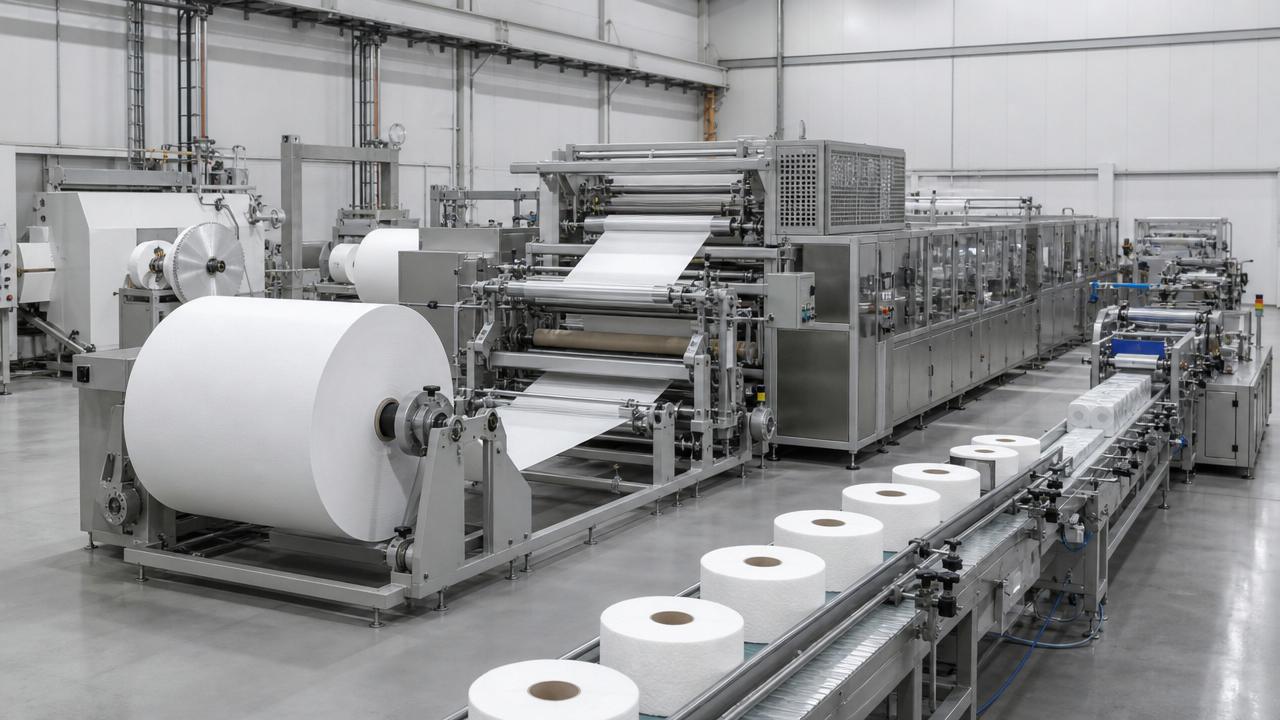
In tissue converting machines, output losses rarely begin with one dramatic breakdown. They usually come from small restrictions repeated across unwinding, embossing, rewinding, log sawing, and packing.
When these restrictions stack up, line speed drops, waste rises, and finished rolls become less consistent. That directly affects cost per ton, delivery stability, and asset utilization.
For modern paper-based manufacturing, the fastest gains often come from fixing the first output bottlenecks. In tissue converting machines, early-stage diagnosis protects both throughput and product quality.
What tissue converting machines include in a production line
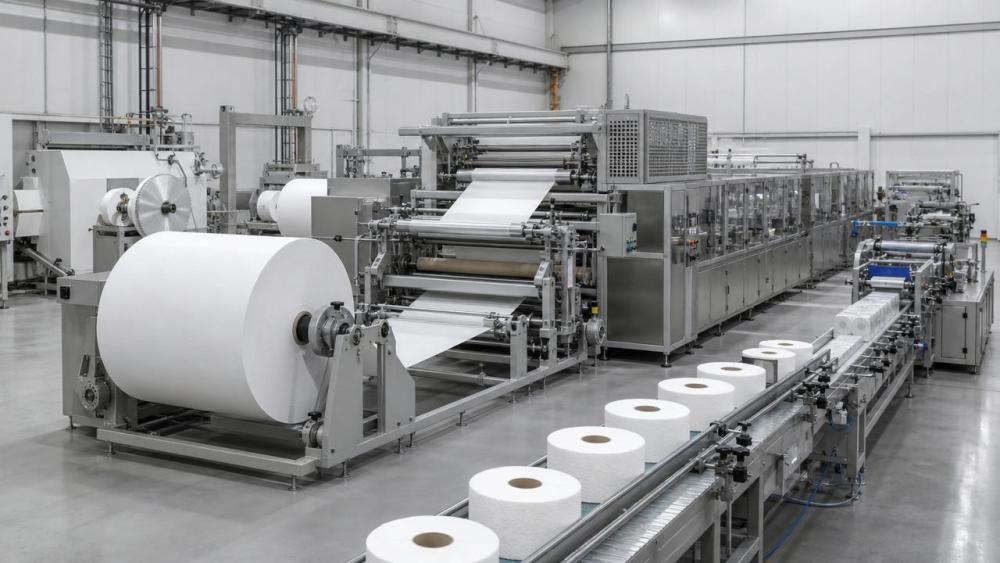
Tissue converting machines turn parent reels into sale-ready products. They combine motion control, web handling, embossing, perforation, rewinding, cutting, and final packaging in one connected process.
A standard line may include unwind stands, web guides, laminators, embossers, perforation units, rewinders, log accumulators, saws, bundlers, case packers, and inspection systems.
Because every stage depends on upstream stability, a minor speed mismatch can spread quickly. That is why bottleneck analysis in tissue converting machines must start from line balance, not isolated equipment.
Core performance indicators
- Net line speed versus design speed
- Overall equipment effectiveness and uptime
- Roll firmness, diameter accuracy, and perforation quality
- Trim loss, broke rate, and packaging rejects
- Changeover time between SKUs and formats
Current industry signals shaping output priorities
Across the broader print and paper sector, production teams are under pressure to increase flexibility while controlling fiber cost, energy use, and labor exposure.
That pressure is especially visible in tissue converting machines, where hygiene demand remains steady but product variation keeps growing. Premium embossing, compact packs, and private-label runs increase process complexity.
At the same time, digital monitoring is becoming standard. Intelligent diagnostics now connect web tension behavior, servo response, adhesive use, and pack-out efficiency in one data view.
The first output bottlenecks to fix in tissue converting machines
Not every loss deserves equal attention. In most tissue converting machines, the first bottlenecks appear in web stability, speed synchronization, and downstream discharge capacity.
1. Unwinding and web tension instability
Poor parent reel quality or weak tension control causes wrinkles, web breaks, and registration drift. These issues force frequent slowdowns before the line reaches target speed.
Start by checking brake response, dancer movement, load cell calibration, splice quality, and edge guiding. Stable unwinding gives every downstream unit a better operating window.
2. Embossing and lamination pressure mismatch
Embossing can become a hidden speed limiter. Uneven nip pressure, worn rolls, or unstable ply bonding may reduce visual quality and create recurring stops for adjustment.
If premium patterns are required, confirm that pressure settings, adhesive dosage, and web path geometry support design speed without crushing bulk or distorting perforation pitch.
3. Rewinder acceleration and roll hardness variation
Many tissue converting machines lose output in the rewinder. Excessive acceleration ramps, poor core feed timing, or loose hardness control create rejected logs and unstable transfer.
Measure actual versus commanded speed profiles. Then compare hardness variation by SKU. Often, software tuning solves more output loss than adding raw motor power.
4. Log saw throughput and blade-related stops
A high-speed front end means little if the log saw cannot clear volume. Dull blades, vibration, dust accumulation, and poor log spacing quickly turn the saw into a bottleneck.
Watch for uneven cut faces, rising dust load, and intermittent jams. These are early signals that the line is producing faster than the cutting section can stabilize.
5. Packaging discharge congestion
The last meters of the line often decide the real output. Film feeding faults, sealing delays, or accumulation limits can force the entire machine to cycle down.
In many tissue converting machines, packaging availability is the final constraint. Improve sensor logic, lane balancing, and reject handling before increasing upstream speed targets.
Where output gains create the strongest business value
Fixing the first bottlenecks does more than raise hourly output. It improves line predictability, which matters for planning, inventory flow, and customer service performance.
For integrated paper operations, better tissue converting machines also support energy discipline and material efficiency. Fewer restarts reduce broke, compressed air waste, and operator intervention.
- Higher saleable output without expanding floor space
- Lower reject rate across rolls, logs, and packs
- More stable premium product quality
- Faster payback from targeted retrofits
- Better data for future automation decisions
Typical bottleneck patterns by product and line configuration
Different product formats stress tissue converting machines in different ways. A useful diagnosis compares bottlenecks by product family, not only by machine section.
A practical method to prioritize upgrades
A disciplined sequence prevents overspending. Many tissue converting machines can recover capacity through controls, maintenance, and line balancing before major replacement projects.
- Map actual downtime by section, shift, and SKU.
- Separate chronic speed loss from random stoppages.
- Confirm whether the true bottleneck moves during changeovers.
- Fix low-cost tension, blade, and sensor issues first.
- Use data before choosing servo, rewinder, or packaging retrofits.
What to avoid
- Increasing front-end speed while the packer remains constrained
- Judging line health only by average speed
- Ignoring product quality losses hidden inside output data
- Applying one setting across different grades and emboss patterns
Next-step actions for stronger line performance
The best improvement path begins with evidence. Review alarms, speed curves, reject trends, and maintenance history for each section of the tissue converting machines line.
Then rank losses by output impact and recovery cost. Usually, the first wins come from web tension stability, rewinder tuning, saw upkeep, and packaging synchronization.
For organizations tracking broader paper equipment performance, this approach fits well with IPPS intelligence methods: connect machine behavior, process data, and commercial outcomes in one upgrade roadmap.
When tissue converting machines run with balanced sections and clear diagnostics, capacity increases become measurable, quality becomes repeatable, and ROI improves with far less risk.
Industry Briefing
Get the top 5 industry headlines delivered to your inbox every morning.
Recommended News