
Automated Packaging Systems ROI: Costs, Downtime, Payback
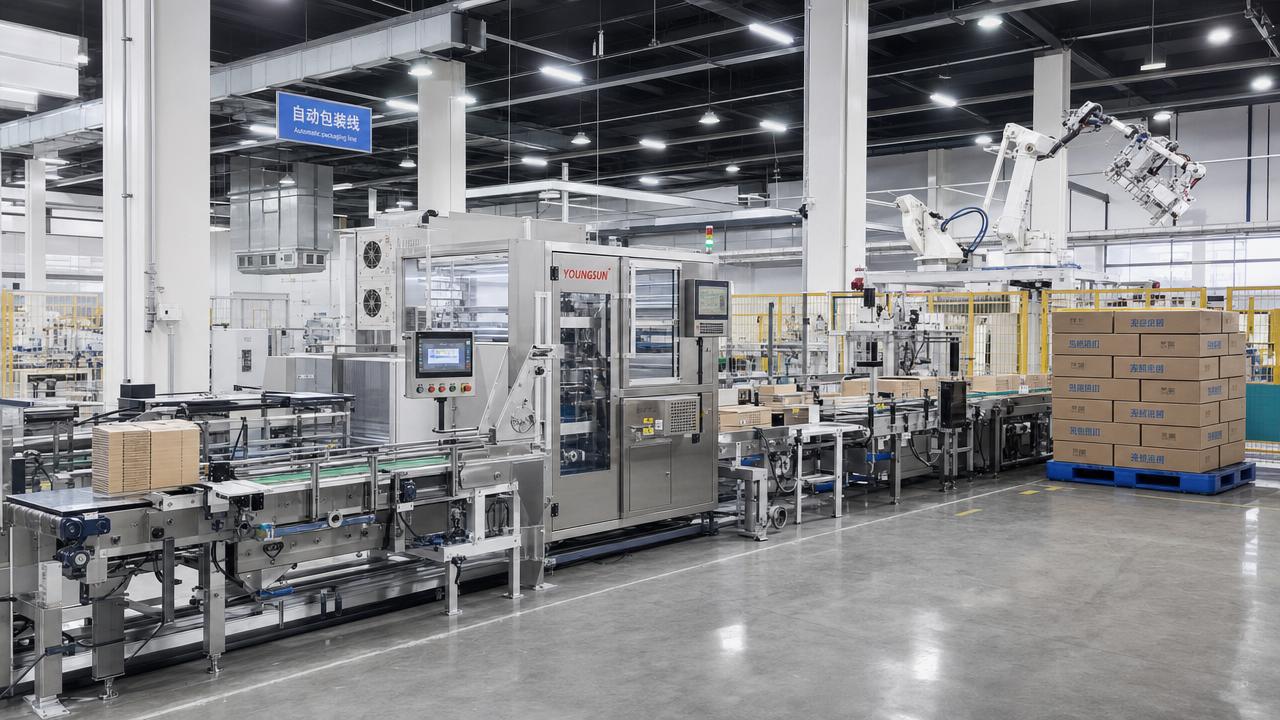
For financial decision-makers, investing in automated packaging systems is not just a productivity upgrade—it is a capital allocation decision that must be justified by measurable returns. This article examines total costs, hidden downtime risks, labor impact, and payback timelines, helping you evaluate whether automation can strengthen margins, improve operational resilience, and support long-term growth in packaging and paper-based production.
What do automated packaging systems really include?
Automated packaging systems cover more than one machine. They usually combine feeding, forming, sealing, labeling, coding, inspection, and end-of-line handling.
In paper-based production, they often connect folder gluers, case packers, robotic palletizers, vision systems, conveyors, and software dashboards.
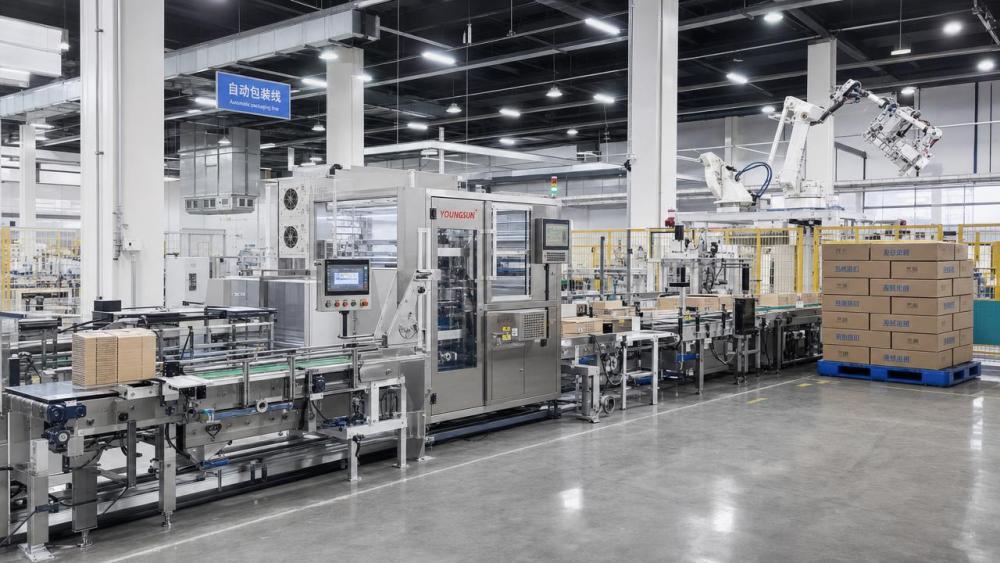
The ROI discussion changes when automation is line-wide. A fast machine alone may not improve profit if upstream printing or downstream packing becomes the bottleneck.
That is why automated packaging systems should be evaluated as a flow architecture, not as isolated equipment.
Which functions usually affect ROI the most?
- Automatic changeover for short-run packaging
- Inline inspection that reduces defects and rework
- Integrated data collection for OEE tracking
- Stable gluing, sealing, and stacking performance
- Reduced manual handling between processes
For IPPS-related operations, these factors matter because digital print variability, corrugated flute strength, and post-press precision all influence final packaging efficiency.
What costs should be counted before calculating automated packaging systems ROI?
The purchase price is only the visible layer. True automated packaging systems ROI depends on total cost of ownership over several years.
Direct costs
- Equipment purchase and engineering design
- Installation, commissioning, and line integration
- Controls, sensors, safety systems, and software licenses
- Training, spare parts, and maintenance contracts
- Utility upgrades such as air, power, and network capacity
Hidden costs
- Production loss during installation or ramp-up
- Package redesign for machine compatibility
- Higher-grade consumables for stable running
- IT integration with ERP, MES, or traceability systems
- Floor layout changes and internal logistics adjustments
In corrugated and folding carton environments, one overlooked cost is substrate inconsistency. Board warp, moisture variation, or print registration drift can reduce automation performance.
If automated packaging systems require tighter material tolerances, the cost model must include process control improvements upstream.
How does downtime change the real payback period?
Downtime is often the biggest gap between expected ROI and actual ROI. A line that runs faster on paper can still underperform financially.
Automated packaging systems can reduce labor dependency, but they also create concentrated failure points if maintenance discipline is weak.
Common downtime sources
- Sensor contamination from paper dust or glue mist
- Changeover errors across different box formats
- Mismatch between machine speed and material stability
- Insufficient preventive maintenance scheduling
- Software faults or poor line synchronization
A useful approach is to model three scenarios: planned throughput, stabilized throughput, and stressed throughput. Payback should be tested against all three.
For example, if a system promises 25% higher output, but unplanned stops remove 12% of runtime, the economic gain narrows quickly.
That is especially true in e-commerce packaging, where order volatility and SKU variety increase line interruptions.
How can downtime risk be reduced?
- Audit current stoppage patterns before buying new equipment.
- Request uptime data under similar substrate and SKU conditions.
- Build spare parts plans for critical wear components.
- Use phased commissioning instead of instant full-line dependence.
- Set operator training around fault recovery, not only normal production.
When do automated packaging systems deliver the strongest labor and margin impact?
The strongest value appears when labor cost, turnover, repetitive handling, or quality inconsistency already erode margins.
Automated packaging systems often improve margins through several smaller gains, not one dramatic saving.
Typical financial benefits
- Lower direct labor per packaged unit
- Less scrap from poor folding, sealing, or coding
- Higher consistency for retail-ready presentation
- Better throughput during peak demand periods
- Safer operations with fewer manual touchpoints
In print and paper sectors, automation also protects value created upstream. Poor downstream handling can damage precisely printed, cut, or glued products.
That means automated packaging systems may preserve premium quality, not just reduce headcount exposure.
Where is the payback usually faster?
Payback is often faster in high-volume runs, multi-shift operations, labor-constrained regions, and facilities with frequent packaging repetition.
It can also be attractive in short-run digital packaging if changeovers are automated and setup waste is reduced.
How should payback be calculated for automated packaging systems?
A simple payback formula divides total investment by annual net benefit. However, the assumptions behind annual benefit must be tested carefully.
A better model also considers net present value, maintenance escalation, and productivity ramp-up over time.
For many automated packaging systems, realistic payback falls between 18 and 48 months, depending on complexity and utilization.
What mistakes commonly distort automated packaging systems ROI?
Several mistakes appear repeatedly in packaging investment reviews. Most are caused by incomplete process mapping rather than bad technology.
Frequent ROI errors
- Buying for peak speed instead of stable throughput
- Ignoring material variation in paper and board
- Assuming labor savings without redeployment planning
- Underestimating startup learning curves
- Treating software and data integration as optional
Another mistake is evaluating automated packaging systems without linking them to strategic goals such as sustainability, traceability, or service-level reliability.
In modern paper-based supply chains, resilience matters almost as much as pure unit cost.
FAQ: how can automated packaging systems be judged quickly?
Automated packaging systems create the best financial outcome when they align with product flow, material behavior, and demand patterns.
A disciplined review should test capital cost, downtime risk, labor effect, quality gains, and upstream compatibility together.
For packaging and paper-based operations, the smartest next step is a line-level ROI audit built on actual stoppage data, substrate conditions, and order mix.
That approach turns automated packaging systems from a broad promise into a measurable growth decision with defendable payback.
Industry Briefing
Get the top 5 industry headlines delivered to your inbox every morning.
Recommended News