
Flexographic Printing vs Digital for Short-Run Cartons
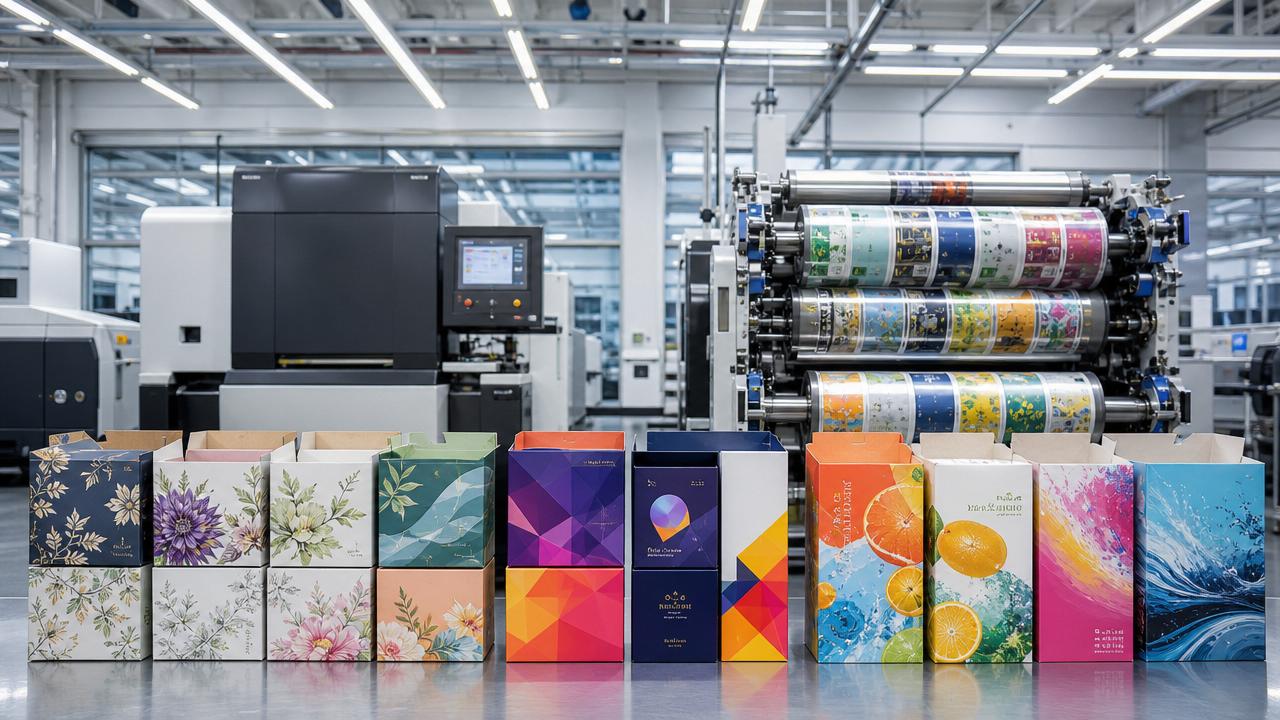
When evaluating short-run carton production, the choice between flexographic printing and digital printing directly affects unit cost, turnaround, customization, and sustainability. For business evaluators, understanding where each technology creates value is essential. This article compares both methods through a practical commercial lens, helping packaging decision-makers identify the right fit for changing order volumes, brand demands, and production efficiency goals.
What business evaluators really need to know first
The core search intent behind “Flexographic Printing vs Digital for Short-Run Cartons” is not technical curiosity alone. It is a commercial decision question: which process delivers better value for short runs.
For most buyers, the short answer is clear. Digital printing usually wins when order quantities are low, versioning matters, and lead time is critical. Flexographic printing becomes stronger as volume rises.
That said, the right choice depends on more than print quality or speed. Business evaluators usually care about total delivered cost, operational fit, supply chain responsiveness, waste, and risk.
They also want to know where the break-even point sits. In other words, at what run length does flexographic printing start to outperform digital for folding cartons.
This is the practical comparison that matters. The discussion should focus less on generic process definitions and more on setup cost, changeover time, SKU complexity, and capacity planning.
Why short-run carton economics are different from traditional packaging jobs
Short-run cartons behave differently because fixed costs matter more. Plate making, press setup, color calibration, and material preparation can dominate the economics of a small job.
That is where digital technology changes the equation. Without printing plates, it removes a major upfront cost and shortens the path from artwork approval to finished cartons.
Flexographic printing, by contrast, carries preparation steps that are highly efficient once production is running. But those same steps can make very small orders less attractive.
For business teams managing product launches, seasonal promotions, or regional packaging variants, this distinction is critical. A cheaper unit rate on paper may still mean a worse business result.
If the job requires multiple design versions, rapid replenishment, or late-stage artwork updates, the value of flexibility often exceeds the value of a lower high-volume print cost.
Flexographic printing: where it creates value in carton production
Flexographic printing remains an important process because it is proven, scalable, and cost-effective for repeatable production. It performs especially well when carton designs are stable and order volumes are predictable.
In many industrial packaging environments, flexo also fits well into integrated converting lines. That can support high throughput, consistent output, and efficient long-run production planning.
Another strength is substrate versatility. Flexographic printing can handle a broad range of paperboard and corrugated surfaces, making it valuable across mixed packaging portfolios.
For companies with established SKUs and frequent reorders, the cost of plates can be spread over larger volumes. Once that happens, the unit economics often become very competitive.
Flexo also supports strong solid coverage and dependable color performance when workflows are controlled well. For mainstream branding, that reliability is often more important than novelty.
However, the method is less comfortable when changeovers are frequent and order quantities are small. Every version change can introduce extra preparation, inventory pressure, and scheduling complexity.
Digital printing: where it changes the business case
Digital printing is built for responsiveness. It allows carton producers to move from approved file to production with minimal setup, making it ideal for compressed timelines.
Its biggest advantage in short runs is not simply lower setup labor. It is the ability to print exactly what is needed, when it is needed, without plates or excess inventory.
That matters for brands managing many SKUs, market tests, limited editions, or localized packaging. Instead of printing large safety volumes, they can order closer to actual demand.
Digital printing also supports versioning and variable content more naturally. Campaign-based graphics, language variations, and retailer-specific designs become easier to execute without separate tooling.
From a business perspective, this can reduce obsolescence. If artwork changes due to regulation, promotion updates, or branding refreshes, fewer printed cartons are left stranded in stock.
The result is a different value model. Even when per-unit print cost appears higher, the total commercial outcome can be better because waste, delay, and inventory exposure are lower.
Cost comparison: setup, unit price, and total landed value
Business evaluators should avoid comparing flexographic printing and digital printing on unit price alone. That is the most common mistake in short-run carton sourcing decisions.
Flexo typically has higher upfront costs due to plates, make-ready, and setup time. But after those costs are absorbed, the incremental cost per carton often declines quickly.
Digital usually starts with a lower entry cost because there are no plates and less mechanical setup. That makes small jobs easier to justify financially and operationally.
The key is the break-even run length. This threshold varies by artwork complexity, substrate, number of versions, finishing requirements, and local labor structure.
For a simple repeat job, flexo may become cheaper at a moderate run size. For a campaign with several design variants, digital may remain superior much longer than expected.
A proper evaluation should include prepress cost, tooling, approval cycle time, spoilage, warehousing, and the cost of outdated packaging. These hidden factors often change the decision.
Lead time and supply chain agility: often more important than print cost
In today’s packaging environment, speed is frequently a profit driver. Shorter lead times can support faster launches, lower safety stock, and better response to retail or e-commerce demand shifts.
Digital printing usually performs better here because it reduces process steps. Faster job onboarding can be especially valuable when marketing calendars change at short notice.
Flexographic printing can still be highly efficient in planned production environments. But it tends to reward forecast stability more than demand volatility.
For business evaluators, the question is simple: what is the cost of waiting? If a slower setup delays market entry or replenishment, the financial impact may exceed print savings.
Agility also improves decision quality. Teams can test designs in smaller quantities, learn from actual sales data, and scale the winning version instead of committing too early.
Quality, branding, and version control in real-world carton programs
Print quality should be judged by end-use expectations, not abstract standards. Many short-run cartons are sold in environments where brand clarity, color consistency, and shelf impact all matter.
Flexographic printing can deliver strong results, especially for standard graphics and repeat programs. Yet quality may depend more heavily on setup discipline and plate condition.
Digital printing is attractive when brands require frequent design changes, multiple versions, or highly accurate reproduction from file to finished carton across shorter cycles.
For evaluators, version control is a major issue. The more SKUs, languages, seasonal variations, or retailer-specific packs involved, the more digital workflows reduce operational risk.
That does not mean digital is always superior visually. It means it often provides a better control model when the packaging program is complex and change-driven.
Sustainability and waste: the business case beyond compliance language
Sustainability claims should be translated into measurable operating effects. In short-run cartons, the most immediate environmental gains often come from reducing overproduction and obsolete inventory.
Digital printing supports that objective because it enables smaller, demand-aligned quantities. Printing only what is needed can reduce substrate waste and unnecessary storage.
Flexographic printing can also be sustainable in efficient, high-volume runs, especially when production planning is stable and material utilization is well optimized.
But if brands repeatedly overorder to justify setup costs, the environmental and financial burden grows together. Excess cartons eventually become scrap, not savings.
For procurement and commercial teams, this matters because sustainability is increasingly tied to tender performance, retailer expectations, and internal reporting on waste reduction.
How to decide: a practical framework for short-run carton evaluation
A strong decision starts with five questions. What is the expected run length? How many versions are needed? How often will artwork change? What lead time is acceptable? What is the cost of excess stock?
If runs are small, versions are many, and responsiveness matters, digital printing is usually the better commercial fit. It reduces friction in both production and inventory management.
If the design is stable, the reorder pattern is reliable, and total volume is moving upward, flexographic printing may offer better economics over time.
Evaluators should also segment the carton portfolio instead of forcing one answer across all jobs. Many businesses benefit from using digital for short runs and flexo for repeat volume work.
This hybrid model can improve cost control while preserving agility. It matches technology to actual business need rather than treating print procurement as a one-process decision.
Finally, review converter capability, finishing compatibility, color workflow, and data integration. A good process on paper can still underperform if supplier execution is weak.
Final verdict for business decision-makers
For short-run cartons, digital printing often provides the stronger business case because it cuts setup burden, supports fast turnaround, enables versioning, and lowers inventory risk.
Flexographic printing remains highly valuable, but its strength usually appears when order volumes are larger, designs are stable, and production can be planned efficiently.
The best choice is not about which technology is better in general. It is about which one creates the best total value for the job, the brand, and the supply chain.
For business evaluators comparing flexographic printing with digital alternatives, the smartest approach is to model total commercial impact, not just print price per carton.
When short runs, customization, and speed are strategic priorities, digital tends to lead. When scale, repeatability, and volume efficiency dominate, flexo often regains the advantage.
Industry Briefing
Get the top 5 industry headlines delivered to your inbox every morning.
Recommended News