
Is Green Paper-Based Civilization Reshaping Packaging Investment in 2026?
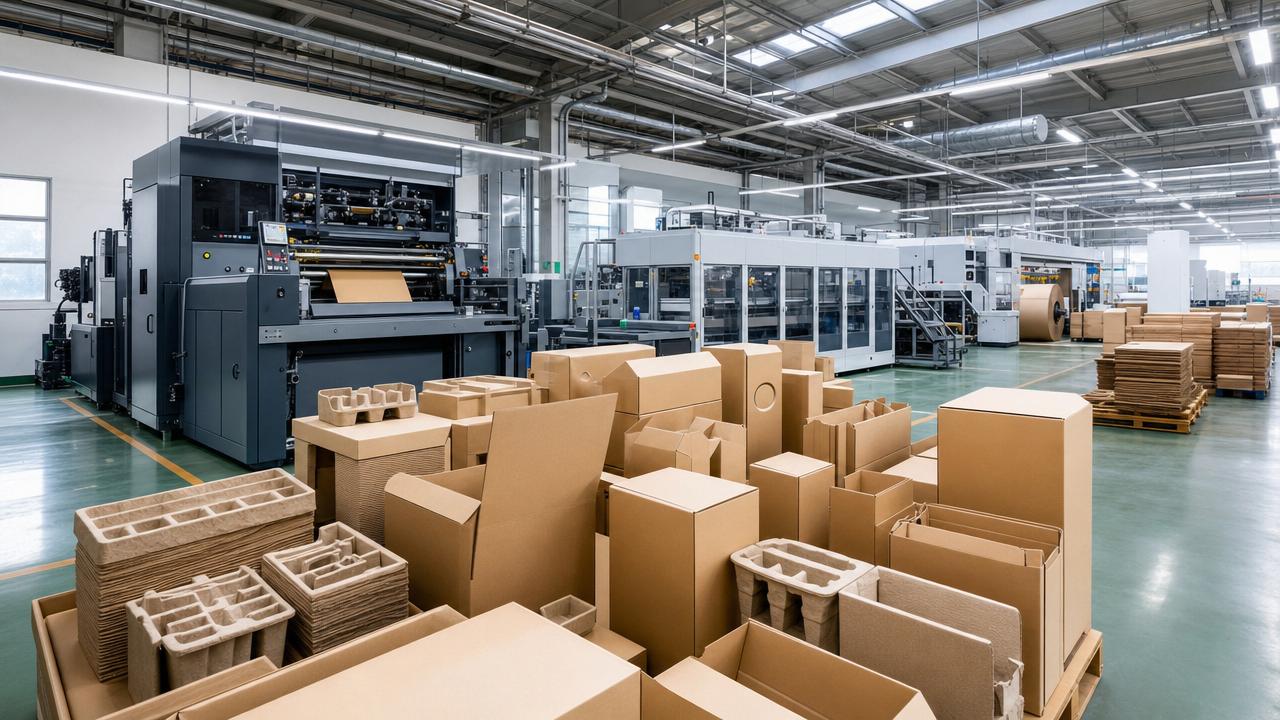
In 2026, the rise of green paper-based civilization is no longer a branding narrative—it is becoming a capital allocation question for packaging leaders. As regulations tighten, e-commerce demand expands, and digital converting technologies mature, decision-makers must evaluate whether paper-based packaging investment can deliver both resilience and returns. This article examines the strategic signals reshaping equipment, materials, and competitive positioning across the global packaging value chain.
What Green Paper-Based Civilization Means in Packaging Investment
Green paper-based civilization describes a structural shift toward renewable, recyclable, traceable, and digitally optimized paper packaging systems.
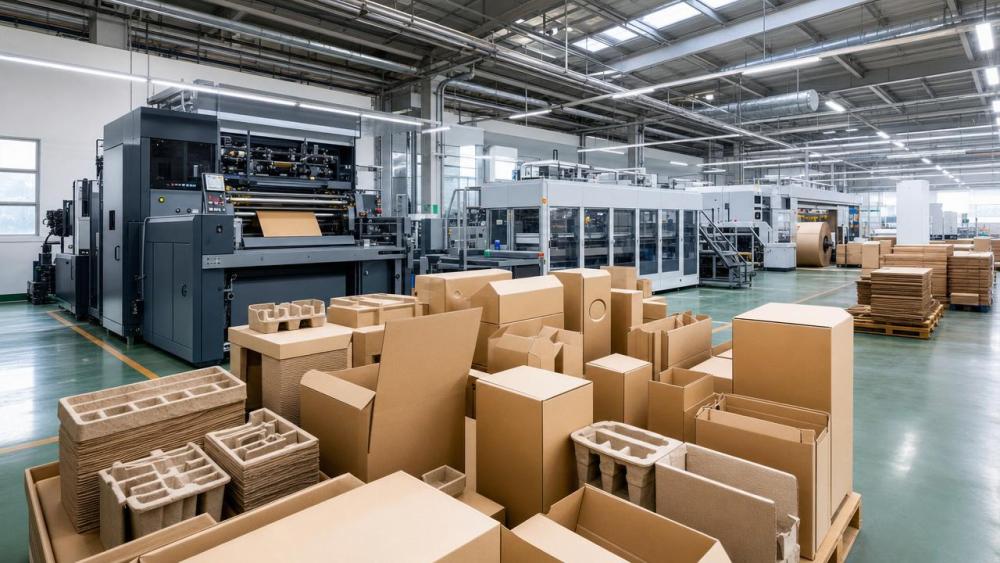
It is not limited to replacing plastic with paper. It also includes machinery upgrades, fiber efficiency, compliant sourcing, and lower-carbon converting.
In practical terms, green paper-based civilization links materials, equipment, logistics, data, and regulation into one investment framework.
That framework matters because packaging value now depends on speed, customization, recovery, and environmental credibility at the same time.
For the broader industrial ecosystem, the concept reaches across digital print, corrugation, die-cutting, folder gluing, and tissue-related paper processing.
IPPS tracks this transition through intelligence on printhead performance, corrugated board formation, post-press precision, adhesive behavior, and automation economics.
The strongest investment thesis appears where sustainability goals align with throughput gains and stronger tender competitiveness.
Why 2026 Is a Turning Point for Capital Allocation
Several signals explain why green paper-based civilization is moving from concept to budget line in 2026.
- EUDR and FSC-linked sourcing scrutiny are raising the cost of weak traceability.
- E-commerce fulfillment continues to reward lightweight, protective, and printable corrugated formats.
- Brand owners are demanding shorter runs and versioned graphics, favoring industrial digital printers.
- Energy and labor pressures make automation and waste reduction financially urgent.
- Paper replacing plastic is expanding demand for molded fiber and glue-efficient converting systems.
These pressures do not affect every segment equally. However, they all increase the value of flexible and compliant paper-based assets.
This is why green paper-based civilization increasingly shapes machine selection, line retrofits, and supplier qualification strategies.
Key Market Signals in 2026
Equipment Segments Being Revalued by Green Paper-Based Civilization
Investment is not flowing evenly across all packaging equipment. It is concentrating where sustainability and productivity reinforce each other.
Industrial Digital Printers
Digital printers reduce plate dependency, improve versioning, and support demand-driven production with less obsolete inventory.
For green paper-based civilization, their value lies in agile graphics, lower setup waste, and smarter use of corrugated and carton surfaces.
Corrugated Board Lines
Corrugators remain core assets because board performance drives both protection and material efficiency.
Advanced web tension control, steam optimization, and flute consistency help reduce fiber waste while preserving compressive strength.
Die-Cutting and Stamping Systems
These systems gain importance when premium paper packaging replaces rigid plastic in cosmetics, electronics, and specialty retail.
Precision converting also reduces reject rates, which directly improves the economics of green paper-based civilization investments.
Automatic Folder Gluers
Folder gluers are strategic because they translate flat substrates into usable 3D packaging at scale.
Machines with stable gluing curves, rapid changeovers, and inspection modules are especially attractive in high-mix paper packaging environments.
Business Value Across the Packaging Chain
The business case for green paper-based civilization is strongest when measured beyond material substitution alone.
- Lower compliance risk through traceable fiber and auditable production records
- Higher conversion flexibility for seasonal and personalized packaging demand
- Improved logistics efficiency through lighter and stronger corrugated designs
- Reduced waste through precision print, forming, and gluing control
- Stronger positioning in export tenders where eco-credentials matter
This is where intelligence platforms such as IPPS become relevant. They connect technical metrics with market timing and investment judgment.
A line upgrade may appear expensive in isolation. Yet it can outperform low-cost assets when paper price volatility and compliance risks intensify.
Typical Investment Scenarios and Evaluation Priorities
Green paper-based civilization affects different packaging scenarios in different ways. Capital priorities should match product mix and operational constraints.
Representative Scenarios
The key is to evaluate not only machine speed, but also waste behavior, substrate compatibility, maintenance stability, and certification readiness.
Practical Risks and Implementation Considerations
Not every paper-based investment automatically fits the logic of green paper-based civilization.
Some projects underperform because they ignore total system compatibility between paper grades, adhesives, print engines, and post-press processes.
Others overestimate demand for paper substitution without testing shelf-life, barrier requirements, or handling durability.
Important Checks Before Committing Capital
- Validate local and export compliance pathways, including fiber traceability obligations.
- Map board grades to print and converting performance under realistic production speeds.
- Measure waste rates during startup, changeover, and multi-SKU scheduling.
- Assess energy, labor, spare parts, and service support over the full equipment lifecycle.
- Review whether automation architecture supports future data integration and unmanned operation goals.
Green paper-based civilization rewards disciplined investment, not symbolic switching. Technical detail often determines financial success.
Strategic Next Steps for 2026 Packaging Planning
The central question is not whether green paper-based civilization matters. It is where it creates the clearest return within a specific packaging system.
A practical next step is to rank packaging assets by compliance exposure, waste intensity, customization demand, and automation readiness.
Then compare retrofit potential against full replacement costs in digital print, corrugation, die-cutting, and folding-gluing operations.
IPPS supports this process by connecting sector news, evolutionary technology trends, and commercial intelligence around green paper-based civilization.
In 2026, packaging investment advantage will likely belong to operations that combine paper-based sustainability, technical precision, and scalable automation.
That is where green paper-based civilization shifts from narrative to measurable industrial value.
Industry Briefing
Get the top 5 industry headlines delivered to your inbox every morning.
Recommended News