
Eco Friendly Packaging Machinery Price: What Drives Total Investment Cost
Eco Friendly Packaging Machinery Price Starts With the Quote, but Rarely Ends There
The eco friendly packaging machinery price often looks clear on the first proposal. The real investment picture is usually much wider.
A lower entry quote can still lead to higher cash outflow. Energy use, changeover losses, operator dependence, and spare-part lead time often decide the final cost.
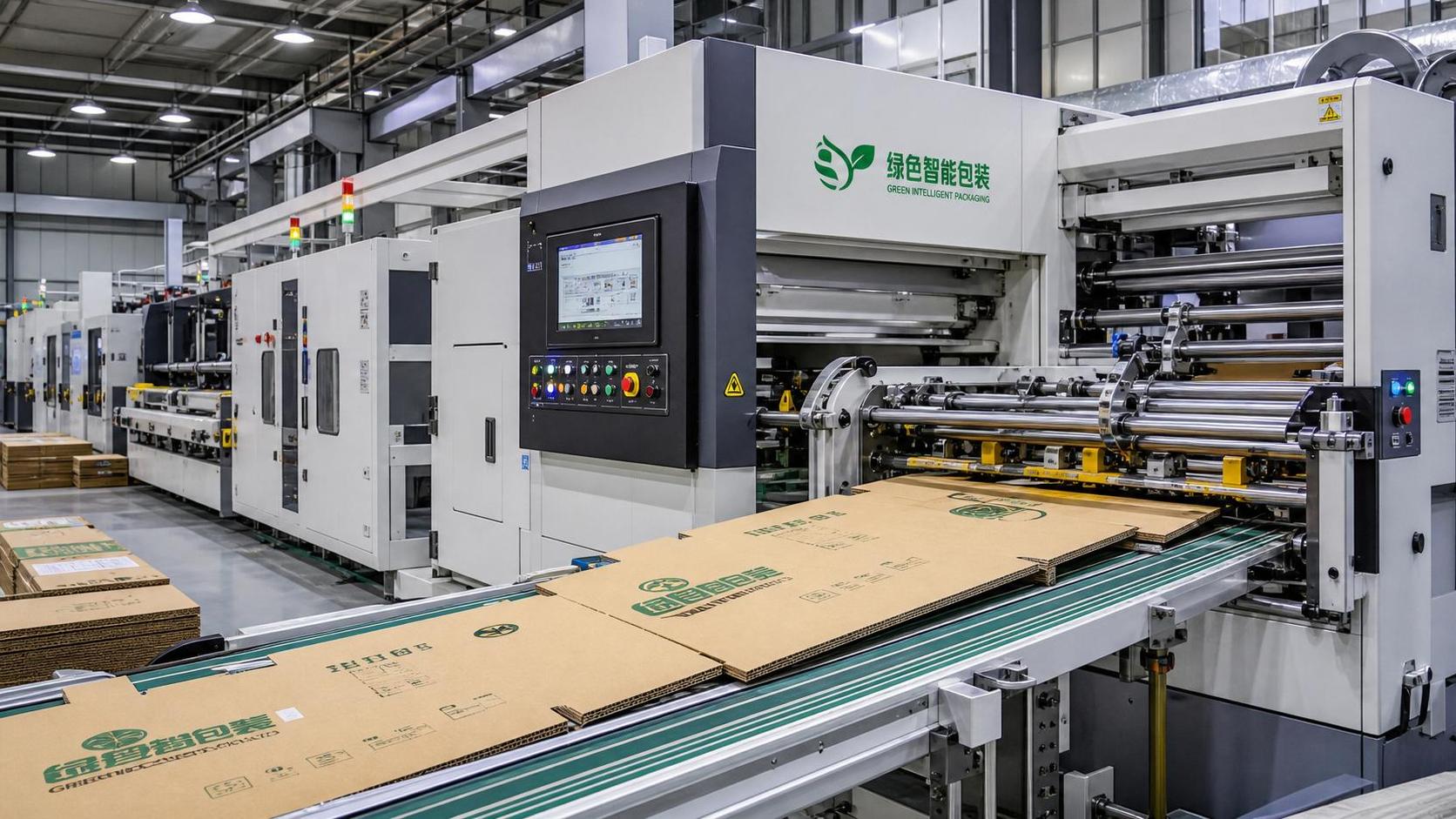
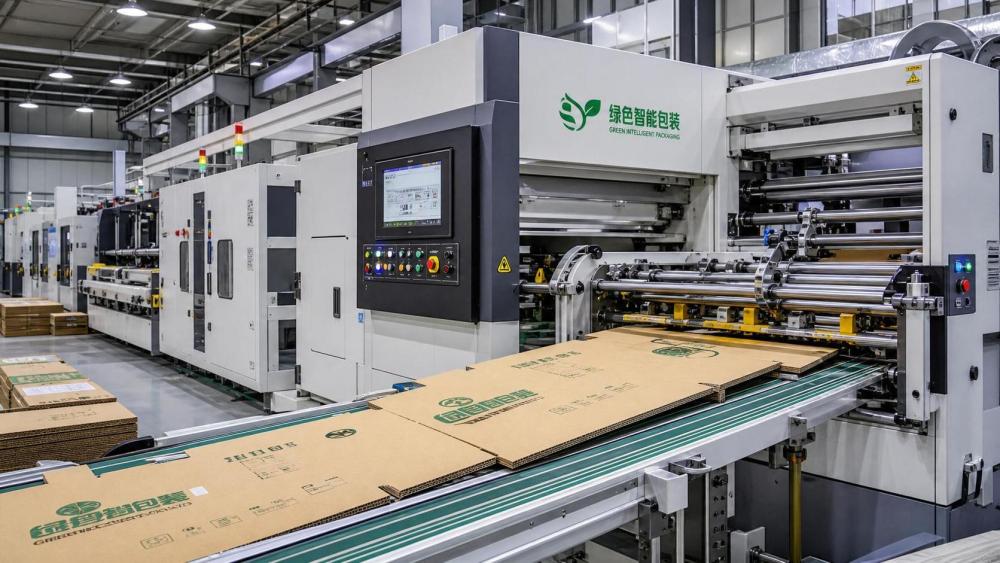
This matters even more in paper-based packaging. Corrugated forming, digital printing, die-cutting, folder gluing, and paper molding all react differently to speed and material variation.
IPPS follows these equipment categories closely because they sit at the center of sustainable packaging expansion, e-commerce logistics pressure, and tighter compliance thresholds.
So when people search for eco friendly packaging machinery price, the better question is usually this: what drives total investment cost over the full operating life?
What does eco friendly packaging machinery price actually include?
In practice, the quoted machine price is only one layer. Total investment cost includes equipment, utilities, integration, validation, training, and ramp-up losses.
For example, a corrugated line with advanced web tension control may cost more upfront. It can also reduce warp, board crush, and waste during long production cycles.
The same applies to digital print systems. Faster data processing and stable ink control may raise capital expense, yet improve customization economics and reduce obsolete packaging stock.
A useful cost view is to separate visible spending from hidden spending. That comparison makes supplier proposals easier to read.
If the eco friendly packaging machinery price seems unusually low, the first check should be what has been excluded rather than what has been discounted.
Which machine features raise the price, and when are they worth paying for?
Not every premium feature creates financial value. The right answer depends on throughput stability, substrate range, and how often packaging formats change.
Automation is one of the biggest price drivers. Servo systems, vision inspection, auto register correction, and recipe recall increase the eco friendly packaging machinery price.
They become easier to justify when downtime is expensive. Frequent SKU switching, labor shortages, and high scrap exposure usually favor a higher automation level.
Energy efficiency is another major factor. Better heat recovery, lower steam consumption, and optimized motor control can materially change annual operating expense.
In tissue or corrugated applications, even small utility improvements scale quickly. Heavy-duty lines running long shifts make energy savings more bankable than on short-batch equipment.
Material compatibility also affects cost. Machines designed for recycled fiber variation, lightweight board, water-based inks, or glue-free bonding usually carry stronger engineering content.
- Pay more for automation when output loss during changeover is already measurable.
- Pay more for energy efficiency when utilities are volatile or sustainability reporting is strict.
- Pay more for material flexibility when recycled or alternative fiber inputs are planned.
Is a higher eco friendly packaging machinery price sometimes the lower-risk decision?
Yes, especially when reliability and output consistency matter more than simple acquisition cost. This is common in packaging lines tied to delivery schedules or export requirements.
A low-priced machine can underperform in three ways. It may run slower than promised, require more manual correction, or struggle with sustainable material variation.
That third point is often underestimated. Recycled papers and lighter substrates behave differently under tension, moisture, and heat, particularly in corrugation and post-press stages.
IPPS has highlighted how process details such as ink droplet behavior on corrugated surfaces or glue bonding curves affect usable output, not just laboratory performance.
A machine that handles these variables with fewer stops usually protects margins better. The sticker price may be higher, but the forecast becomes more dependable.
A practical review should compare risk-adjusted economics, not only capex. That means checking warranty scope, reference installations, local service response, and spare-part availability.
A simple way to test risk before approval
Ask suppliers for evidence under real production conditions. Trial data should use the intended board grade, print coverage, adhesive system, and target line speed.
When that evidence is vague, the eco friendly packaging machinery price is not the only uncertainty. The operating model is uncertain too.
What hidden costs usually appear after installation?
Most surprises come after commissioning, not before. They tend to appear in maintenance routines, consumables, integration gaps, and operator learning curves.
For a folder gluer or die-cutting line, worn parts, adhesive behavior, and alignment drift can reduce sellable output faster than expected.
For digital printing, the hidden burden may be ink management, printhead maintenance, color calibration, or data workflow complexity.
For corrugated systems, steam balance, web handling precision, and paper quality variation can create ongoing waste if the control system is not robust.
The most common hidden costs usually fall into this shortlist:
- Higher-than-expected scrap during startup and SKU transitions.
- Imported spare parts with long replenishment cycles.
- Software interfaces that require extra integration work.
- Operator dependency for quality stability.
- Compliance upgrades needed for local or export markets.
These items are why the eco friendly packaging machinery price should be reviewed alongside annual maintenance assumptions and ramp-up scenarios, not as a standalone line item.
How should suppliers be compared when every quote looks different?
The cleanest method is to convert quotes into a common decision sheet. Compare technical scope, operating cost, risk exposure, and likely upgrade path.
This matters in sustainable packaging because future requirements change quickly. New substrates, forest traceability rules, and carbon reporting can alter equipment value over time.
IPPS tracks those shifts because machinery value is increasingly tied to adaptability, not just installed horsepower or rated speed.
A side-by-side review usually works best when it includes both financial and process questions.
Once quotes are normalized this way, eco friendly packaging machinery price becomes easier to judge in relation to long-term return.
What is the most practical next step before approving the investment?
Start by defining the production case, not the machine model. Volume, substrate mix, changeover frequency, and compliance targets should be written down first.
Then build a simple ownership model covering capex, utilities, labor, waste, service, and expected uptime across three to five years.
It also helps to rank decision criteria. A line serving premium printed boxes may value print precision more than raw speed. A logistics carton line may do the opposite.
The eco friendly packaging machinery price should then be reviewed against payback sensitivity. Test what happens if energy costs rise, output falls, or recycled material use increases.
That approach usually reveals the stronger proposal. Not always the cheapest one, and not always the most advanced one either.
A disciplined decision frame is more reliable than a quote comparison alone. It reduces capital risk and supports a packaging strategy that stays efficient as sustainability demands tighten.
In short, eco friendly packaging machinery price is an entry point. Total investment quality depends on how well the equipment holds output, controls waste, and adapts to the next wave of paper-based packaging requirements.
Industry Briefing
Get the top 5 industry headlines delivered to your inbox every morning.
Recommended News