
Paper Packaging Portal Sustainable Packaging Trends to Watch in 2026
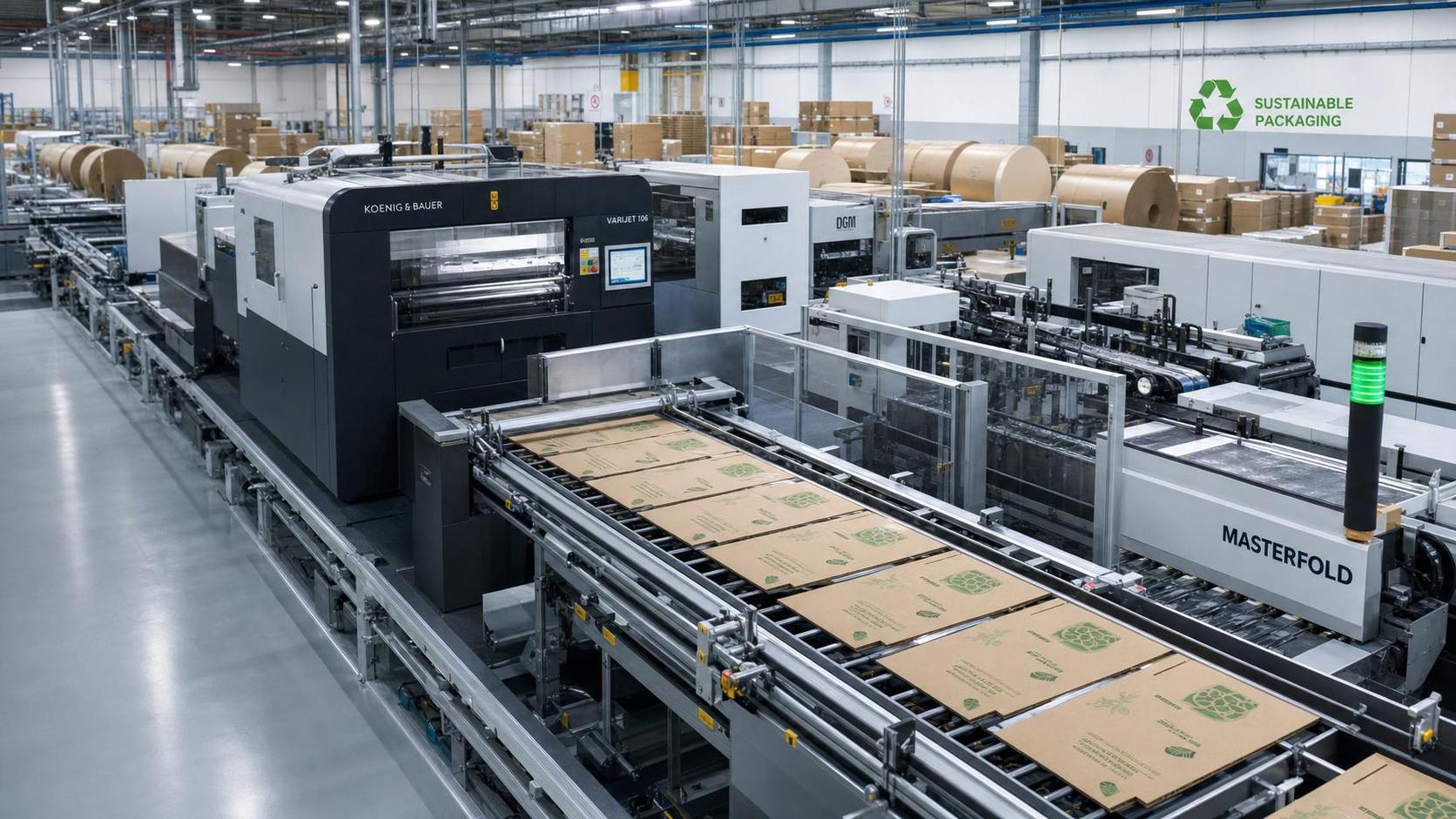
Why 2026 Matters for Paper-Based Packaging
Paper Packaging Portal Sustainable Packaging Trends to Watch in 2026 is not just a headline topic. It reflects a real shift in how packaging is specified, produced, audited, and valued.
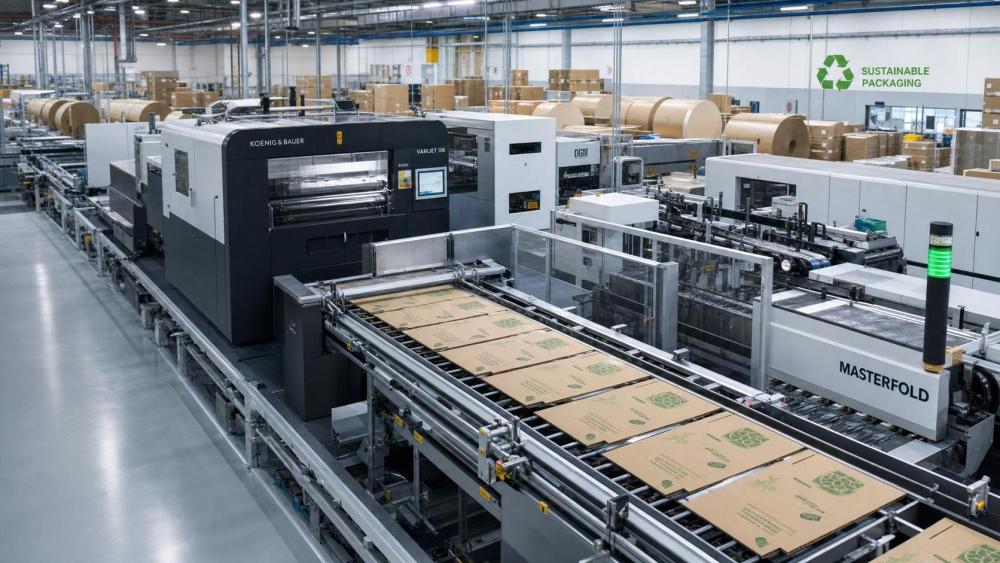
A reliable paper packaging portal sustainable packaging strategy now connects material choice with print flexibility, automation, logistics performance, and regulatory readiness.
That is why IPPS follows more than surface-level packaging news. It tracks the industrial systems behind the box, the label, the fold, and the fiber stream.
In 2026, the pressure comes from several directions at once. E-commerce volumes remain high. Brand owners want faster design cycles. Compliance rules are tightening. Costs remain volatile.
At the same time, paper replacing plastic is no longer a simple sustainability slogan. It has become an engineering and supply chain question.
For that reason, the strongest market signals are appearing where digital printing, corrugated conversion, post-press precision, and automated finishing meet.
What Sustainable Packaging Means in Practice
In business terms, sustainable packaging is no longer defined only by recyclability. It also includes throughput, waste rates, energy intensity, fiber sourcing, and transport efficiency.
This broader view explains why a paper packaging portal sustainable packaging discussion now includes machine intelligence, glue use, print data, and board structure.
A package may use renewable fiber, yet still underperform if it requires excess material, unstable converting, or repeated rework on the line.
A better standard is lifecycle efficiency. That means achieving protection, visual quality, compliance, and production yield with less waste and less operational friction.
IPPS positions this question at the system level. Digital print scientists, corrugation experts, and post-press specialists look at how decisions interact across the entire paper-based workflow.
The Trends Reshaping the Market
1. Digital print is moving from niche agility to mainstream packaging infrastructure
Short runs and personalization are familiar themes. The bigger 2026 shift is that industrial digital printers are becoming operational tools for risk control.
Plate-free production reduces setup loss. Faster artwork changes support seasonal launches. Variable data improves traceability. Smaller batch economics help reduce obsolete inventory.
On corrugated surfaces, however, print quality depends on droplet behavior, substrate variation, and high-speed data handling. That is where technical intelligence matters more than marketing claims.
2. Corrugated lightweighting is becoming more precise
Corrugated board lines remain central to global logistics. In 2026, lightweighting will continue, but with tighter tolerance demands.
Reducing basis weight is attractive, yet failure risk rises when flute formation, moisture control, and compression behavior are not carefully balanced.
The practical opportunity lies in designing board grades that remove excess material without weakening stacking strength or transport resilience.
3. Post-press precision is becoming a sustainability issue
Die-cutting and stamping used to be discussed mainly in terms of appearance. That view is too narrow now.
Poor creasing, unstable cutting, or registration drift can generate hidden waste across entire packaging runs. Precision directly affects material use, downstream speed, and pack integrity.
4. Automation is shifting from labor substitution to consistency control
Automatic folder gluers and connected finishing systems are gaining attention because they stabilize output under variable demand.
In actual use, the benefit is not only labor reduction. It is repeatable folding, adhesive accuracy, and fewer stoppages during fast product transitions.
5. Compliance is moving closer to daily operations
FSC, EUDR, and broader sourcing disclosure requirements are no longer remote policy topics. They are becoming packaging workflow inputs.
The paper packaging portal sustainable packaging conversation now includes chain-of-custody visibility, supplier documentation, and auditable production records.
Where These Trends Create Business Value
The value of these trends becomes clearer when viewed through operational decisions rather than environmental language alone.
This is why the strongest paper packaging portal sustainable packaging analysis links sustainability goals with machine-level and process-level evidence.
How IPPS Frames the 2026 Packaging Landscape
IPPS stands out because it looks across the five industrial pillars that shape paper-based packaging performance.
Industrial digital printers define responsiveness and print economics. Corrugated board lines shape protection and material efficiency.
Die-cutting and stamping influence both premium finish and waste exposure. Folder gluers determine speed, bonding reliability, and carton consistency.
Even tissue processing machinery matters in the wider paper ecosystem, because hygiene paper demand affects fiber flows, automation priorities, and converting standards.
More importantly, the Strategic Intelligence Center adds a deeper layer. It interprets paper price volatility, certification thresholds, ink behavior, bonding curves, and tension control.
That perspective helps separate durable packaging trends from temporary market noise.
What to Evaluate Before Making Packaging Moves
The next step is not to chase every new claim. It is to build a sharper evaluation framework.
- Check whether sustainability gains are measured at material level only, or across the full converting and logistics chain.
- Compare print and finishing upgrades against expected SKU variability, not against static average volumes.
- Review corrugated redesign projects with transit testing, compression data, and moisture sensitivity in mind.
- Map compliance obligations into operational checkpoints, especially for sourcing and documentation.
- Watch waste sources that hide inside setup time, reprints, off-spec bonding, and unstable changeovers.
Usually, the best outcomes come from linking commercial goals with process data early, before specifications are locked in.
A Practical Reading of the Year Ahead
The 2026 packaging market will reward organizations that understand paper packaging as an integrated industrial system, not a standalone material choice.
That is the real value of a paper packaging portal sustainable packaging resource. It helps turn broad sustainability pressure into clearer operational judgment.
The useful next move is to review current packaging lines through five lenses: print agility, board efficiency, post-press precision, automation depth, and compliance readiness.
From there, trend watching becomes more than observation. It becomes a disciplined way to compare options, reduce risk, and prepare for the next wave of paper-based packaging change.
Industry Briefing
Get the top 5 industry headlines delivered to your inbox every morning.
Recommended News