
Paper Converting Equipment: Key Upgrade Signals in 2026
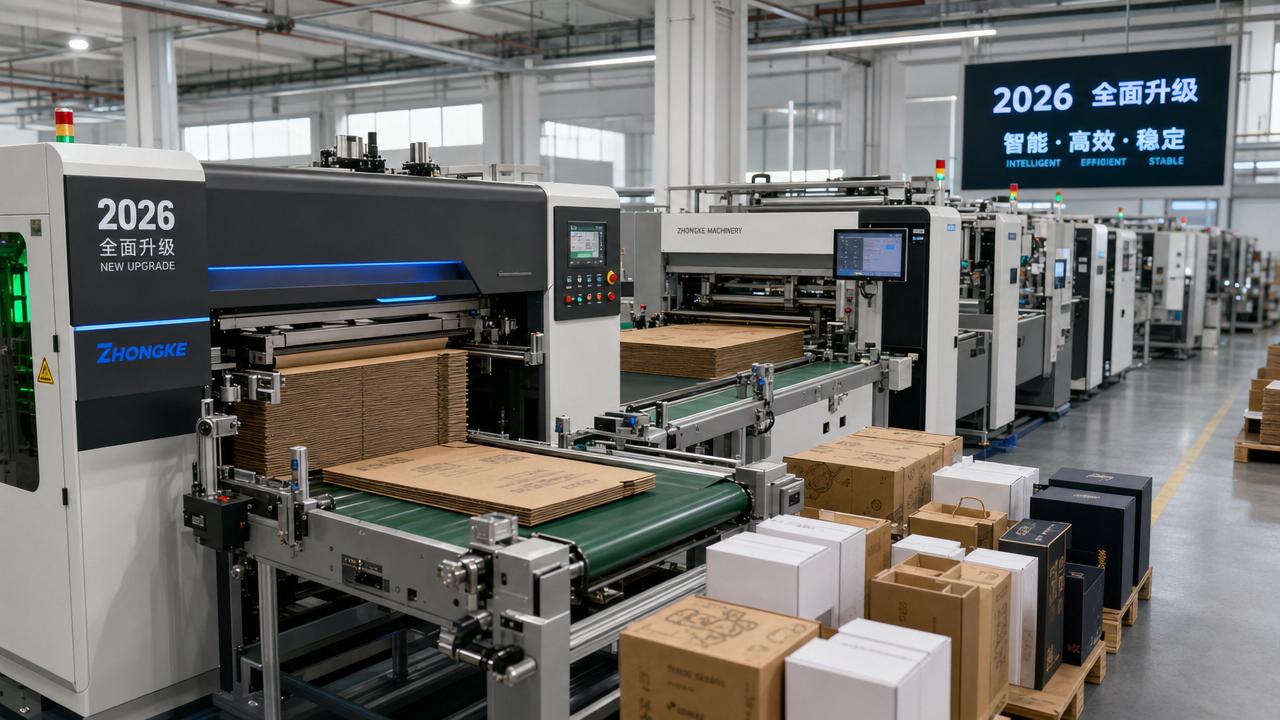
In 2026, paper converting equipment is becoming a strategic signal for manufacturers under pressure to improve efficiency, sustainability, and customization. For enterprise decision-makers, knowing when to upgrade is no longer just a technical issue—it directly affects output, cost control, compliance, and competitive positioning in fast-moving packaging and print markets.
What upgrade signals in paper converting equipment should decision-makers watch first?
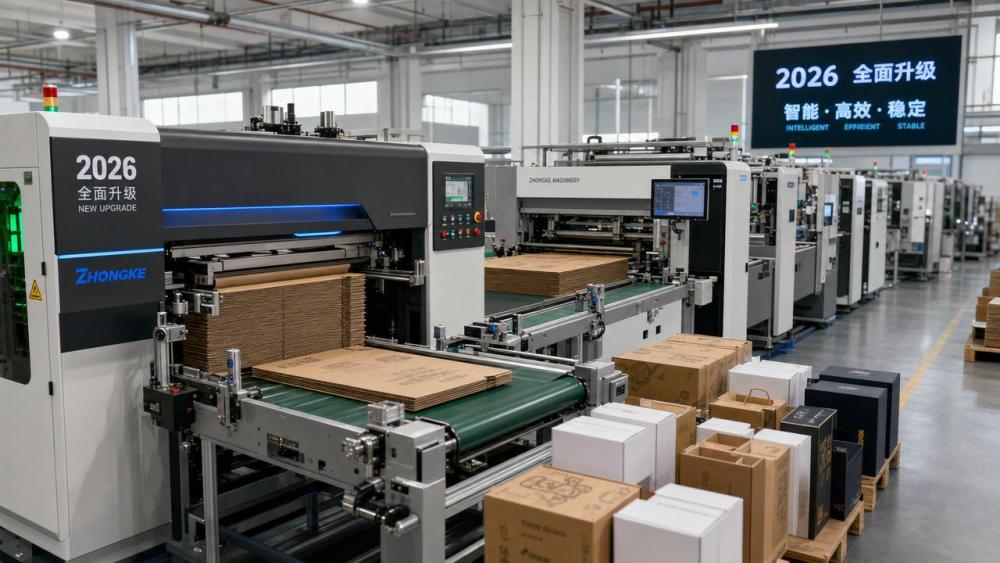
For many leadership teams, the problem is not whether paper converting equipment matters, but when existing assets stop supporting business goals. In converting, a machine can still run every day while quietly destroying margin through waste, downtime, labor intensity, and limited format flexibility.
That is why 2026 is different. Demand patterns are shifting toward shorter runs, more SKU variation, stronger traceability, and tighter environmental requirements. In corrugated packaging, digital print, folding-gluing, die-cutting, and tissue processing, upgrade timing has become a boardroom issue rather than a maintenance issue.
IPPS tracks this transition across industrial digital printers, corrugated board lines, die-cutting and stamping systems, automatic folder gluers, and tissue machinery. From web tension control to inkjet behavior on corrugated substrates, the question is no longer only machine speed. The real question is whether the line can convert demand volatility into profitable output.
- OEE is flat or declining even after routine maintenance and operator retraining.
- Waste rates rise during changeovers, especially with lighter papers, recycled grades, or customized print jobs.
- Customer orders increasingly require short lead times, mixed box formats, or versioned packaging graphics.
- Compliance pressure grows around FSC sourcing, EUDR traceability, energy use, or adhesive and substrate selection.
- Recruiting skilled operators becomes harder, making automation and closed-loop controls more valuable.
How market pressure is reshaping paper converting equipment investment
Enterprise buyers in the general industrial market are balancing several pressures at once. E-commerce needs durable but lightweight corrugated formats. Brand owners want premium finishing without long setup times. Tissue and hygiene producers need stable output with low contamination risk. At the same time, CFOs are pushing for lower unit cost and faster payback.
This is why paper converting equipment upgrades now center on system capability, not isolated machine features. A faster die-cutter has limited value if prepress data flow is fragmented, board quality fluctuates, or folder-gluer bottlenecks erase downstream gains. Line balance and process intelligence matter more than nameplate speed.
The most common demand shifts behind 2026 capital decisions
- More customization: variable data, promotional graphics, seasonal packaging, and regional SKU variants.
- More sustainability pressure: lighter grammage, recyclable structures, reduced glue use, and lower power consumption.
- More automation needs: fewer manual adjustments, auto registration, defect inspection, and digital production reporting.
- More supply chain variability: unstable paper pricing, mixed substrate quality, and high sensitivity to downtime.
IPPS intelligence is especially useful here because decision-makers need to read technical performance in commercial terms. A better tension decoupling algorithm in a rewinder is not just an engineering upgrade. It can mean fewer web breaks, less trim loss, and more stable throughput when paper grades change.
Which paper converting equipment metrics actually indicate an upgrade need?
Before replacing assets, leadership teams should separate symptoms from root causes. Not every production problem requires new capital expenditure. However, when multiple metrics deteriorate together, the case for upgrading paper converting equipment becomes much stronger.
The table below helps enterprise buyers judge whether current line behavior signals a process optimization project, a subsystem retrofit, or a full equipment upgrade.
A single symptom may not justify major investment. But if changeovers, waste, and quality variation are all moving in the wrong direction, paper converting equipment is likely limiting strategic growth. That is the point where delay becomes more expensive than action.
How to compare upgrade paths across converting segments
Not all facilities need the same response. A corrugated plant under e-commerce pressure will evaluate different priorities than a tissue processor focused on hygiene output stability. Decision-makers should compare upgrade logic by process family rather than assume one standard roadmap.
This comparison table highlights where paper converting equipment creates the biggest value depending on production segment.
For multi-plant groups, this segmented view prevents poor capital allocation. It is common to overspend on standalone speed while underinvesting in line integration, inspection, and data visibility. IPPS often sees the strongest returns where buyers improve process coherence first.
Procurement guide: what should enterprise buyers ask before selecting paper converting equipment?
Purchasing teams are often forced to compare proposals that use different assumptions. One supplier emphasizes top speed. Another focuses on automation. A third highlights energy savings. Without a structured decision model, paper converting equipment selection can drift toward headline claims instead of operating fit.
A practical evaluation checklist
- Define the real bottleneck. Is the issue throughput, labor, waste, compliance, or product mix flexibility?
- Test substrate range. Confirm how the equipment performs with recycled fiber, lightweight grades, premium boards, or specialty tissue.
- Review setup and changeover logic. Ask for job memory, servo adjustments, auto calibration, and recipe repeatability.
- Check data connectivity. Determine whether production reporting, quality inspection, and MES or ERP integration are practical.
- Clarify service scope. Include commissioning, operator training, spare parts planning, remote support, and upgrade path availability.
The best procurement discussions are evidence-based. Ask suppliers to explain how line performance changes at real production conditions, not only at ideal factory acceptance conditions. Decision-makers should also model downtime sensitivity, because a low-price machine with unstable uptime can become the most expensive option in the room.
Cost, retrofit, or replacement: which route makes more sense in 2026?
A full replacement is not always the first answer. In many cases, existing paper converting equipment can regain competitiveness through targeted retrofits. Servo upgrades, inspection modules, tension control improvements, drying enhancements, or glue monitoring systems may deliver measurable gains without a full line change.
The challenge is knowing when retrofit economics stop working. If the frame, drive architecture, control logic, or substrate capability fundamentally limit the process, patchwork spending can trap plants in a cycle of rising maintenance and inconsistent quality.
A simple decision lens
- Choose retrofit when the core machine is mechanically sound and the main gap is control, sensing, or automation.
- Choose replacement when the process no longer supports target substrates, output mix, traceability, or compliance requirements.
- Choose phased investment when budget constraints are real but market demand already justifies future expansion.
For boards and executive teams, the right question is not only capital cost. It is the total commercial impact of slower turns, rejected production, missed tenders, and inability to support sustainable packaging transitions.
Why compliance and sustainability now influence paper converting equipment choices
In 2026, equipment decisions are increasingly tied to certification readiness and environmental reporting. Paper-based packaging is benefiting from the global shift away from plastics, but that opportunity comes with stricter scrutiny on source materials, energy intensity, waste generation, and process traceability.
Compliance areas buyers should review
- FSC-related chain-of-custody compatibility in sourcing and production documentation.
- EUDR-related data traceability expectations affecting material origin verification.
- Machine safety, guarding, and electrical conformity according to target export markets.
- Energy and material efficiency metrics relevant to internal ESG programs and tender qualification.
IPPS pays close attention to these signals because compliance is no longer a legal afterthought. It shapes machine configuration, vendor documentation, digital tracking capability, and the credibility of bids in international packaging and print supply chains.
Common mistakes buyers make when upgrading paper converting equipment
Mistake 1: Buying for peak speed rather than stable output
High rated speed looks attractive, but enterprise value comes from sellable output over time. If paper converting equipment cannot hold quality at production speed, the spec sheet becomes irrelevant.
Mistake 2: Ignoring substrate evolution
Many firms underestimate how fast recycled content, lighter paper grades, and new packaging structures will affect converting performance. Equipment should be evaluated against future material trends, not only current jobs.
Mistake 3: Underestimating integration costs
A standalone machine may look cost-effective until teams account for line balancing, software interfaces, operator training, utility changes, and acceptance testing. Integration discipline protects ROI.
FAQ: practical questions about paper converting equipment in 2026
How do I know whether current paper converting equipment is still competitive?
Look beyond age. Measure waste, changeover time, uptime, labor dependency, defect frequency, and substrate flexibility. If multiple indicators are worsening while customer requirements are becoming more complex, competitiveness is likely declining even if the machine still runs daily.
Which paper converting equipment upgrades usually pay back fastest?
Fast payback often comes from automation in setup, inspection, glue control, tension stability, and data visibility. These upgrades reduce hidden losses that occur on every shift, especially in plants managing many SKUs or variable material quality.
What should global buyers ask about delivery and implementation?
Ask for realistic lead time, installation scope, utility requirements, operator training plan, spare parts list, ramp-up assumptions, and support response model. Delivery risk should be evaluated as carefully as machine capability.
Is digitalization necessary for all paper converting equipment projects?
Not every project needs full smart-factory integration on day one. But most 2026 investments should at least support production data capture, recipe management, alarm history, and quality traceability. These functions improve both operations and future upgrade readiness.
Why work with IPPS when evaluating paper converting equipment?
IPPS connects technical detail with commercial judgment across digital printing, corrugated forming, post-press precision, folder-gluing, and tissue automation. That matters when a capital decision depends on more than a brochure. Decision-makers need to understand how extreme web tension control, inkjet behavior, bonding dynamics, and sustainability demand interact in live production.
Our intelligence focus helps machinery buyers and manufacturing leaders assess paper converting equipment through the lens of output stability, future packaging trends, certification pressure, and international tender competitiveness. We do not reduce the conversation to speed claims alone.
What you can discuss with us
- Parameter confirmation for digital print, corrugated, die-cutting, folder-gluing, or tissue converting lines.
- Equipment selection logic based on output targets, substrate mix, labor conditions, and automation goals.
- Lead time and implementation questions for new lines, retrofits, or phased capacity expansion.
- Custom solution discussions related to sustainable packaging, short-run customization, or traceability requirements.
- Certification and documentation topics connected to FSC, EUDR-sensitive sourcing, and export market expectations.
- Quotation planning, sample support scope, and evaluation criteria for comparing alternative converting routes.
If your team is reviewing whether existing paper converting equipment can support 2026 growth, this is the right time to turn technical signals into an informed investment decision. Contact IPPS to discuss the exact parameters, selection priorities, delivery considerations, compliance checkpoints, and customization paths relevant to your production reality.
Industry Briefing
Get the top 5 industry headlines delivered to your inbox every morning.
Recommended News