
Green Paper-Based Civilization and Packaging Policy Shifts
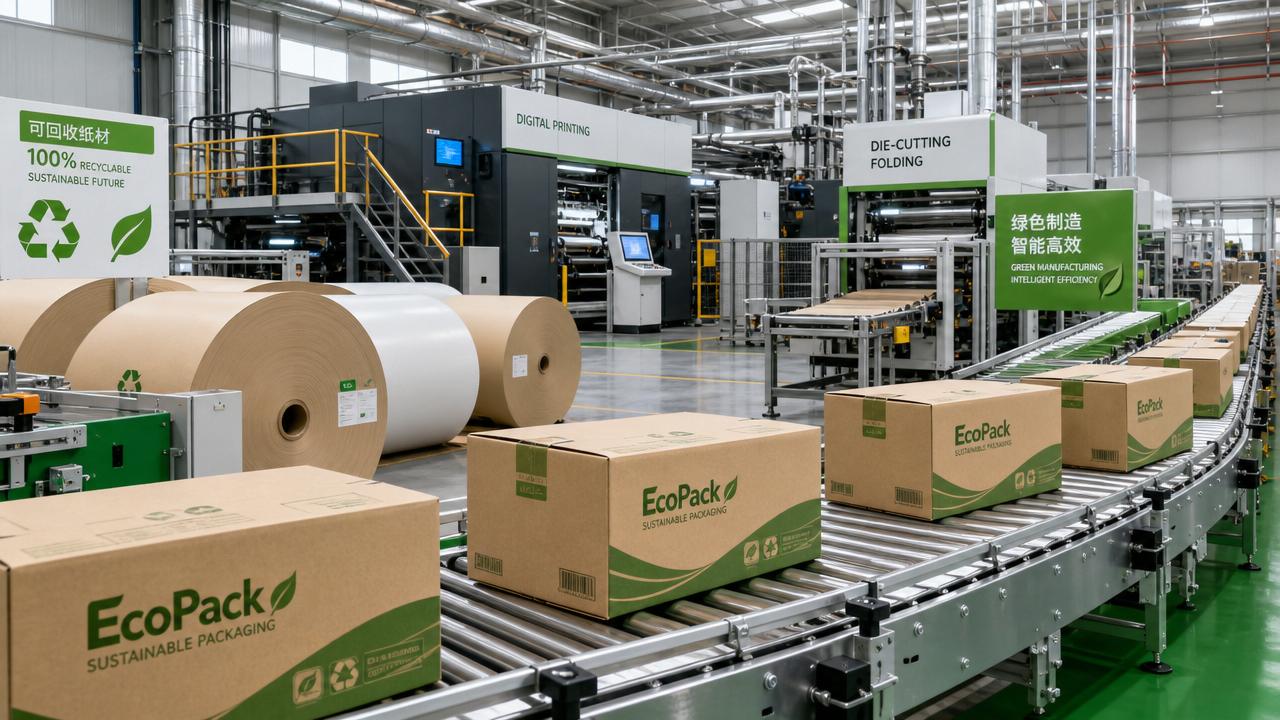
As packaging rules tighten and sustainability expectations rise, green paper-based civilization is moving from concept to competitive necessity.
For global industry observers, policy now shapes materials, machinery, data flows, and investment timing across the paper-based manufacturing chain.
This shift matters far beyond packaging aesthetics.
It affects digital printing flexibility, corrugated board performance, post-press precision, tissue converting efficiency, and compliance readiness in cross-border trade.
In this context, green paper-based civilization describes a system where renewable fiber, efficient machinery, traceable inputs, and recyclable design work together.
It is not only a sustainability slogan.
It is an industrial framework linking policy pressure with production technology and commercial decisions.
Understanding Green Paper-Based Civilization in Industrial Practice
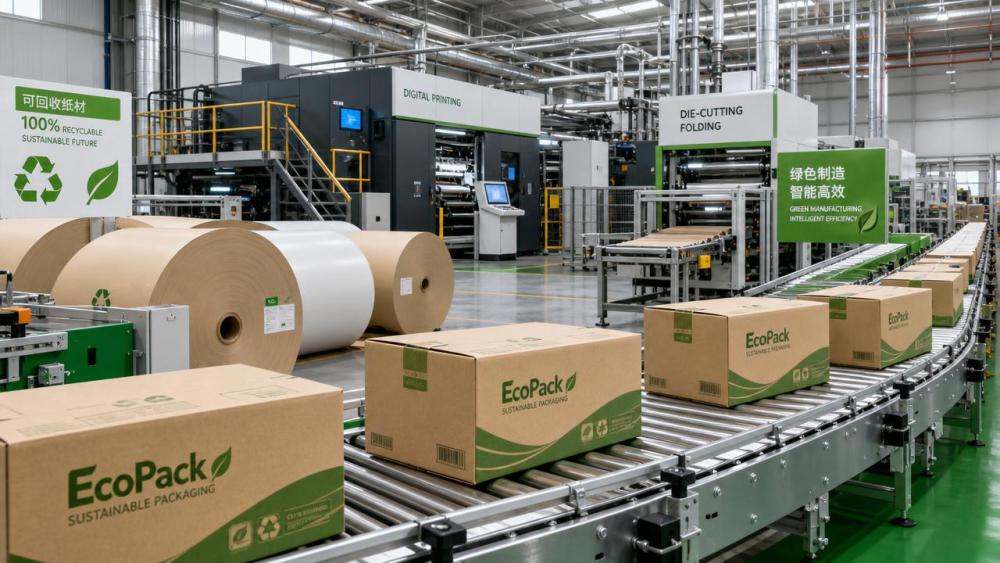
Green paper-based civilization refers to the organized replacement of wasteful, hard-to-recycle, and carbon-intensive packaging with smarter paper-based systems.
The idea includes raw material sourcing, energy use, print chemistry, converting efficiency, transport protection, and end-of-life recovery.
Within industrial print and paper systems, the concept becomes measurable through several operating indicators.
- Certified fiber and supply chain traceability
- Lower ink, adhesive, and water consumption
- Reduced setup waste through digital workflows
- Lightweight corrugated designs with maintained strength
- Recyclable structures and mono-material thinking
- Automation that improves yield and energy efficiency
This is why green paper-based civilization is closely tied to machine intelligence, process stability, and regulatory visibility.
A greener package often begins with better tension control, better droplet placement, and better converting accuracy.
Policy Shifts Reshaping the Global Packaging Landscape
Recent packaging policy shifts are changing what materials can be used, how claims must be verified, and how waste responsibilities are allocated.
Rules differ by region, yet the direction is increasingly consistent.
Governments are pushing recyclability, material reduction, cleaner sourcing, and clearer environmental reporting.
For intelligence platforms like IPPS, these shifts are not isolated legal updates.
They are leading indicators for equipment demand, process redesign, and technology adoption across integrated print and paper operations.
Technology Impact Across Digital Print and Paper Machinery
Green paper-based civilization is gaining momentum because modern machinery can now support both sustainability and throughput.
Policy pressure alone cannot transform packaging without process-ready equipment.
Industrial digital printers
Digital printing reduces plate-making steps, shortens changeovers, and supports versioned packaging for compliance, localization, and product differentiation.
It also helps reduce obsolete inventory, especially when labels or cartons require frequent regulatory text changes.
For green paper-based civilization, precision inkjet control matters because excessive ink load can weaken recyclability performance and raise drying energy demand.
Corrugated board lines
Corrugators are central to lightweight protective packaging.
Better steam control, flute consistency, and tension management allow lower basis weight papers to achieve reliable compression strength.
That directly supports packaging reduction targets while protecting e-commerce shipments.
Die-cutting, stamping, and folder gluing
Post-press accuracy determines whether a sustainable design survives mass production.
Poor creasing, glue waste, or misalignment increases scrap and weakens box performance.
Green paper-based civilization depends on converting systems that maintain speed without sacrificing material efficiency.
Tissue processing machinery
Tissue products are often overlooked in packaging policy discussions, yet they are deeply connected to fiber sourcing, wrapping reduction, and hygiene expectations.
Automatic tissue lines support greener outcomes through efficient rewinding, optimized embossing, and reduced packaging material per unit.
Business Value and Market Meaning for the Broader Industry
Green paper-based civilization creates value when sustainability targets align with productivity gains.
The most important result is not image improvement alone.
It is better control over risk, cost, and market access.
- Lower compliance disruption when regulations change quickly
- Improved tender competitiveness in sustainability-driven projects
- Reduced waste through digital setup and automated inspection
- Higher acceptance in export markets with traceability demands
- Stronger fit with e-commerce packaging optimization goals
For the comprehensive industry, this transition also affects data architecture.
Packaging decisions now require closer links between material records, machine settings, print files, and certification evidence.
That is why strategic intelligence has become a production input, not just a reporting function.
Typical Scenarios Where Policy and Paper Innovation Converge
The practical meaning of green paper-based civilization becomes clearer when viewed through real packaging scenarios.
Across these scenarios, green paper-based civilization works best when packaging design and machine capability are developed together.
Implementation Priorities and Practical Cautions
Transition plans should begin with measurable gaps, not abstract environmental claims.
Several priorities help align policy readiness with industrial reality.
- Map all paper grades, inks, adhesives, and coatings against regional compliance requirements.
- Audit machine waste points, especially during startup, changeover, and post-press alignment.
- Review corrugated design rules for lightweighting without transit failure.
- Strengthen digital traceability for fiber certification and process records.
- Test glue-free or low-glue formats where structural performance allows.
- Use pilot runs to compare carbon, scrap, and speed outcomes before scaling.
One common mistake is treating green paper-based civilization as a simple material substitution exercise.
In reality, fiber behavior, print absorption, glue interaction, and folding geometry all influence final performance.
Another risk is ignoring data quality.
Without reliable records, sustainability claims can fail during customer review or regulatory inspection.
Next-Step Direction for Intelligence-Led Packaging Transformation
Green paper-based civilization is becoming a practical operating model for modern packaging and paper production.
Policy shifts are accelerating that transition, but technology depth determines who adapts effectively.
A useful next step is to connect policy monitoring with machine-level process analysis.
That includes tracking fiber rules, print chemistry limits, corrugation efficiency, post-press yield, and tissue packaging trends together.
IPPS reflects this intelligence-led path by linking digital printing technology, corrugated engineering, precision converting, and automated tissue systems in one view.
For organizations following global packaging direction, the opportunity is clear.
Build decisions around verified data, adaptable machinery, and recyclable paper-based design.
That is where green paper-based civilization moves from industry narrative to durable competitive infrastructure.
Industry Briefing
Get the top 5 industry headlines delivered to your inbox every morning.
Recommended News