
Inkjet Printing Technology Trends Reshaping Short Runs
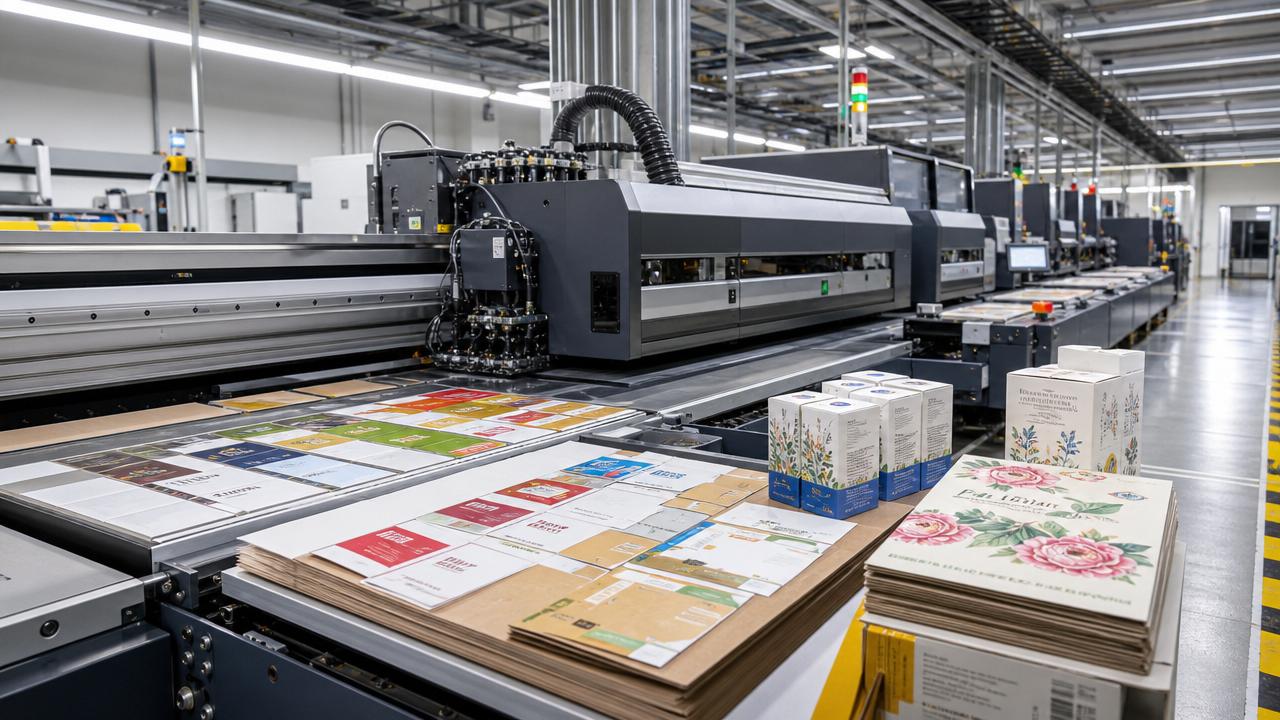
Inkjet printing technology is rapidly redefining short-run production, giving faster customization, lower setup costs, and stronger supply chain agility across print and paper systems.
This matters because e-commerce, sustainability pressure, and product proliferation are changing how packaging, labels, inserts, and paper-based communication materials are produced.
In this environment, inkjet printing technology is no longer a niche option. It is becoming a strategic tool for responsive manufacturing and smarter paper-based value chains.
What is driving inkjet printing technology trends in short runs?
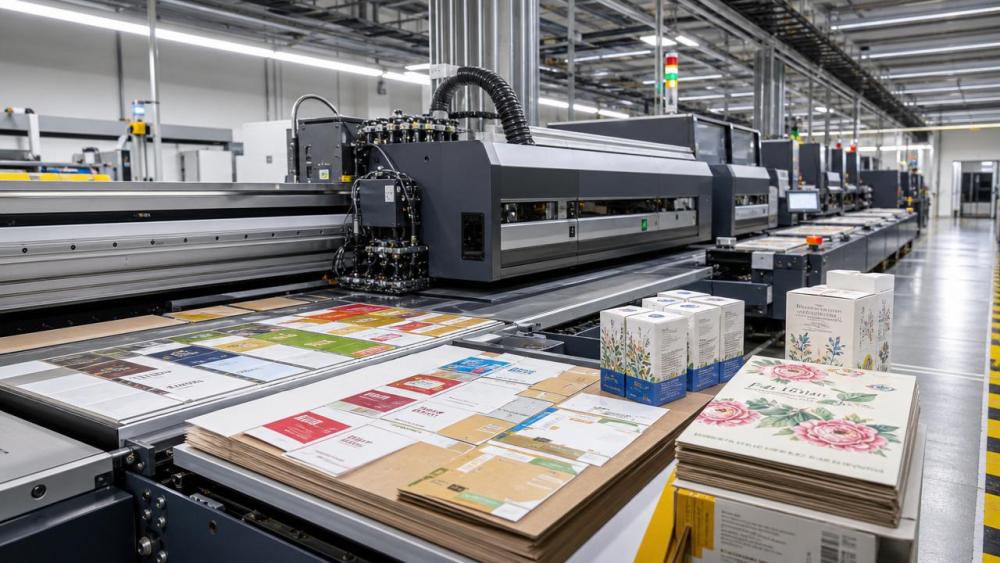
Several shifts are accelerating adoption. First, brands now launch more variants, seasonal editions, and localized graphics than ever before.
Second, online retail rewards packaging flexibility. Shorter campaigns and faster replenishment favor digital workflows over long setup cycles.
Third, inkjet printing technology reduces plate dependence. That lowers preparation time, trims waste, and supports profitable low-volume output.
Another strong driver is data integration. Variable content, barcodes, traceability marks, and regional information can be changed instantly during production.
For paper packaging systems, this means one production line can handle many SKUs without constant mechanical reset or tooling change.
IPPS closely tracks this change because digital print quality now connects directly with corrugation, converting, gluing, and logistics performance.
Why are short runs suddenly more valuable?
Short runs reduce inventory risk. They also help align production with real demand instead of forecasts that may quickly become inaccurate.
This is especially useful in FMCG, e-commerce packaging, promotional printing, pharmaceutical inserts, and customized paperboard applications.
- Less obsolete stock
- Faster artwork updates
- Better support for personalization
- Smoother regional compliance changes
How does inkjet printing technology compare with traditional printing for short runs?
The biggest difference is setup economics. Traditional methods often become efficient at scale, but they require plates, makeready, and longer preparation windows.
Inkjet printing technology performs differently. It favors responsiveness, versioning, and faster changeovers, especially when order volumes are fragmented.
Quality has also improved sharply. Better printheads, drop control, and color management now support sharper text, smoother gradients, and more stable output.
For corrugated and folding carton lines, digital inkjet can simplify pilot runs, market testing, and rapid design refreshes.
Where does each method still fit?
Which applications benefit most from inkjet printing technology?
The strongest gains appear where content changes often, lead times are short, and substrate diversity creates planning complexity.
In paper packaging, inkjet printing technology is increasingly useful for corrugated displays, transit packaging, mail-ready cartons, and branded e-commerce boxes.
It also performs well in inserts, instruction sheets, labels, security markings, and serialized print where version control matters.
Common high-fit scenarios
- Frequent SKU changes across consumer goods
- Seasonal retail packaging and limited editions
- Localized language or compliance content
- Test marketing before full-scale production
- On-demand replenishment for regional warehouses
The connection to broader industrial systems is important. Print quality must match downstream die-cutting, creasing, folding, gluing, and transport performance.
That is why IPPS places digital printing inside a wider equipment ecosystem rather than treating it as an isolated output device.
What should be evaluated before adopting inkjet printing technology?
A good decision starts with substrate behavior. Different papers, liners, coatings, and corrugated surfaces absorb and spread ink differently.
Printhead performance also matters. Resolution alone is not enough. Drop size control, speed stability, and maintenance design influence real productivity.
Workflow readiness is another key factor. Short-run gains can disappear if file handling, color approval, and finishing coordination remain manual.
Decision-making should also include ink chemistry, drying capability, energy use, and compatibility with post-press equipment.
Practical evaluation checklist
- Map actual order sizes and job frequency.
- Test target substrates under production speed.
- Measure color consistency across repeats.
- Check barcode readability and small text clarity.
- Validate die-cutting and gluing after printing.
- Review service response and spare parts access.
What risks and misconceptions surround inkjet printing technology?
One common misconception is that digital always means lower total cost. That is not universally true.
If volumes become stable and large, conventional methods may still remain more economical on a unit basis.
Another mistake is focusing only on headline speed. Real output depends on drying, substrate handling, inspection, and finishing synchronization.
There is also a quality myth. Some assume inkjet printing technology cannot meet premium packaging expectations.
In reality, modern systems can produce strong results, but only with tuned pretreatment, calibrated workflows, and disciplined maintenance.
Risk reminders
- Ignoring paper surface variability
- Underestimating color management needs
- Buying speed without workflow integration
- Overlooking operator training and upkeep
How do sustainability and supply chain goals connect to inkjet printing technology?
Sustainability is now a commercial requirement, not just a branding choice. Inkjet printing technology supports that shift in several practical ways.
Shorter runs reduce obsolete inventory and unnecessary overproduction. Digital setup also cuts some preparation waste associated with traditional changeovers.
For paper-based packaging, faster updates help align graphics with recycling guidance, certification marks, and changing regulatory information.
More importantly, digital agility supports regional production models. That can reduce transport distance, improve replenishment timing, and strengthen resilience.
Within the IPPS perspective, this links print intelligence, corrugated conversion, post-press precision, and smart automation into one greener system.
FAQ summary table
Inkjet printing technology is reshaping short runs because markets now reward flexibility as much as raw volume.
The most effective approach is to evaluate it as part of an integrated print, corrugation, finishing, and packaging workflow.
A practical next step is to benchmark current job patterns, test key substrates, and compare total operating impact rather than equipment speed alone.
With that discipline, inkjet printing technology can become a reliable engine for agile production, sustainable packaging, and smarter paper-based industrial growth.
Industry Briefing
Get the top 5 industry headlines delivered to your inbox every morning.
Recommended News