
Paper Converting Equipment Trends Shaping 2026 Lines
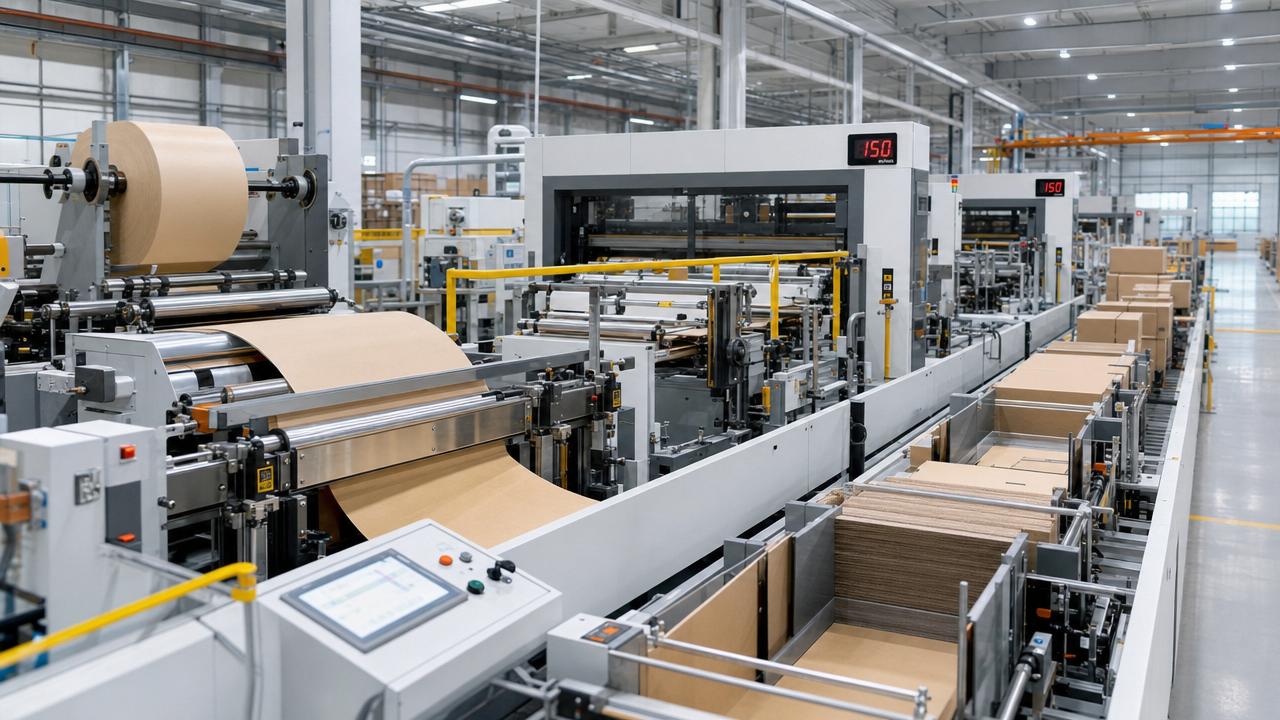
As 2026 approaches, paper converting equipment is moving into a sharper, smarter operating era. Automation, sustainability, and data precision now shape investment decisions across printing, corrugated, post-press, and tissue production.
This shift matters because output targets are rising while material tolerance is shrinking. Every meter of paper, every drop of ink, and every second of uptime now has stronger financial and environmental value.
For companies tracking packaging and paper transformation, paper converting equipment is no longer just a mechanical asset. It is becoming a connected production platform tied to quality, compliance, and speed.
Paper converting equipment is entering a tighter performance cycle
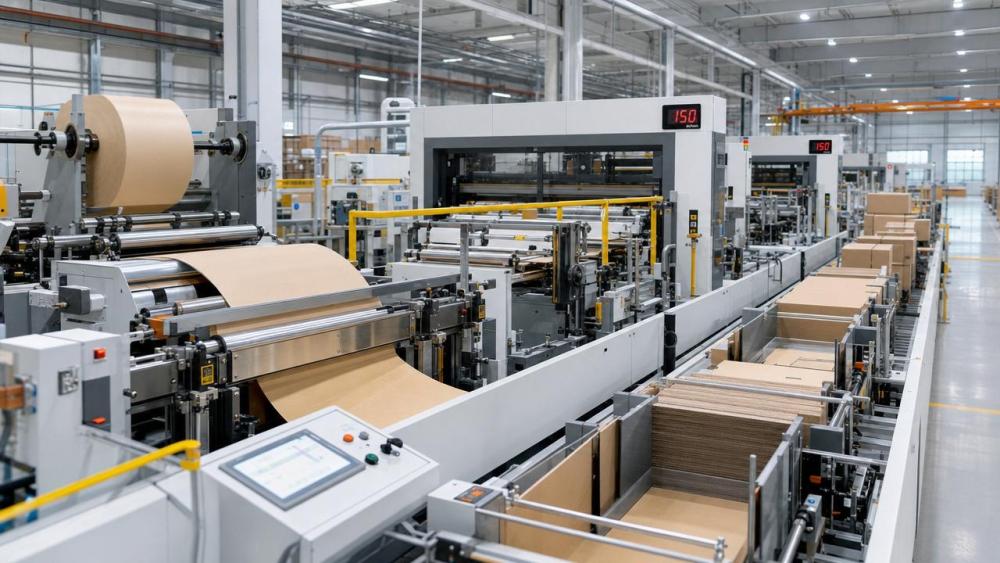
The market signals are clear. Order variability is increasing, SKU counts are expanding, and customer tolerance for defects is falling. That changes how paper converting equipment must perform in 2026 lines.
Shorter runs are no longer limited to premium jobs. They now appear in e-commerce shipping, food packaging, retail displays, hygiene products, and localized promotional formats.
At the same time, substrate diversity is expanding. Recycled content, lighter board grades, barrier-coated papers, and fiber-based alternatives challenge traditional setup assumptions.
This means modern paper converting equipment must react faster, self-correct earlier, and waste less during changeovers. Mechanical strength alone is no longer enough.
Five trend signals are reshaping 2026 production lines
Several connected signals explain why paper converting equipment is evolving so quickly. These signals affect both new line planning and existing asset upgrades.
- Higher automation expectations across feeding, registration, inspection, stacking, and material handling.
- Faster transitions between formats, board types, glue settings, and print data requirements.
- Stronger pressure to reduce trim loss, adhesive waste, energy use, and unplanned downtime.
- Rising demand for traceability, remote diagnostics, and digital performance visibility.
- More compliance pressure linked to FSC, EUDR, packaging waste rules, and sustainability reporting.
Together, these shifts push paper converting equipment toward integrated controls, adaptive mechanics, and software-led process optimization.
Why these trends are accelerating now
The drivers are not isolated. They come from logistics, consumer behavior, material science, labor conditions, and digital production economics.
For intelligence-led platforms like IPPS, these drivers also highlight why machine data and process interpretation have become strategic, not optional.
Automation is shifting from isolated modules to line intelligence
Earlier automation focused on single tasks. In 2026, the better benchmark is coordinated decision-making across the full converting line.
In corrugated systems, this means linking web tension, flute stability, slitting accuracy, and downstream stack formation. In folder gluers, it means synchronizing feeding, folding geometry, and adhesive timing.
In tissue processing, smart rewinding, embossing consistency, and pack-out automation are becoming tightly connected. In digital print finishing, inspection data now increasingly informs correction logic in real time.
What line intelligence looks like in practice
- Auto-recipe setup based on order type and substrate profile.
- Closed-loop registration and tension correction during speed changes.
- Vision inspection tied to reject handling and root-cause tracking.
- Remote diagnostics for servo, glue, printhead, and bearing performance.
- Operator interfaces that convert data into action prompts.
This is where paper converting equipment gains measurable value. Better intelligence reduces dependency on manual intervention and improves repeatability across shifts.
Sustainability is changing equipment design requirements
Sustainability is no longer a marketing layer added after installation. It is increasingly built into the mechanical, thermal, and control architecture of paper converting equipment.
Recycled paper can behave less consistently. Lightweight substrates may stretch or buckle faster. Fiber-based packaging alternatives may demand new creasing, bonding, or forming parameters.
As a result, future-ready paper converting equipment must handle variability without sacrificing speed. That requires precision transport, stable nip control, optimized adhesive use, and cleaner energy consumption profiles.
The sustainability features drawing the most attention
- Energy-efficient drives and heat recovery options.
- Lower glue application volumes with stronger process control.
- Waste analytics linked to substrate grade and setup stages.
- Design support for recyclable, mono-material, or plastic-replacement formats.
- Traceability data supporting environmental audits and customer reporting.
The impact reaches every major paper converting segment
The implications of these trends differ by process, yet the direction is the same. Paper converting equipment is becoming more adaptive, monitored, and value-sensitive.
Across all segments, the strongest pattern is convergence. Print, forming, converting, inspection, and packing are becoming more connected within one data-rich operating environment.
The most important points to monitor before 2026 line decisions
When reviewing paper converting equipment strategies, several checkpoints deserve close attention. These factors often determine whether an upgrade creates lasting productivity gains.
- Changeover time under real mixed-order conditions, not ideal test conditions.
- Tolerance performance with recycled, lightweight, or coated paper grades.
- Depth of machine data visibility, alarms, and historical analysis tools.
- Compatibility with upstream digital printing and downstream packing systems.
- Availability of predictive maintenance functions and remote service support.
- Evidence of lower waste, lower energy intensity, and stable long-run output.
These points help separate advanced paper converting equipment from systems that only appear modern on paper.
A practical response framework for the next planning cycle
A useful response starts with line visibility, then process discipline, then equipment alignment. Skipping that sequence often leads to expensive underperformance.
- Map current waste, downtime, and changeover losses by process stage.
- Identify which substrate and order changes create the highest instability.
- Prioritize paper converting equipment with measurable automation outcomes.
- Require data integration plans before approving major upgrades.
- Test sustainability claims against actual energy, scrap, and adhesive metrics.
- Use expert intelligence to compare technology maturity across segments.
Platforms such as IPPS add value here by connecting technical observations with broader market direction. That combination helps convert equipment data into stronger timing and strategy decisions.
The next move is to evaluate capability, not just capacity
The biggest 2026 advantage will not come only from faster machines. It will come from paper converting equipment that delivers repeatable quality, flexible response, and lower total operating waste.
Review line readiness through the lens of automation depth, material adaptability, data visibility, and sustainability performance. Those four dimensions now define long-term competitiveness.
If the goal is better output with less friction, the right next step is clear: assess where current paper converting equipment limits agility, then align upgrades with the trends already shaping 2026 lines.
Industry Briefing
Get the top 5 industry headlines delivered to your inbox every morning.
Recommended News