
Tissue Converting Machines: Common Setup Mistakes
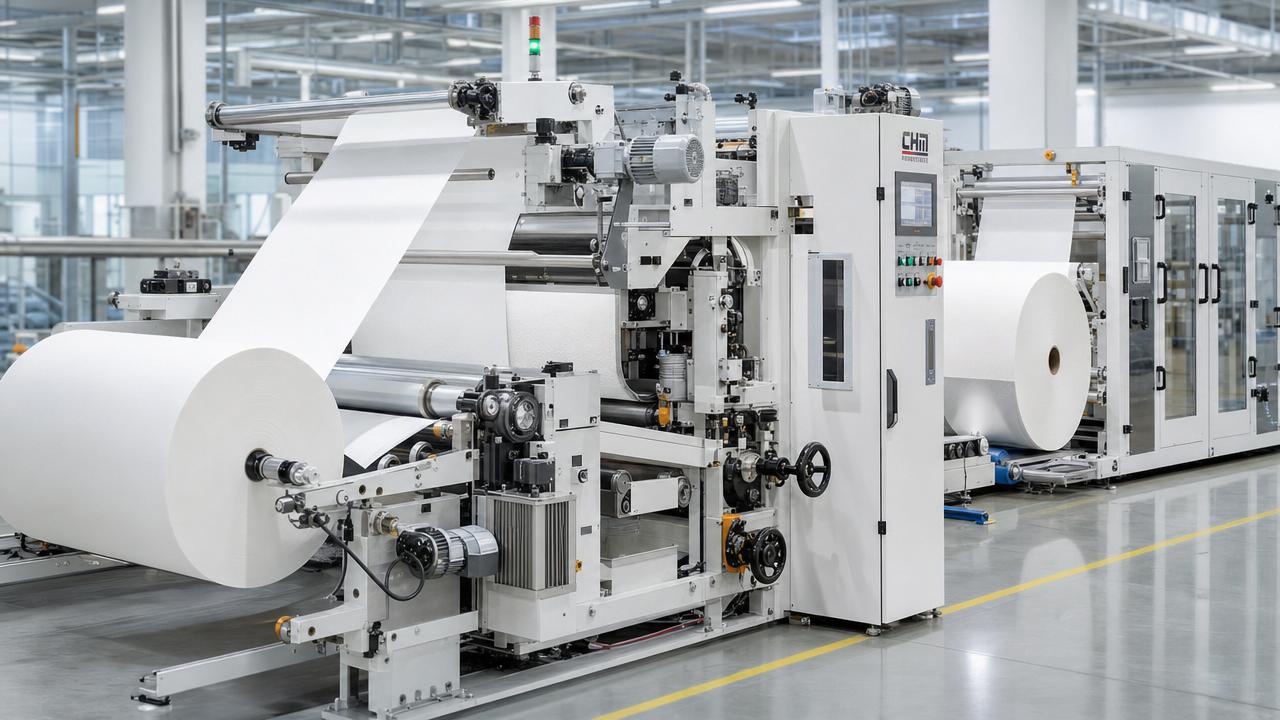
Even advanced tissue converting machines can underperform when basic setup details are missed. For operators, small errors in tension, alignment, embossing pressure, or rewinding settings can quickly lead to waste, downtime, and inconsistent product quality. This article highlights the most common setup mistakes and shows how to avoid them for smoother production, better efficiency, and more reliable tissue converting results.
Why do tissue converting machines lose efficiency during setup?
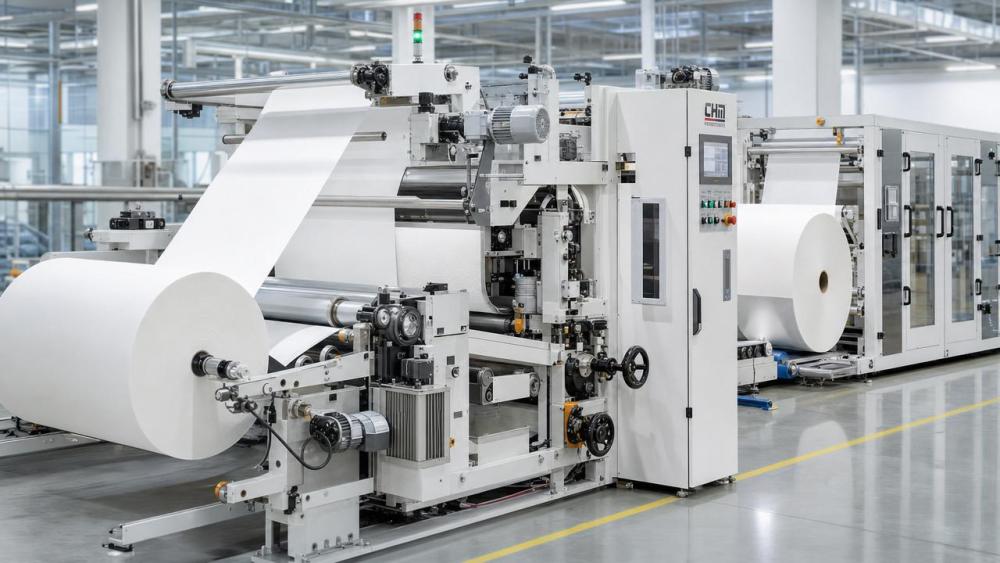
In daily production, tissue converting machines rarely fail because of one dramatic issue. More often, performance drops because several small setup errors stack together. A roll is mounted slightly off-center, web tension is set by feel instead of measurement, embossing pressure is pushed too high, or rewind hardness is adjusted without considering paper grade.
For operators, these mistakes create familiar consequences: edge breaks, poor log formation, unstable perforation, dust, uneven embossing, and reject rolls during packing. In high-speed tissue lines, even minor setup deviation can multiply into significant waste within one shift.
IPPS follows this issue closely because tissue processing machinery depends on the same core discipline seen across advanced print and paper systems: precise tension control, stable material flow, repeatable automation logic, and process consistency under speed. That makes setup quality a production variable, not a routine formality.
- A poor setup increases trim loss and parent roll waste before the machine reaches stable speed.
- Incorrect parameter balance can hide until packing, where soft logs, loose tails, or bad embossing become visible.
- Frequent readjustment reduces operator confidence and makes shift-to-shift quality difficult to standardize.
The most common setup mistakes in tissue converting machines
Operators usually face the same categories of setup problems, even when machine models differ. The details may vary between toilet tissue, kitchen towel, napkin, or facial tissue lines, but the root causes are similar: unstable web handling, mismatched pressure, incorrect material assumptions, and incomplete startup checks.
The table below summarizes the most frequent setup mistakes in tissue converting machines and the production symptoms they typically create.
This pattern matters because tissue converting machines are interactive systems. One poor setting in tension or alignment often forces compensation elsewhere, and that compensation usually creates a second defect. Skilled operation depends on controlling the process chain, not only one station.
Mistake 1: treating all tissue grades as if they behave the same
Virgin pulp tissue, recycled grades, laminated structures, and high-bulk premium products do not respond equally to tension, embossing, or rewind pressure. Operators who reuse one “safe” recipe across grades often see unstable quality. Setup should begin with paper characteristics, not habit.
Mistake 2: increasing pressure to solve visual defects
When embossing looks shallow or ply bond seems weak, the instinct is often to add pressure. That can hide the root problem instead of solving it. Misalignment, worn rolls, moisture variation, or poor tension balance may be the real cause. More pressure can flatten the sheet and reduce consumer feel.
Mistake 3: starting too fast before process stability is confirmed
Some operators accelerate quickly to recover time after a changeover. In tissue converting machines, that shortcut is risky. A line that appears stable at low speed can start drifting at higher speed, especially at unwind, perforation, and rewinding sections. Stability should be verified in stages.
How should operators check setup before full-speed production?
A disciplined startup routine reduces avoidable variation. It also shortens troubleshooting time because operators can isolate whether the issue came from raw material, mechanical condition, or parameter choice. Tissue converting machines respond best when setup is standardized and recorded.
- Confirm parent roll width, ply structure, basis weight, and core condition before loading.
- Check chuck engagement, roll centering, web path cleanliness, and guide roller condition.
- Set baseline tension, emboss pressure, perforation depth, and rewind hardness according to product specification.
- Run at low speed first and inspect edge tracking, ply alignment, pattern quality, and sheet release.
- Increase speed in steps while checking log shape, tail control, and transfer stability at each step.
This sequence sounds simple, but it reflects a broader smart-manufacturing principle also seen in digital print and corrugated systems: process control improves when each stage is measurable, repeatable, and linked to material behavior.
Which setup parameters deserve the closest attention?
Not every setting has equal impact. On most tissue converting machines, a few parameters drive the majority of startup quality problems. Operators who understand these priority points can correct defects faster and avoid unnecessary machine adjustment.
The next table provides a practical reference for operators evaluating tissue converting machines during setup, trial production, or troubleshooting.
When these settings are documented by product type, operators can build a repeatable setup library. That reduces dependence on guesswork and supports faster changeovers, especially in plants handling multiple SKUs and frequent order switches.
Tension control is usually the first place to investigate
IPPS pays special attention to web tension because it is a cross-industry control issue, from high-speed inkjet and corrugated board lines to rewind-based tissue systems. In tissue converting machines, unstable tension disturbs embossing, perforation, rewinding, and even final packaging geometry.
Rewinding quality should be judged by downstream performance
A log that looks acceptable at the rewinder may still fail at log saw, accumulator, or wrapping. Operators should assess rewind settings based on the full line result, not only the immediate roll appearance. This is especially important for soft grades and higher-speed production.
How to reduce waste during product changeovers
Changeovers are often where tissue converting machines lose the most value. Operators switch width, core size, emboss pattern, perforation pitch, or packaging format, and the line needs several corrections before it stabilizes. A structured method can reduce startup scrap and protect throughput.
- Use product-specific setup sheets rather than generic settings copied from the previous run.
- Record the actual stable values reached during production, not just nominal target values from the manual.
- Separate mechanical correction from parameter correction so the team does not change both at once.
- Inspect the first acceptable log at each speed stage and keep it as a visual reference for the shift.
Plants that process broad product mixes benefit most from this discipline. In markets shaped by e-commerce distribution, private label demand, and packaging efficiency pressure, shorter runs and faster transitions are becoming normal. That makes setup repeatability a commercial issue, not only a technical one.
What should operators watch when evaluating or selecting tissue converting machines?
Although this article focuses on setup mistakes, many recurring problems begin with machine selection. If a line offers limited tension feedback, poor access for adjustment, or weak recipe management, operators will spend more time fighting instability. Ease of setup should be part of any procurement decision.
The table below highlights practical selection points for tissue converting machines from an operator and production management perspective.
This is where a specialized intelligence view becomes useful. IPPS tracks how automation, data processing, and tension decoupling logic are evolving across paper-based manufacturing. For buyers and operators, that perspective helps connect machine architecture with real production behavior.
FAQ: practical questions operators ask about tissue converting machines
How do I know if tension is too high on tissue converting machines?
Typical signs include web breaks, stretched sheets, reduced emboss volume, unstable perforation, and logs that feel harder than expected for the grade. If defects worsen as speed rises, tension is a strong suspect. Check trend behavior, not only static setpoint value.
Should embossing pressure be adjusted first when pattern quality looks weak?
Not always. Weak pattern can come from tension, paper moisture variation, roll wear, or alignment problems. Pressure should be adjusted only after those factors are checked. Otherwise, operators may gain a deeper pattern while losing softness, bulk, or sheet integrity.
What is the most common startup mistake after a product change?
A frequent error is reusing the previous product recipe without adapting it to the new tissue grade, width, or core format. Another is increasing line speed before confirming stability at low and medium speed. Both mistakes create scrap that could be prevented with a staged startup routine.
Are tissue converting machines easier to run with more automation?
Automation helps when it improves recipe control, feedback accuracy, alarm clarity, and repeatability. It does not replace operator judgment. The best result comes from combining intelligent controls with trained personnel who understand how paper behavior changes under speed, pressure, and tension.
Why choose us for tissue machinery insight and decision support?
IPPS is built around the real operating logic of print and paper equipment, not just product descriptions. Our coverage connects tissue converting machines with wider paper-based manufacturing disciplines such as web handling, automation architecture, process stability, and sustainable production trends.
If you are comparing tissue converting machines, troubleshooting unstable setup, or planning a line upgrade, you can contact us for practical support on key decision points.
- Parameter confirmation for tension, embossing, perforation, rewinding, and startup sequence.
- Machine selection guidance based on product type, SKU complexity, and operator control needs.
- Delivery cycle and configuration discussions for new lines, upgrades, or process expansion.
- Customized solution review for integration with downstream cutting, packing, or broader paper processing systems.
- Compliance-oriented consultation where material traceability, sustainability expectations, or buyer documentation requirements affect equipment decisions.
A good tissue line does not start with speed alone. It starts with stable setup, clear process understanding, and better decisions before waste appears. If your team needs support on product selection, setup optimization, or quotation communication, IPPS can help you move from recurring adjustment to controlled production.
Industry Briefing
Get the top 5 industry headlines delivered to your inbox every morning.
Recommended News