
Tissue Rewinding: How to Reduce Waste During Changeovers
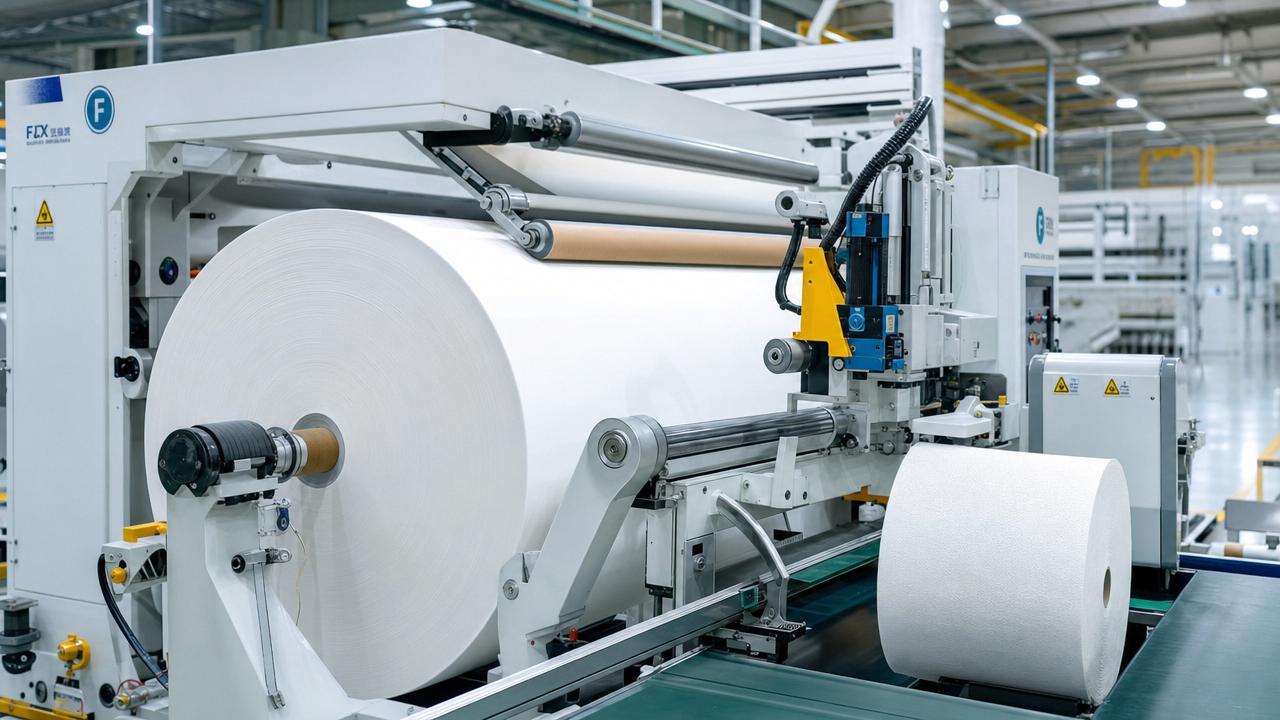
In tissue rewinding, changeovers often create more waste than many lines report. Lost meters, crushed cores, loose starts, and unstable roll build all add hidden cost. Reducing waste during tissue rewinding depends on disciplined setup, stable tension, accurate recipe control, and repeatable operator actions between one product run and the next.
Why a Checklist Matters in Tissue Rewinding Changeovers
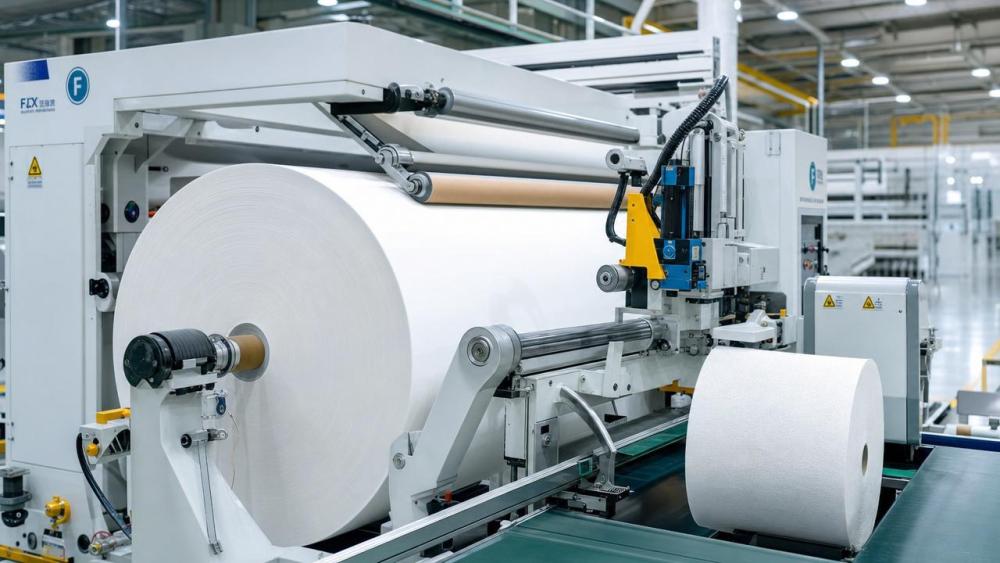
A checklist turns tissue rewinding from a reactive adjustment process into a controlled sequence. That matters because tissue is light, elastic, and sensitive to even small changes in web tension, glue timing, perforation phase, and roll hardness.
In mixed production environments, frequent SKU switches increase the risk of setup drift. A checklist helps standardize tissue rewinding practices, reduce startup scrap, shorten stabilization time, and protect downstream packing efficiency.
Core Checklist to Reduce Waste During Changeovers
Use the following execution points in sequence. Each step supports lower waste, faster stabilization, and more predictable tissue rewinding performance.
- Verify the next-job recipe before stopping the current run, including roll diameter, sheet count, perforation length, emboss pattern match, glue dose, and target rewind tension.
- Record the final stable settings from the previous successful order, then compare them with the incoming setup to identify high-risk parameter jumps before changeover begins.
- Inspect parent roll condition at loading, checking edge damage, moisture variation, telescoping, splice quality, and core integrity that could destabilize tissue rewinding startup.
- Clean web paths, rollers, slitters, glue nozzles, perforation units, and sensors before threading, because dust buildup and adhesive residue often create early waste and tracking errors.
- Set web tension by grade and basis weight, not by operator habit, since soft tissue structures respond quickly to small deviations during acceleration and core start.
- Align cores and verify chuck grip pressure carefully, because misalignment at the start of tissue rewinding leads to coning, loose edges, and rejected finished rolls.
- Confirm perforation registration and cut quality at low speed first, then increase speed only after sheet length, tear performance, and visual roll structure remain stable.
- Calibrate glue application to the shortest acceptable bead and timing window, avoiding both weak tail sealing and excessive adhesive that contaminates rolls and machine parts.
- Run a defined startup sample quantity and inspect every roll for hardness profile, diameter consistency, edge profile, tail seal, and unwind behavior before full production release.
- Log waste by cause during each changeover, separating threading loss, setting loss, quality rejection, and cleaning loss so future tissue rewinding improvements target the real problem.
Key Process Areas That Influence Waste Most
Tension Control
Tension is usually the biggest variable in tissue rewinding. If it is too high, the sheet stretches, perforation strength changes, and finished rolls become too hard. If it is too low, wrinkles, wandering, and loose starts become more common.
The best approach is to create grade-specific tension windows. Use narrow limits for startup, acceleration, and full speed. This reduces the number of trial adjustments after every changeover.
Recipe Accuracy and Automation
Manual entry creates avoidable errors. Wrong diameter targets, sheet counts, or glue timing settings can waste several parent-roll layers before detection. Recipe management reduces that exposure.
Where possible, lock critical tissue rewinding settings behind approved recipes. Allow manual fine-tuning only within controlled bands. That protects consistency across shifts and product families.
Operator Sequence Discipline
Waste often comes from the order of actions, not the actions themselves. For example, checking glue after speed ramp-up can hide startup defects. Checking perforation after waste has already accumulated delays correction.
A fixed changeover sequence improves repeatability. In tissue rewinding, repeatability is often more valuable than trying to save a few seconds with inconsistent shortcuts.
Additional Guidance for Different Production Scenarios
When Switching Tissue Grades
Moving from a stronger bath tissue to a softer facial tissue grade changes web behavior immediately. Fiber softness, ply bonding, and bulk affect tension response and roll density. Use separate startup settings instead of one shared baseline.
Pay extra attention to perforation and tail sealing. Softer structures may pass visual checks but still fail in consumer use if tear quality changes after the grade switch.
When Changing Roll Size or Sheet Count
Diameter changes affect winding time, torque demand, and roll firmness. Shorter rolls may stabilize faster, while larger consumer or away-from-home formats may require more careful ramp control.
In tissue rewinding, sheet count changes also affect perforation verification. A minor counting error can create a large quality claim if it reaches packaging and shipment.
When Running High-Speed Lines
At higher speed, setup errors become visible faster, but correction windows become smaller. A poor core start or delayed glue cut-off can produce many defective rolls in a short time.
Use staged acceleration. Hold the line briefly at an intermediate speed to confirm web tracking, perforation quality, and roll build before releasing the machine to target output.
Commonly Overlooked Risks in Tissue Rewinding
Ignoring Parent Roll Variability
Even with perfect settings, variable parent rolls can increase waste. Moisture differences, uneven caliper, or poor winding from upstream converting change how the web behaves at startup.
Treating Startup Scrap as Normal
If every changeover assumes a fixed scrap allowance, improvement stops. Startup waste in tissue rewinding should be measured and challenged by cause, not accepted as an unavoidable loss.
Skipping Short Cleaning Windows
Fast changeovers sometimes skip cleaning to save time. In practice, residue on rollers, sensors, and glue points often creates more rejects than the cleaning time would have cost.
Failing to Close the Data Loop
Waste records without review do not help. Changeover data should feed recipe updates, maintenance planning, and operator standard work so each tissue rewinding run starts from a better baseline.
Practical Execution Tips
- Standardize one approved startup sequence for each product family and post it directly at the rewinder.
- Use first-off inspection sheets that cover roll hardness, diameter, tail seal, perforation, and unwind feel.
- Separate mechanical issues from setup issues when reviewing tissue rewinding losses.
- Audit changeovers weekly and compare actual scrap meters against target startup loss.
- Update recipes whenever a proven setting change reduces waste across repeated runs.
Conclusion and Next Action
Reducing changeover waste in tissue rewinding is not about one adjustment. It comes from controlling tension, cleaning critical points, validating recipes, and following a repeatable startup sequence. Small improvements at each step protect output, quality, and machine efficiency.
Start with a simple action: measure waste from the next five changeovers by cause. Then tighten the checklist around the biggest loss point. In most tissue rewinding operations, that single discipline creates the fastest path to lower scrap and steadier production.
Industry Briefing
Get the top 5 industry headlines delivered to your inbox every morning.
Recommended News