
Precision Containment Solutions: Key Risks and Selection Criteria
Why Precision Containment Solutions Matter More Than They First Appear
For technical evaluators, Precision Containment Solutions sit at the intersection of safety, stability, uptime, and compliance. That sounds obvious, but in real production, the weak point is rarely the barrier itself.
The bigger issue is fit. A containment setup may test well on paper, then struggle when exposed to ink mist, paper dust, adhesive fumes, fiber drift, washdown cycles, or frequent format changes.
That is especially true across the IPPS landscape, where industrial digital printers, corrugated board lines, die-cutting systems, folder gluers, and tissue machinery all create very different contamination and exposure patterns.
A smarter selection process starts by asking a practical question: what exactly must be contained, under which process conditions, and what failure would hurt the operation most?
Below is a practical way to evaluate Precision Containment Solutions without getting lost in generic specifications.
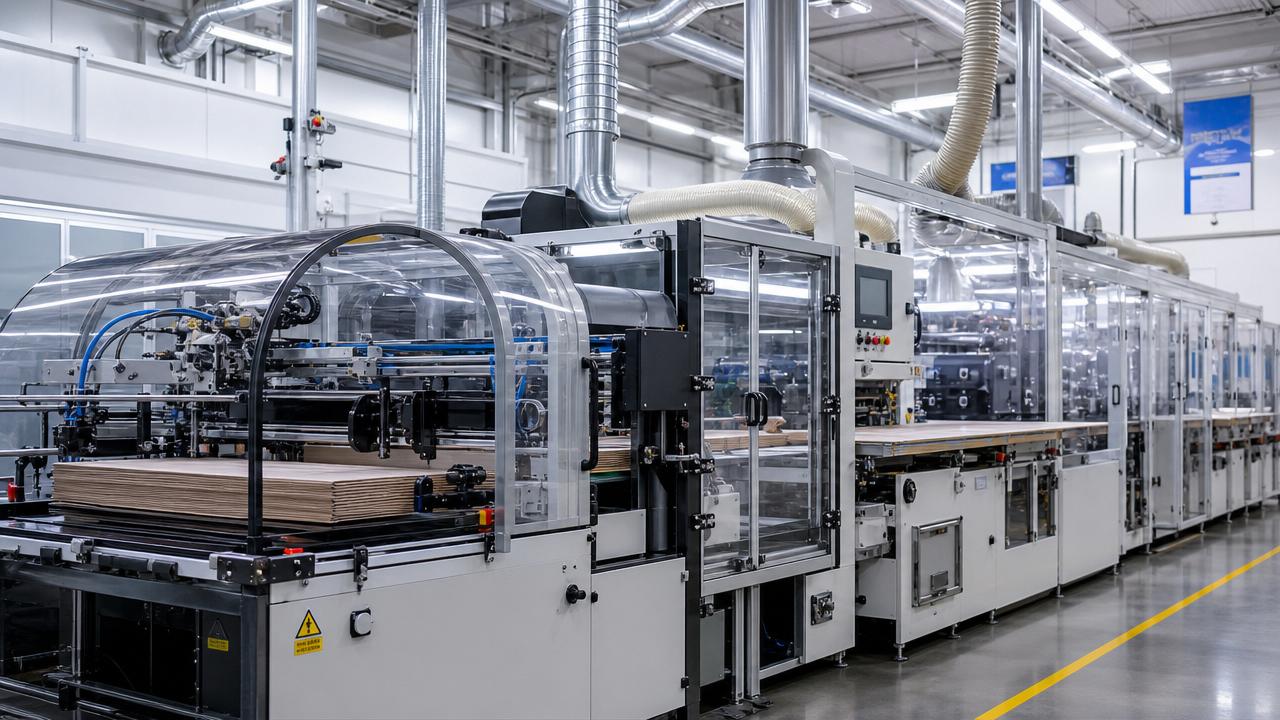
The image below highlights how containment interfaces with print, converting, and paper handling zones where airborne particles, splash, heat, and motion often overlap.
[Image 01: Precision containment interfaces across digital printing, corrugation, post-press, and tissue converting lines]
The First Risks to Clarify Before Comparing Options
Not every risk deserves the same weight. In fast industrial environments, Precision Containment Solutions should be screened against the few risks that actually drive total lifecycle performance.
- Start with the real hazard profile. Separate dust, vapor, overspray, fibers, heat, and splash because each one changes enclosure design, seals, airflow, and cleaning priorities.
- Map the release points, not just the machine. Look at unwind zones, printheads, glue stations, cutting points, embossing sections, and transfer interfaces where leakage usually begins.
- Rank failure consequences early. Product contamination, operator exposure, fire load, downtime, and rejected output do not carry equal cost in every process.
- Check dynamic conditions. Vibration, web tension shifts, pressure pulses, and speed ramps can reduce containment performance even when static tests look acceptable.
- Treat maintenance access as a risk factor. Frequent door opening, tool entry, nozzle service, and roller cleaning often break containment more than normal production does.
- Verify regulatory overlap. Material safety, hygiene expectations, housekeeping standards, and sustainability reporting can all shape the correct Precision Containment Solutions decision.
A common mistake in paper-based production
One common mistake is to define containment too narrowly. In corrugated and tissue environments, fiber migration can affect sensors, bearings, glue quality, print clarity, and packaging cleanliness at the same time.
So the right question is not only whether contamination stays inside. It is whether the chosen Precision Containment Solutions protect yield, machine health, and downstream consistency.
What to Check When Screening Precision Containment Solutions
Once the main risks are clear, selection becomes much more grounded. The following points help compare options in a way that reflects real operations, not brochure language.
- Review barrier integrity under production stress. Ask how panels, seals, joints, and windows perform during continuous motion, thermal cycling, and repeated sanitation.
- Assess airflow and pressure control together. Good Precision Containment Solutions balance capture efficiency with process stability, visibility, and energy use.
- Check material compatibility carefully. Inks, solvents, starches, hot melts, cleaning chemicals, and paper dust can all shorten service life if materials are mismatched.
- Measure integration difficulty. Cable routing, sensor placement, guarding logic, and access panels should fit existing automation without creating blind spots or delays.
- Look at cleanability by task, not theory. A design that is easy to wipe but hard to inspect or dry may still raise contamination risk.
- Ask for performance evidence from similar duty cycles. Reference conditions should match speed, substrate behavior, particulate load, and intervention frequency.
Why integration matters in IPPS-covered sectors
IPPS closely tracks systems where process precision and mechanical throughput must coexist. In high-speed inkjet, for example, containment cannot interfere with nozzle access, droplet accuracy, or substrate path control.
On a folder gluer or die-cutter, the issue shifts. Guarding, glue fumes, trim waste, and rapid intervention points make overly rigid containment a source of delay rather than protection.
How the Evaluation Changes by Production Scenario
Digital printing lines
For industrial digital printers, Precision Containment Solutions must protect print quality as much as people or equipment. Fine mist, dust, and unstable airflow can reduce jetting consistency and image reliability.
Focus on airflow discipline near printheads, access for maintenance, and whether the enclosure affects substrate tracking or drying efficiency. Tiny disturbances can become visible defects very quickly.
Corrugated board lines
Corrugators introduce heat, steam, tension, dust, and long machine footprints. Here, Precision Containment Solutions should be evaluated zone by zone rather than as one uniform shell.
The most useful check is whether containment supports stable housekeeping and protects critical sensing points without complicating threading, inspection, or roll-change procedures.
Die-cutting, stamping, and folding-gluing
Post-press systems create mixed risks. Fine trim waste, adhesive emissions, metallic foil particles, and frequent setup changes all push containment to be both precise and flexible.
Look closely at door cycles, jam-clearing routines, and cleaning frequency. If access is awkward, operators will bypass the intended workflow, and the value of Precision Containment Solutions drops fast.
Tissue converting environments
Tissue lines demand special attention to hygiene, lint control, and uninterrupted output. In these settings, poorly chosen containment may trap debris, create hard-to-clean corners, or reduce visibility during fast adjustments.
The best choice usually combines smooth cleanable surfaces, controlled access, and simple inspection points that support frequent sanitation without extending downtime.
Often Missed Details That Change the Decision
A technically acceptable solution can still underperform because of overlooked details. These are often the points that separate a stable installation from a frustrating one.
- Do not ignore visibility. If operators cannot inspect buildup, registration, or adhesive behavior easily, small issues turn into scrap or unplanned stops.
- Check seal aging in the real environment. Heat, cleaning agents, dust loading, and repetitive movement can degrade sealing faster than lab assumptions suggest.
- Review changeover impact. Precision Containment Solutions should support fast format switches, especially where customized packaging and short runs are increasing.
- Confirm sensor reliability inside the containment area. Dust, condensation, and glare can distort feedback signals and weaken automation performance.
- Look beyond purchase cost. Energy draw, filter use, spare parts, cleaning labor, and lost access time can outweigh the initial equipment price.
- Test failure recovery steps. A good design helps teams restore safe operation quickly after jams, breaks, or contamination events.
A Simple Comparison Table for Shortlisting
When several options look similar, a short scoring table helps keep the evaluation practical. Weight criteria according to process risk, not generic vendor claims.
Making the Final Call with Less Guesswork
The strongest Precision Containment Solutions are rarely the most complex. They are the ones that match the hazard, fit the machine logic, and stay usable through daily pressure.
In the IPPS view of smart paper-based manufacturing, containment should support digitalization, cleaner production, lower waste, and stable throughput together. If one of those breaks, the selection is probably incomplete.
A practical next step is to build a short evaluation sheet around three points: dominant risk, integration burden, and recovery after routine intervention. That usually exposes the right option faster than long feature lists.
When Precision Containment Solutions are judged through real operating conditions instead of generic ratings, the decision becomes clearer, more defensible, and much easier to implement well.
Industry Briefing
Get the top 5 industry headlines delivered to your inbox every morning.
Recommended News