
Packaging Automation Equipment Cost: What Drives Total Investment in 2026
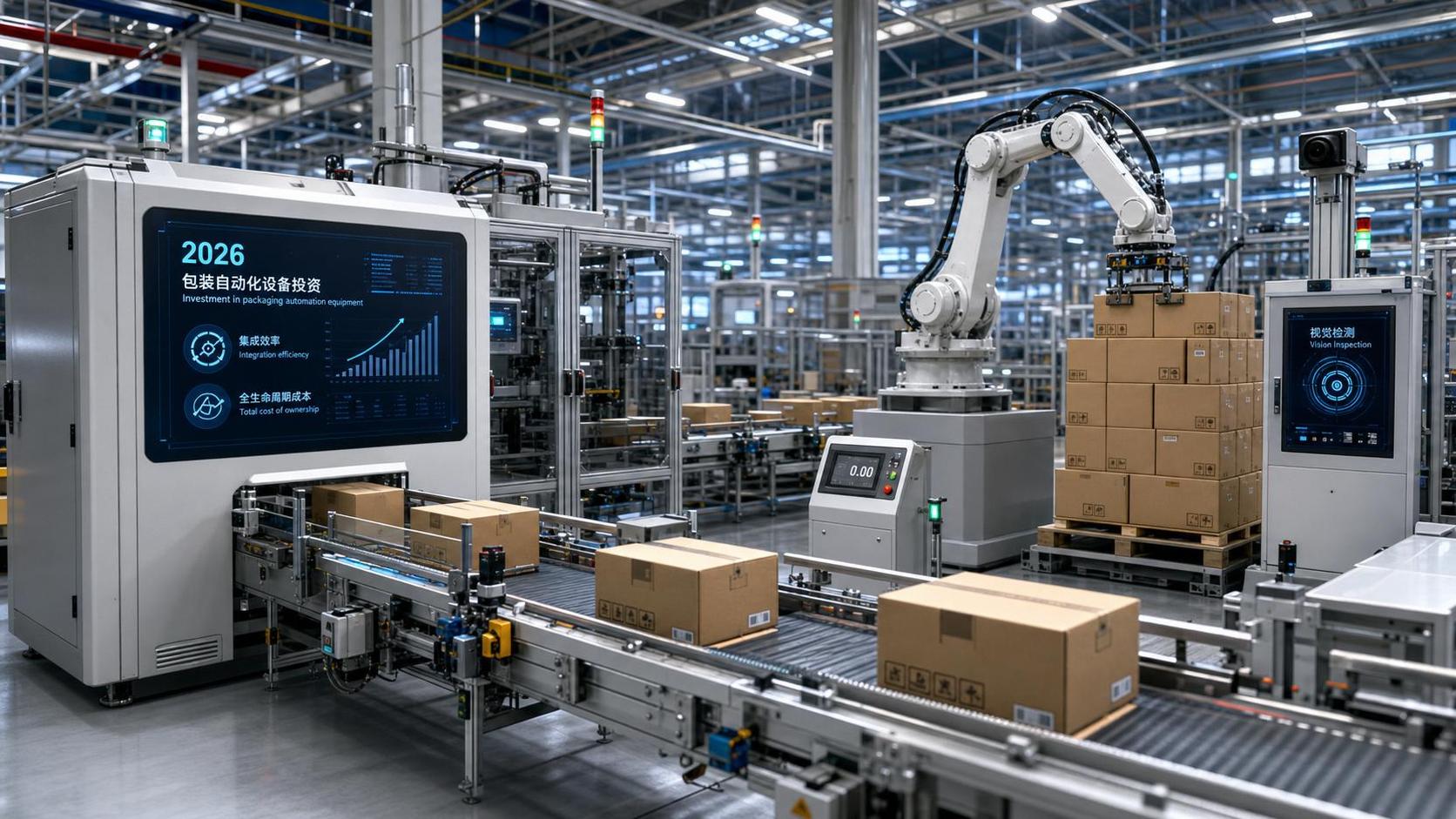
Packaging Automation Equipment Cost: What Drives Total Investment in 2026
Understanding packaging automation equipment cost is no longer just a procurement task. It is a capital strategy decision for 2026.
Machine price still matters, but it is only one layer of the full investment picture.
In practice, total spend is shaped by throughput goals, line integration, labor structure, utilities, maintenance exposure, and ramp-up risk.
That also means two systems with similar list prices can produce very different lifetime economics.
For 2026 planning, the better question is not only “What is the machine price?”
It is “What will this packaging automation equipment cost across installation, operation, uptime, and expansion?”
Why Packaging Automation Equipment Cost Is Rising in 2026
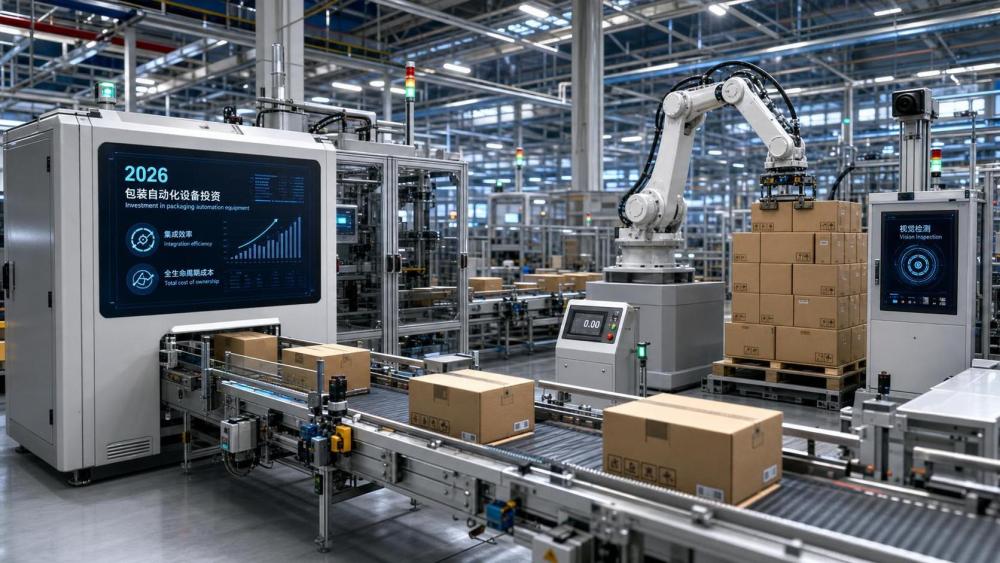
Recent market signals show a broader shift in how automation projects are specified and approved.
Equipment is becoming faster, more connected, and more energy-aware. Those upgrades improve output, but they also raise entry cost.
At the same time, packaging plants are handling shorter runs, more SKUs, and tighter delivery windows.
That pushes buyers toward flexible automated lines instead of isolated machines.
The result is a higher packaging automation equipment cost baseline, especially for systems that support real-time data, recipe changeovers, and labor-light operation.
Another factor is compliance pressure. Safer designs, traceability modules, and energy controls now move from optional to expected.
For capital approval, this means the old habit of comparing only upfront quotes is no longer enough.
The Five Main Drivers of Total Investment
A useful cost review starts with the biggest variables behind packaging automation equipment cost.
1. Throughput and speed requirements
Higher output targets usually require stronger frames, smarter controls, and better motion systems.
That lifts machine price, but also affects wear rates, spare parts, and utility demand.
If the line runs below planned capacity, return on investment weakens quickly.
2. Level of integration
Standalone machines are simpler to buy. Integrated systems are usually cheaper to run at scale.
Conveyors, robotics, vision inspection, coding, palletizing, and MES links all raise packaging automation equipment cost.
Still, they often reduce labor dependency, handling damage, and bottlenecks between process stages.
3. Changeover flexibility
Plants with many box sizes or product formats need fast setup and stable repeatability.
Servo adjustments, digital recipes, and automatic calibration increase initial investment.
But in mixed-SKU environments, those features often protect margin better than a lower-cost manual approach.
4. Operating efficiency
Energy use, adhesive consumption, compressed air demand, and scrap rates shape the real packaging automation equipment cost over time.
A cheaper system can become expensive if it wastes board, runs hot, or requires frequent manual correction.
5. Service and uptime support
Downtime is often the most underestimated part of packaging automation equipment cost.
Supplier response time, local parts availability, remote diagnostics, and technician training have direct financial value.
In high-volume packaging, one missed production window can erase apparent savings from a lower bid.
Hidden Costs That Distort Budget Approvals
Most budget overruns come from costs outside the base quotation.
This is where packaging automation equipment cost becomes a full-system issue.
- Site preparation, including floors, power drops, steam, air, and exhaust changes.
- Software integration with ERP, WMS, labeling, quality data, and production dashboards.
- Operator training, maintenance certification, and startup supervision.
- Pilot losses during commissioning, recipe tuning, and acceptance testing.
- Spare parts packages, wear kits, and preventive service contracts.
- Cybersecurity and remote access controls for connected packaging assets.
In actual purchasing reviews, these items can add 15% to 35% above equipment list price.
That is why comparing quotes without a total installed cost sheet creates false savings.
How to Evaluate ROI Without Overstating Savings
A strong capital case links packaging automation equipment cost to measurable operational outcomes.
The most reliable ROI models use conservative assumptions, not best-case marketing numbers.
- Start with baseline labor by shift, including overtime and temporary staffing.
- Measure current scrap, rework, mispack, and downtime losses.
- Model throughput at realistic OEE, not maximum rated speed.
- Add utilities, service, software, and consumables to annual operating cost.
- Stress-test the model with slower ramp-up and partial labor redeployment.
This approach shows whether packaging automation equipment cost is justified by structural gains or only optimistic assumptions.
For many facilities, the real value comes from uptime consistency and schedule reliability, not labor removal alone.
A Practical Cost Review Framework for 2026 Approvals
When several vendors look similar, a structured review keeps decisions grounded.
This framework turns packaging automation equipment cost into a decision based on business fit, not just quote ranking.
Where IPPS Intelligence Adds Value to Cost Decisions
In printing, corrugated conversion, post-press, and tissue automation, cost signals rarely move in isolation.
Board grades, ink behavior, glue performance, energy consumption, and logistics pressure all affect equipment economics.
IPPS tracks these technical and commercial shifts across industrial digital printers, corrugated board lines, die-cutting systems, folder gluers, and tissue machinery.
That wider view helps teams assess packaging automation equipment cost in the context of material volatility, sustainability compliance, and production strategy.
It also supports better timing on investments tied to e-commerce packaging growth and paper-based substitution trends.
Final Decision Points Before Approval
Before approving any automation package, bring the review back to a few hard questions.
- Does the packaging automation equipment cost reflect actual production mix, not peak assumptions?
- Are integration, training, and startup losses fully included?
- Is the vendor support model strong enough for your downtime tolerance?
- Will the system stay viable as packaging formats and sustainability demands change?
- Does the payback still work under conservative OEE and labor assumptions?
In 2026, the smartest approvals will come from teams that treat packaging automation equipment cost as a lifecycle investment.
That mindset improves capital discipline, reduces surprise spending, and supports automation that truly scales with demand.
Use total installed cost, operating reality, and service risk as the final lens. That is how better packaging investments get approved with confidence.
Industry Briefing
Get the top 5 industry headlines delivered to your inbox every morning.
Recommended News