
Box Making Machinery Pricing: Cost Drivers in 2026
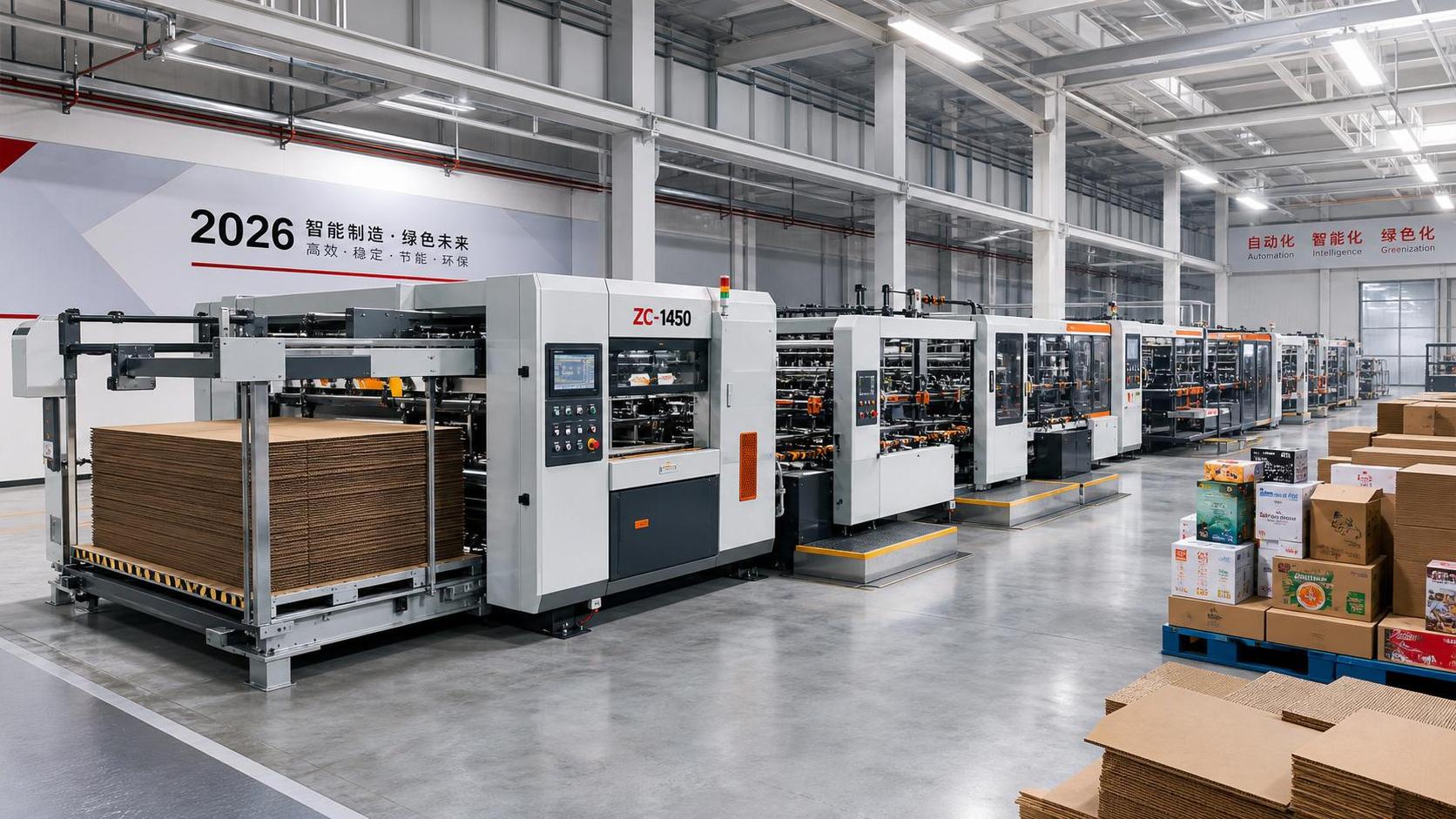
Box Making Machinery Pricing: Cost Drivers in 2026
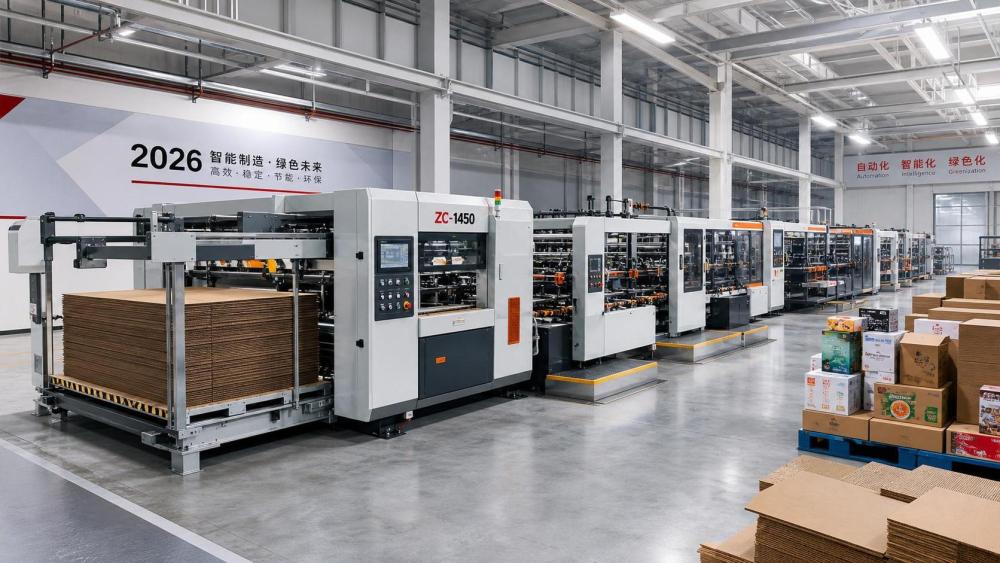
Box making machinery pricing in 2026 is no longer just about the quoted machine price.
The bigger issue is how each cost driver shapes total ownership, payback speed, and budget exposure over time.
That is especially true when comparing equipment for corrugated boxes, folding cartons, and short-run packaging formats.
In practice, two machines with similar output can create very different long-term financial results.
This is why box making machinery pricing must be reviewed through a full cost lens, not a purchase-order lens.
From recent market shifts, the clearest signal is this: automation, uptime, and energy efficiency now influence capital approval more than headline discounts.
Suppliers also price in compliance, software, operator dependency, and installation complexity more aggressively than before.
That means buyers need a structured way to compare machine cost, operating cost, and risk cost together.
Why 2026 Feels Different for Equipment Buyers
Box making machinery pricing in 2026 reflects a market with tighter margins and higher technical expectations.
Packaging plants are being asked to run faster, waste less board, and switch jobs more often.
At the same time, spare parts, freight, energy, and industrial labor remain cost-sensitive in many regions.
For this reason, machine builders are bundling more digital controls, remote diagnostics, and safety systems into standard offers.
Those additions improve output stability, but they also raise entry pricing.
A low quote can still look attractive.
However, lower upfront cost often shifts expense into downtime, reject rates, glue usage, setup time, or service dependence.
That is where careful review of box making machinery pricing becomes essential.
The Main Cost Drivers Behind Box Making Machinery Pricing
Most pricing differences can be traced back to a few core technical and commercial factors.
1. Automation Level
Semi-automatic systems cost less to buy, but they usually need more operators and longer setup time.
Fully automatic lines cost more upfront because they integrate feeders, aligners, gluing, folding, stacking, and inspection functions.
When labor cost is rising, higher automation can improve payback faster than expected.
2. Box Style and Board Range
Machines built for simple RSC box production are priced differently from lines handling die-cut shapes, multi-point gluing, or heavy corrugated formats.
A broader material range usually means stronger frames, better servo control, and more advanced feeding systems.
That flexibility increases box making machinery pricing, but it may reduce future replacement risk.
3. Running Speed and Output Stability
A fast machine is not valuable if it only reaches peak speed under ideal conditions.
The better question is how consistently it runs across mixed orders, changing board grades, and frequent job switches.
Stable throughput often justifies higher box making machinery pricing because usable output matters more than rated output.
4. Control Systems and Software
Modern platforms include recipe storage, remote troubleshooting, production analytics, and predictive maintenance alerts.
These features can lower unplanned downtime and improve planning accuracy.
They also add license fees, integration effort, and cybersecurity review requirements.
5. Compliance and Safety
CE readiness, guarding, dust control, electrical standards, and local certification can change project cost significantly.
This is often underbudgeted during early comparison stages.
Look Beyond the Quote: Total Cost of Ownership
A useful procurement review starts by separating capex from long-run operating expense.
This gives a more realistic view of box making machinery pricing.
- Purchase price and optional modules
- Freight, import duties, rigging, and installation
- Utilities, especially electricity, compressed air, and steam where relevant
- Consumables such as glue, belts, knives, and wear parts
- Operator training and shift staffing
- Planned maintenance and emergency service response
- Waste, startup scrap, and board loss during changeovers
In actual operations, these items can outweigh the initial machine quote over a five to seven year horizon.
This is why the cheapest option can become the most expensive one.
Typical Pricing Gaps and What Usually Causes Them
When comparing proposals, large price gaps usually come from specification boundaries rather than arbitrary supplier margins.
A disciplined review should normalize these differences before any approval decision.
How to Evaluate Payback Without Guesswork
The strongest approvals usually come from a simple operating model, not a perfect spreadsheet.
Start with annual volume, average order size, labor structure, current scrap, and target uptime.
Then compare the current cost per thousand boxes against the projected cost after the equipment investment.
A practical model should test at least three cases.
- Base case with expected throughput and standard utilization
- Conservative case with slower ramp-up and lower order stability
- Upside case with labor savings and premium product mix growth
This approach reveals whether box making machinery pricing still works when conditions soften.
It also helps expose offers that only look attractive under perfect assumptions.
Questions That Improve Supplier Comparison
In many tenders, better questions lead to better pricing clarity.
- What output is guaranteed on the actual board grades being used?
- Which options are mandatory for the quoted performance level?
- What is the expected changeover time between typical jobs?
- What local service capability exists for controls, mechanics, and parts?
- Which consumables are proprietary, and how are they priced?
- What training period is included before full handover?
- Which compliance items are excluded from the quote?
These questions make box making machinery pricing more transparent and far easier to compare on equal terms.
Where Market Intelligence Adds Real Value
Equipment pricing never moves in isolation.
Board price volatility, energy tariffs, sustainability rules, and e-commerce demand all affect machine investment logic.
That is where sector intelligence becomes useful.
IPPS tracks the machinery and process side of paper-based manufacturing with a focus on digital printing, corrugated forming, post-press converting, and tissue automation.
For buyers reviewing box making machinery pricing, that broader context helps connect supplier claims with real operating conditions.
It also supports more credible assumptions around efficiency, material usage, and technology lifespan.
A Practical Approval View for 2026
The cleanest decision framework is simple.
Treat box making machinery pricing as a combination of acquisition cost, operating efficiency, and downside protection.
A higher quote can be justified when it reduces labor dependency, cuts setup waste, supports more box formats, and improves service continuity.
A lower quote should only pass if the missing features do not create hidden expense later.
In 2026, the strongest equipment decisions will come from comparing real production economics, not list prices alone.
Use that lens, and box making machinery pricing becomes much easier to judge with confidence and discipline.
Industry Briefing
Get the top 5 industry headlines delivered to your inbox every morning.
Recommended News