
Automated Packaging Systems: ROI Risks Before Approval
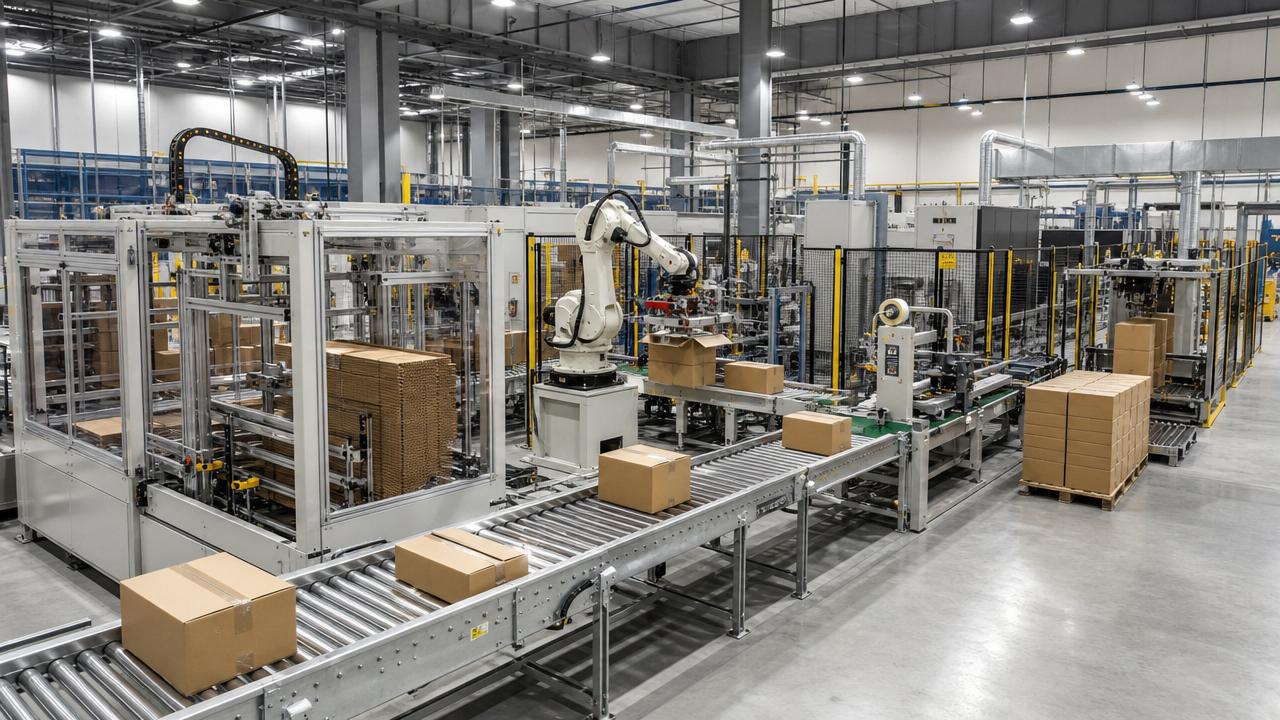
Before approving automated packaging systems, financial logic must come before equipment excitement. Fast cycle times and labor reduction claims often look convincing during demonstrations.
Yet the real return on automated packaging systems depends on integration quality, uptime stability, packaging mix, maintenance burden, and actual line behavior after startup.
In paper, print, corrugated, post-press, and tissue operations, hidden ROI risks can reshape payback periods by months or even years.
This article outlines the most common approval-stage blind spots, helping investment decisions become more disciplined, comparable, and operationally realistic.
What Automated Packaging Systems Usually Include
Automated packaging systems are not a single machine. They are linked assets, software, handling logic, controls, and material flows working as one production cell.
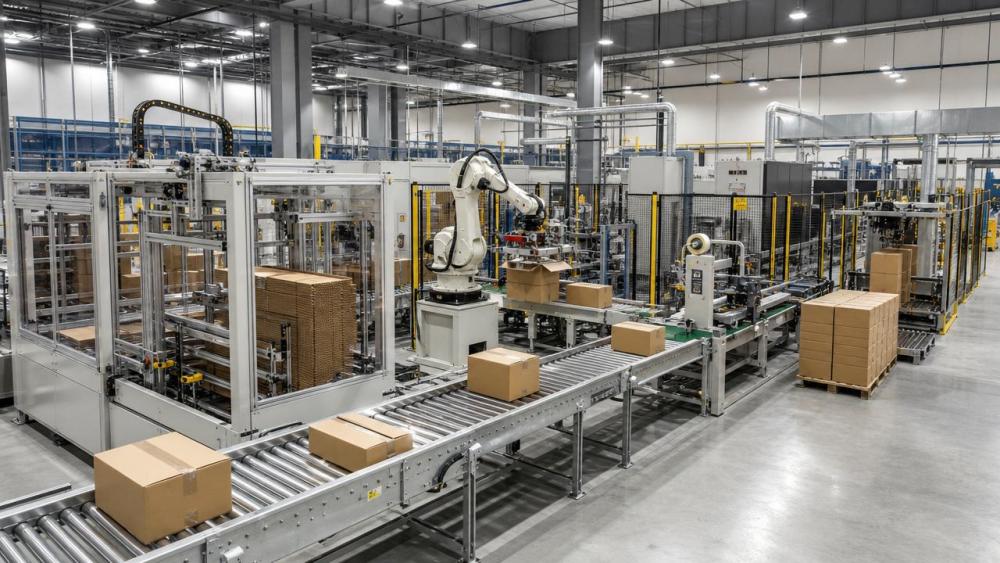
Typical configurations may include case erecting, carton feeding, robotic loading, sealing, labeling, vision inspection, palletizing, and data exchange with upstream equipment.
Within IPPS-related environments, automated packaging systems often connect with digital printers, corrugated board lines, die-cutters, folder gluers, and tissue converting lines.
That connection is why ROI analysis must extend beyond machine speed. It should measure system-level performance across substrate variation, changeovers, and shift-level consistency.
Core cost elements behind approval
- Capital expenditure for equipment, guarding, conveyors, and controls
- Installation, commissioning, and line integration engineering
- Utilities, floor preparation, and material handling redesign
- Operator training, technical support, and spare parts inventory
- Software licensing, data interfaces, and cybersecurity compliance
Current Industry Signals Affecting ROI
The business case for automated packaging systems is now shaped by labor volatility, SKU growth, e-commerce fulfillment pressure, and sustainability reporting requirements.
At the same time, packaging plants face tighter waste targets, rising energy sensitivity, and stricter expectations for traceability across print and paper workflows.
The Main ROI Risks Before Approval
Most automated packaging systems disappoint not because automation is wrong, but because the original assumptions were incomplete.
1. Integration gaps across the line
A packaging cell may run well alone but fail when linked to printers, die-cutters, folder gluers, or warehouse systems.
Handshake delays, buffer shortages, recipe mismatches, and poor data mapping often reduce practical throughput far below quoted machine speed.
2. Throughput assumptions based on ideal conditions
Vendor speed claims commonly reflect stable product dimensions, clean materials, and experienced crews. Real operations include stoppages, mixed orders, and uneven incoming quality.
For automated packaging systems, the relevant metric is sustained output over a shift, not peak speed during a short test.
3. Underestimated maintenance and support costs
Servo drives, sensors, glue units, vacuum components, vision tools, and robotics add precision, but they also add maintenance complexity.
If spare parts are imported, lead times can expose production to costly downtime. Software updates may also require paid specialist support.
4. Labor savings that never fully materialize
Automated packaging systems reduce repetitive manual work, but they often increase needs for technicians, setup specialists, and quality monitoring.
If the approval model assumes direct headcount removal without redeployment reality, the ROI case becomes fragile.
5. Packaging format complexity
The broader the SKU mix, the greater the setup burden. Corrugated box styles, board grades, inserts, labels, and closure methods all affect stability.
Automated packaging systems deliver strongest returns when product and packaging variation are engineered into the design phase.
6. Sustainability trade-offs hidden inside the system
A faster line can consume more compressed air, more power, or more overpack. Some systems need tighter material tolerances that increase rejected board or film.
Approval should compare emissions, waste, and material efficiency, not only labor and output.
Business Value When Risk Is Properly Framed
When evaluated rigorously, automated packaging systems can still create strong value across the broader industrial chain.
- Higher output consistency across long shifts
- Better traceability for printed, folded, and converted packaging
- Lower handling damage in corrugated and tissue formats
- Safer operations in repetitive or high-speed zones
- Improved responsiveness to e-commerce packaging volumes
The key is to calculate value from total equipment effectiveness, order profile fit, and lifecycle cost control rather than headline speed alone.
Typical Packaging Environments and Risk Profiles
Not all automated packaging systems face the same approval risks. The operating context changes the financial logic.
Practical Checks Before Approval
A better review process for automated packaging systems should test assumptions in operational terms, not just commercial terms.
Use a realistic ROI model
- Model average shift output, not nameplate speed
- Include setup time, scrap, and micro-stoppages
- Separate direct labor savings from labor redeployment
- Include utilities, software, and annual maintenance
Request proof under production-like conditions
Validation should use actual board grades, carton styles, label variants, and order patterns. Short tests with perfect material can mislead approval teams.
Check the integration map early
Review PLC interfaces, MES or ERP links, barcode logic, reject handling, and upstream buffering before the purchase order is finalized.
Plan serviceability, not just installation
Automated packaging systems should be reviewed for spare parts strategy, local support capability, remote diagnostics, and technician training depth.
Measure sustainability at line level
Track energy per packed unit, waste rate, glue use, compressed air demand, and material downgauging potential. These factors increasingly influence total value.
A Disciplined Next Step
Automated packaging systems deserve approval only after operational fit, lifecycle cost, and integration exposure are made visible in one decision framework.
For print, paper, corrugated, post-press, and tissue operations, the strongest business case combines realistic throughput, maintainability, material compatibility, and sustainability performance.
A practical next move is to build a side-by-side scorecard covering capex, uptime risk, labor reality, changeover loss, support readiness, and environmental impact.
That approach turns automated packaging systems from a promising concept into a measurable investment decision with fewer surprises after installation.
Industry Briefing
Get the top 5 industry headlines delivered to your inbox every morning.
Recommended News