
Tissue Machinery Rewinder: Common Faults and Fast Fixes
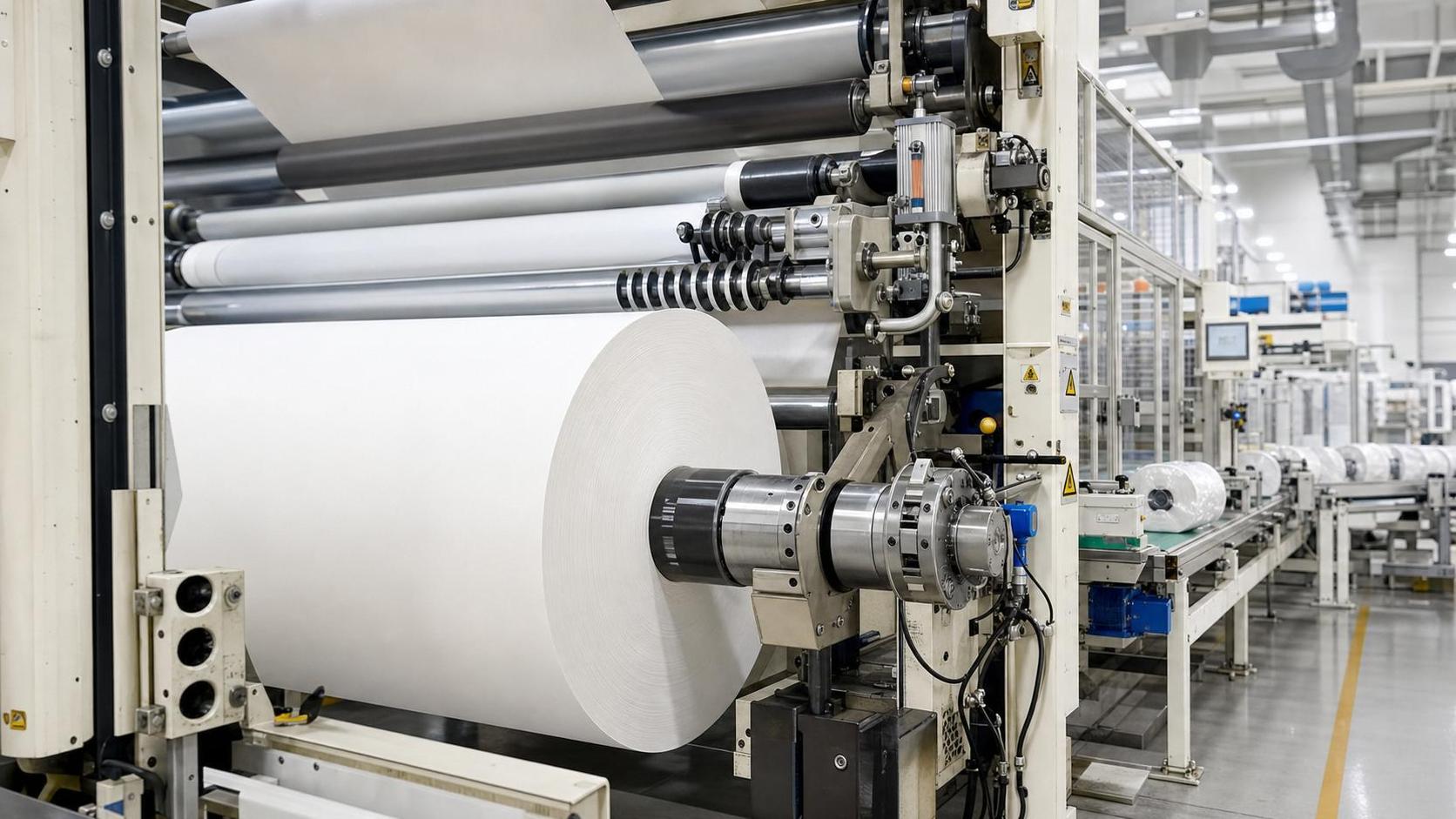
When rewinder faults start affecting output, the first job is to read the production context
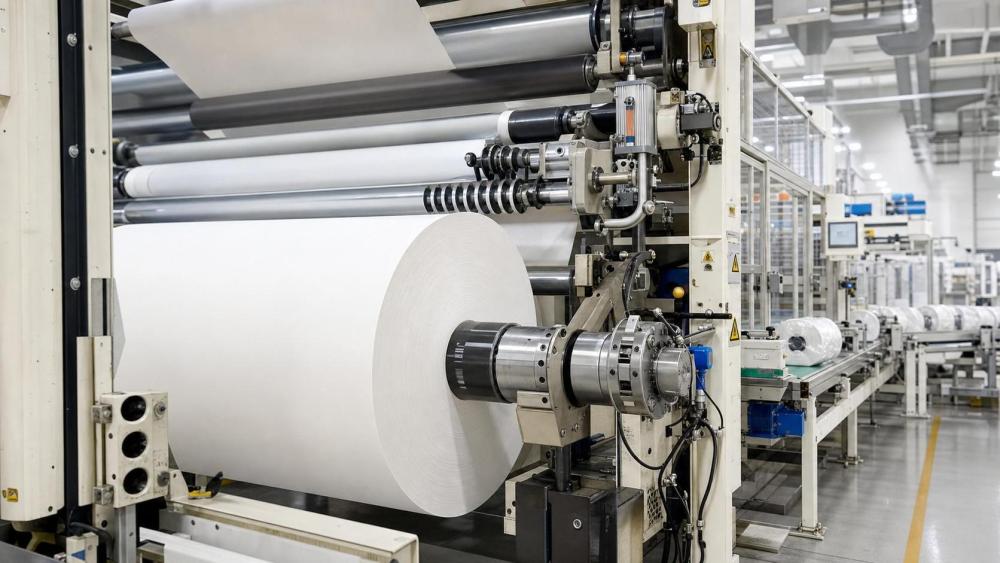
A tissue machinery rewinder rarely fails in isolation. Poor roll shape, tension drift, and random stops usually reflect a wider process condition.
In high-speed tissue converting, the same alarm can mean very different things. Parent roll quality, embossing load, knife condition, and control response all change the diagnosis.
That is why fast troubleshooting should begin with scene-based judgment. A line running bath tissue behaves differently from one handling soft facial grades.
Within the broader IPPS view of paper-based manufacturing, rewinders sit at a critical point. They connect web handling precision with downstream packaging efficiency.
When the tissue machinery rewinder becomes unstable, the impact moves beyond one machine. Roll consistency, packing speed, waste levels, and energy use all shift quickly.
In practice, the fastest repairs come from linking symptoms to operating conditions, not from replacing parts too early.
The same symptom does not mean the same root cause
A tissue machinery rewinder handling stable jumbo rolls in a controlled room has a narrow fault range. A line facing paper variability has a much wider one.
This matters because tissue grades respond differently to tension, nip force, and speed changes. Softer sheets mark easily. Heavier grades resist winding but punish weak knife setups.
More importantly, automated tissue machinery now operates inside tighter efficiency targets. Short stops that once looked acceptable now disrupt packaging synchronization and labor planning.
A useful rule is simple. Judge the tissue machinery rewinder by product behavior, machine response, and repeatability across shifts, not by one isolated event.
When tension drift appears during speed changes
This is common during acceleration, deceleration, or parent roll changeover. The web looks stable at steady speed, then starts wandering when dynamics change.
In many cases, the issue is not the brake alone. Load cell drift, dancer lag, drive tuning, or worn rollers may be distorting the feedback loop.
The fast fix is to compare set tension, actual feedback, and motor response during a speed ramp. If the deviation appears only in transition, tune control first.
If drift continues at constant speed, inspect roller contamination, bearing drag, and parent roll edge condition. Mechanical resistance often hides behind a control alarm.
When roll edges become uneven or telescoped
Uneven edges usually point to alignment, core positioning, or nip consistency. Telescoping often shows up later, after rolls leave the rewinder.
This is where context matters. A high-bulk product can tolerate less side pressure than a denser toilet tissue grade.
Check slitter overlap, winding shaft parallelism, and core chuck grip. Then verify whether the defect starts at the first turns or only near full diameter.
Early distortion suggests setup error. Late distortion often suggests tension buildup, weak cores, or inconsistent hardness control in the tissue machinery rewinder.
When unexpected stops happen without an obvious paper break
Frequent stopping is often misread as an electrical problem. Sometimes it is, but sensor logic and interlock timing deserve equal attention.
Dust accumulation around photoeyes, unstable encoder signals, and loose connectors can trigger false stops. Tissue environments are clean by product standards, yet still dusty for controls.
A practical step is to pull the stop history by event sequence. Repeated faults on one safety chain or one input channel usually reveal the real source faster.
Different production situations change what the tissue machinery rewinder needs
Field troubleshooting becomes easier when operating conditions are grouped by demand pattern rather than by machine component alone.
This comparison matters because the best fix depends on what the line is trying to protect. In some cases, appearance matters most. In others, uptime dominates.
Fast fixes that usually work, and when they do not
Certain corrections restore a tissue machinery rewinder quickly, but only when the symptom pattern is clear.
- Recalibrate load cells when tension values drift slowly over time and differ between recipe settings.
- Clean and inspect guide rollers when wrinkles appear intermittently and move across the web width.
- Retune acceleration ramps when breaks happen mainly during startup or parent roll transfer.
- Replace worn slitters or perforation knives when edge fuzz, dust, or unstable cut quality grows across one shift.
- Review PLC alarm logs when emergency-like stops occur without matching mechanical evidence.
Still, quick fixes fail when root causes overlap. A tissue machinery rewinder with poor tension data and damaged bearings may improve briefly, then return to the same fault.
That is why IPPS-style process intelligence matters. Rewinder troubleshooting should combine controls, mechanics, and material behavior, not isolate them.
Where teams often misread the fault
One common mistake is trusting nominal machine parameters more than live production evidence. A tissue machinery rewinder can be “within settings” and still run poorly.
Another mistake is treating similar grades as identical. Small changes in moisture, ply bonding, or embossing depth can alter winding behavior more than expected.
It is also easy to ignore upstream variation. Parent roll hardness, splice quality, and web edge damage often create rewinder faults that no local adjustment can fully solve.
A third blind spot is maintenance timing. Replacing components after failure is expensive on automated tissue machinery, especially when downstream packing depends on stable roll handoff.
In actual use, the better approach is to separate repeat faults from random faults. Repeat faults usually reveal a process pattern. Random faults often point to connections, contamination, or wear.
A practical way to match fixes to real operating conditions
For a tissue machinery rewinder, the best troubleshooting routine is short, structured, and repeatable.
- Capture the symptom by speed, grade, roll diameter, and shift timing.
- Check whether the fault begins at startup, transition, or steady production.
- Compare machine data with physical roll evidence, not alarms alone.
- Test one change at a time and confirm whether the result repeats.
- Record the final condition as a usable setup standard for the next run.
This method helps in mixed manufacturing environments, where tissue operations increasingly share digital maintenance expectations with printing, corrugating, and post-press systems.
The wider paper industry is moving toward lower waste, tighter traceability, and more automated response. A tissue machinery rewinder that is easy to diagnose supports all three.
Before the next stoppage, define the rewinder conditions that matter most
Most rewinder faults become manageable once the operating scene is clear. Tension issues, roll defects, and stop events should be judged against grade, speed, and downstream dependency.
The useful next step is to build a short fault map for each recurring production condition. Include key alarms, paper features, machine settings, and the repair that actually worked.
That kind of record turns the tissue machinery rewinder from a reactive maintenance problem into a controlled process node.
For operations tracking wider paper-based equipment trends through IPPS, this is the same principle seen across digital print, corrugated, and converting lines: reliable output starts with precise process judgment.
Industry Briefing
Get the top 5 industry headlines delivered to your inbox every morning.
Recommended News