
Polymer Gaskets: Key Failure Risks in Harsh Use
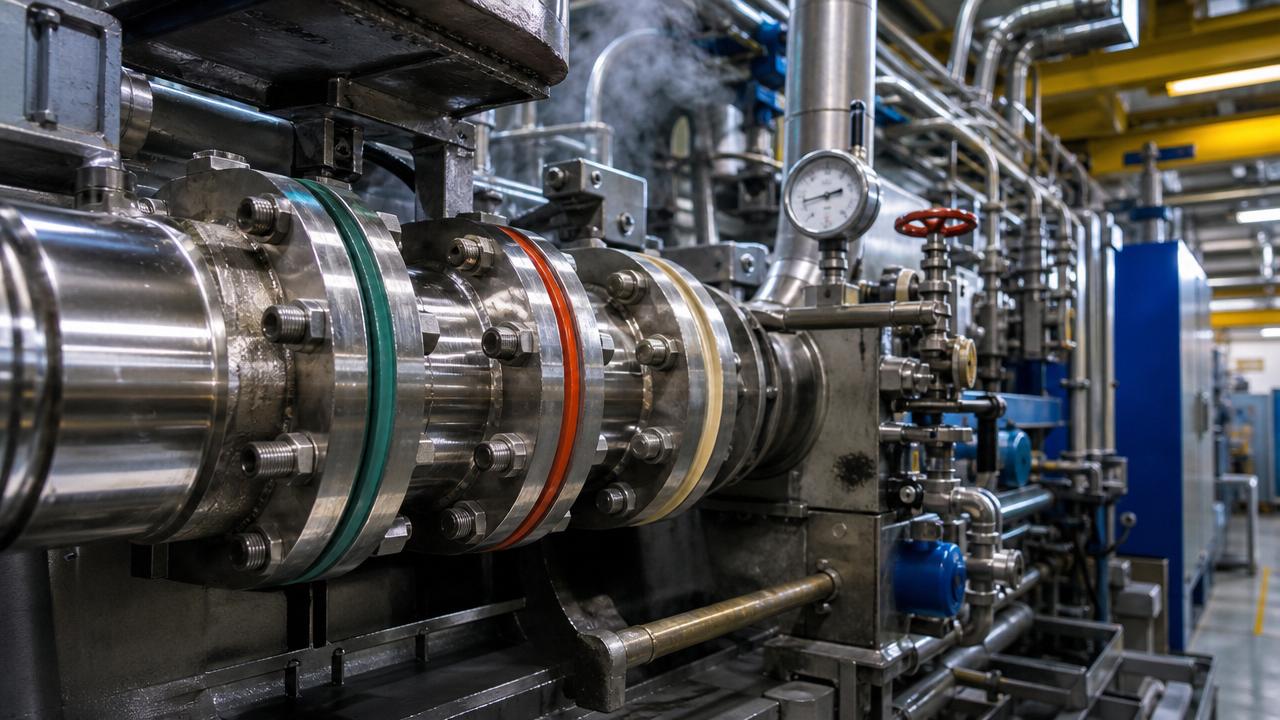
In high-speed printing, corrugating, post-press, and tissue machinery, Polymer Gaskets often work behind the scenes, yet their failure can trigger leaks, contamination, pressure loss, overheating, and unplanned shutdowns.
Understanding how aggressive chemicals, steam, compression set, vibration, and temperature cycling affect Polymer Gaskets is essential for protecting uptime, safety, and product consistency.
This article explains key failure risks in harsh industrial use and shows what to monitor before minor gasket degradation becomes a costly production issue.
What Are Polymer Gaskets in Harsh Industrial Machinery?
Polymer Gaskets are sealing components made from elastomers, fluoropolymers, thermoplastics, or engineered rubber compounds.
They fill microscopic gaps between flanges, covers, pumps, valves, dryers, ink circuits, steam joints, and pneumatic modules.
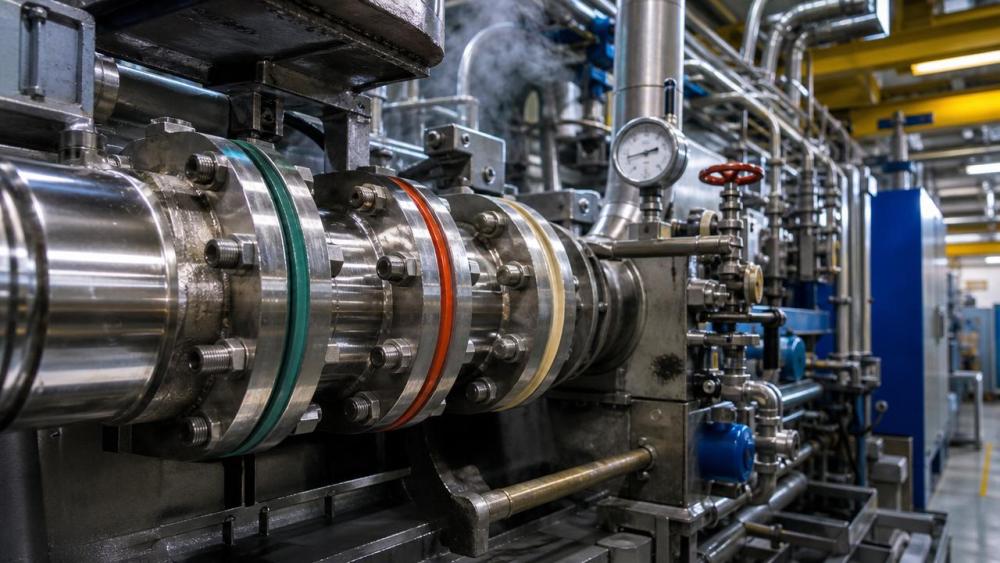
In paper and packaging equipment, Polymer Gaskets face unusual combinations of heat, moisture, fiber dust, solvents, oils, vibration, and continuous compression.
A gasket may appear simple, but its material behavior changes under load, time, temperature, and chemical exposure.
In digital printers, Polymer Gaskets help control ink delivery, cleaning fluids, vacuum zones, and cooling paths.
In corrugated board lines, they seal steam systems, condensate circuits, hydraulic units, and high-temperature mechanical interfaces.
In folder gluers and tissue machines, Polymer Gaskets support adhesive systems, lubrication points, pneumatic actuators, and hygienic processing areas.
Why are Polymer Gaskets considered critical parts?
A failed gasket can cause more than a visible leak.
It can alter pressure stability, shift temperature balance, contaminate paper surfaces, or allow air ingress into sensitive fluid systems.
For automated paper-based manufacturing, small sealing losses often become quality defects before they become obvious mechanical faults.
Which Chemical Risks Damage Polymer Gaskets First?
Chemical attack is one of the most common reasons Polymer Gaskets fail earlier than expected.
The risk is not limited to strong acids or caustic cleaners.
Ink solvents, wash solutions, defoamers, adhesives, lubricants, coating additives, and biocides can slowly change gasket properties.
Chemical exposure may cause swelling, hardening, softening, cracking, or extraction of plasticizers from Polymer Gaskets.
Swelling can reduce clearance, increase friction, and distort the sealing profile.
Hardening reduces elasticity and makes the gasket less able to follow flange movement.
Softening can make Polymer Gaskets extrude under pressure, especially near narrow sealing lands or sharp edges.
How should chemical compatibility be checked?
Compatibility should be checked against the real process fluid, not only a generic chemical family.
A water-based ink may include surfactants, amines, glycol ethers, or pigments that affect Polymer Gaskets differently.
Cleaning cycles also matter because short exposure at high concentration can cause rapid surface degradation.
- Review the full fluid list, including cleaners and emergency flushing agents.
- Check temperature during exposure, not only room-temperature compatibility charts.
- Inspect Polymer Gaskets after process changes, ink reformulation, or new adhesive trials.
- Avoid assuming one elastomer grade works across every machine zone.
Material names such as EPDM, NBR, FKM, silicone, PTFE, and polyurethane do not guarantee universal performance.
The compound formulation, filler system, hardness, and curing quality also influence Polymer Gaskets under harsh use.
How Do Heat, Steam, and Temperature Cycling Cause Failure?
Heat accelerates aging in Polymer Gaskets by increasing oxidation, chain scission, crosslinking, and volatile loss.
Steam adds another challenge because it combines temperature, moisture, pressure, and possible condensate chemistry.
Corrugators, dryers, preheaters, and sterilized tissue zones can expose Polymer Gaskets to repeated thermal stress.
Temperature cycling is especially harmful when machinery starts cold, heats rapidly, stops, and then cools again.
Different materials expand at different rates, so Polymer Gaskets must absorb movement without losing contact pressure.
What warning signs appear under thermal stress?
Thermally aged Polymer Gaskets often show glazing, surface cracks, brittleness, flattening, or loss of rebound.
Leaks may appear only during heat-up or cool-down, then disappear during steady-state operation.
This intermittent behavior can be misleading because it suggests an assembly issue rather than material fatigue.
Steam applications require special attention to compression load, gasket thickness, and hydrolysis resistance.
Some Polymer Gaskets resist dry heat well but degrade quickly in hot water or saturated steam.
What practical controls reduce thermal failure?
- Match the gasket grade to peak temperature, not only average temperature.
- Avoid rapid tightening while flanges are thermally unstable.
- Record leak patterns during start-up, shutdown, and speed changes.
- Use controlled torque procedures to protect Polymer Gaskets from uneven load.
Why Does Compression Set Reduce Sealing Reliability?
Compression set is the permanent deformation that remains after Polymer Gaskets have been compressed for a period.
When compression set becomes excessive, the gasket cannot recover enough to maintain sealing force.
This risk increases under heat, over-tightening, long service intervals, and poor groove design.
In continuous production, Polymer Gaskets may remain compressed for months while also facing vibration and pressure pulses.
A flattened gasket may still look intact, but its ability to seal dynamic micro-gaps is reduced.
How does over-compression happen?
Over-compression can result from excessive torque, missing stops, flange distortion, or using the wrong gasket thickness.
It may also occur after replacing original Polymer Gaskets with visually similar but softer alternatives.
If the material is too soft, it can extrude, creep, or take a permanent set under normal clamping force.
If the material is too hard, it may not conform to scratches, waviness, or imperfect mating surfaces.
What should be measured during inspection?
- Original thickness versus removed thickness.
- Visible extrusion at the inner or outer edge.
- Uneven imprint patterns across the sealing face.
- Loss of rebound after light finger pressure.
- Cracks near bolt holes or high-load corners.
These checks help determine whether Polymer Gaskets are failing from material aging, incorrect installation, or poor hardware condition.
How Do Vibration, Pressure Pulses, and Misalignment Affect Polymer Gaskets?
High-speed machinery creates vibration from motors, rollers, pumps, cutters, fans, compressors, and sheet transport systems.
Pressure pulses can come from ink pumps, glue applicators, hydraulic circuits, pneumatic valves, and steam traps.
Polymer Gaskets must survive these forces while maintaining controlled contact stress.
When bolts loosen or flanges move, micro-sliding may abrade the gasket surface.
Misalignment can concentrate stress on one side, causing local crushing and early leakage.
What failure modes are linked to mechanical movement?
Common signs include fretting marks, cut edges, torn bolt holes, extrusion, uneven compression, and powdery debris.
In inkjet platforms, vibration can disturb sealing stability around negative-pressure ink circuits.
In corrugating equipment, steam pressure variation can stress Polymer Gaskets in rotary joints and condensate sections.
In folder gluers, adhesive residues may hide small leaks until buildup affects product cleanliness.
What installation practices reduce mechanical risk?
- Clean sealing surfaces before fitting new Polymer Gaskets.
- Use cross-pattern tightening where bolted flanges are involved.
- Verify flange flatness and surface damage.
- Avoid stretching molded gaskets beyond their design geometry.
- Recheck torque after thermal stabilization when procedures allow.
Good installation cannot compensate for the wrong material, but it prevents many avoidable Polymer Gaskets failures.
How Should Polymer Gaskets Be Selected for Printing and Paper Systems?
Selection should begin with the complete operating envelope, not only part dimensions.
A reliable choice considers fluid chemistry, temperature range, pressure, movement, hygiene needs, and maintenance access.
For industrial digital printing, Polymer Gaskets may need low extractables and compatibility with pigments, solvents, and cleaning cycles.
For corrugated board lines, steam resistance, compression strength, and thermal cycling durability are often more important.
For tissue machinery, cleanliness, moisture resistance, and suitability for hygienic environments can guide gasket choice.
Which decision factors matter most?
This table helps convert vague sealing concerns into testable criteria for Polymer Gaskets in demanding production environments.
What mistakes should be avoided?
The first mistake is selecting Polymer Gaskets only by size and apparent hardness.
The second mistake is assuming previous success in one machine area proves suitability elsewhere.
The third mistake is replacing a specified compound with a cheaper generic material without reviewing service conditions.
The fourth mistake is ignoring storage age, ultraviolet exposure, ozone, and packaging damage before installation.
What Monitoring Plan Prevents Costly Polymer Gaskets Failures?
A practical monitoring plan links inspection findings to process data and maintenance history.
It should not rely only on visible leaks, because many Polymer Gaskets fail gradually before external leakage occurs.
Track early indicators such as pressure drift, temperature instability, unusual pump cycling, odor, residue, and surface staining.
Removed Polymer Gaskets should be examined before disposal, especially after repeat failures or process changes.
Recommended inspection rhythm
A consistent record makes it easier to separate random leakage from systematic Polymer Gaskets degradation.
When should replacement be immediate?
Immediate replacement is recommended when Polymer Gaskets show deep cracking, severe swelling, extrusion, tearing, or chemical softening.
Replacement is also urgent if leakage threatens electrical systems, print quality, food-contact packaging cleanliness, or operator safety zones.
If failures repeat, the cause is rarely solved by installing the same part again.
The better next step is to review material selection, flange condition, torque method, process chemistry, and operating temperature.
FAQ Summary: Polymer Gaskets Failure Risks and Practical Answers
Polymer Gaskets protect critical systems across printing, corrugating, post-press, and tissue machinery.
Their failure risks are manageable when material behavior is matched to real operating conditions.
The most effective approach is to document fluids, heat exposure, pressure behavior, vibration, installation method, and failure evidence.
Before the next replacement cycle, review high-risk sealing points and compare removed Polymer Gaskets with process records.
That simple step can reduce downtime, improve safety, and support more stable paper-based smart manufacturing.
Industry Briefing
Get the top 5 industry headlines delivered to your inbox every morning.
Recommended News