
Extreme Condition Seals: Selection Mistakes to Avoid
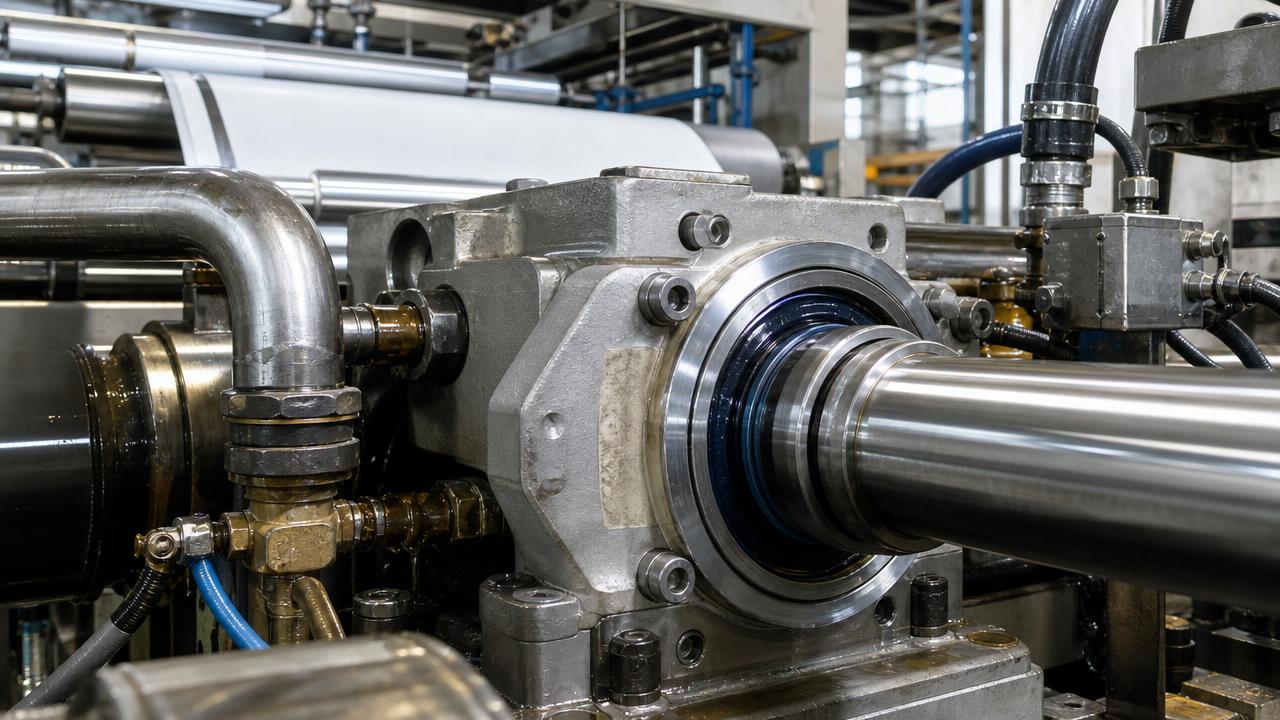
In high-speed printing, corrugating, post-press, and tissue machinery, seal failure can quickly escalate into downtime, contamination, web tension instability, or costly commissioning delays.
Selecting Extreme Condition Seals is not only a component choice. It is a reliability decision linked to heat, pressure, chemicals, abrasion, and maintenance access.
This guide highlights common selection mistakes and turns them into practical scenario checks for demanding industrial environments.
Extreme Condition Seals: Selection Mistakes to Avoid in Real Production Scenarios
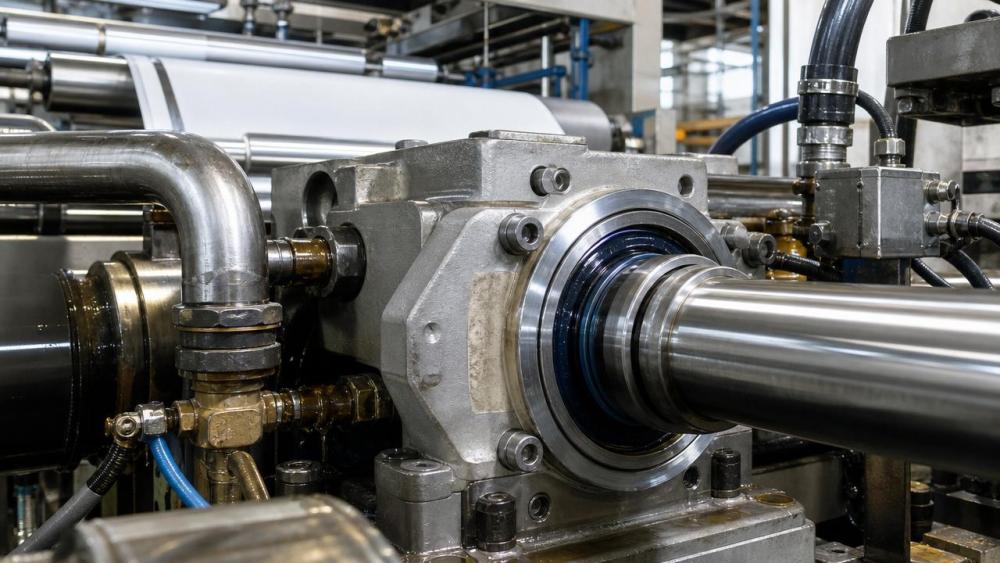
Extreme Condition Seals often work where standard sealing logic fails. A safe design must reflect the actual duty cycle, not only catalog limits.
In paper-based manufacturing, temperature spikes, steam exposure, ink chemistry, dust, and cyclic movement can occur within one production chain.
A seal that survives static pressure may fail under vibration. A material that resists oil may degrade in alkaline cleaning fluids.
The most expensive mistake is treating Extreme Condition Seals as interchangeable hardware instead of engineered interfaces between motion, media, and environment.
Scenario Background: Why One Seal Specification Cannot Fit Every Line
Modern print and paper systems combine mechanical force with process sensitivity. Each zone creates a different sealing challenge.
Industrial digital printers prioritize ink compatibility, clean operation, and micron-level consistency around pumps, printhead service stations, and recirculation loops.
Corrugated board lines involve steam, condensate, starch adhesive, heat, and abrasive paper dust. Seals face both chemical and mechanical stress.
Die-cutting and stamping equipment adds impact loads, lubricant exposure, high-speed strokes, and temperature variation near foil or heated tooling areas.
Automatic folder gluers require clean adhesive control, rapid actuation, and resistance to glue build-up near nozzles, belts, and folding stations.
Tissue processing machinery demands hygiene, low particle shedding, soft material handling, and sealing stability during rewinding, embossing, and packaging.
Because conditions vary so widely, Extreme Condition Seals must be selected by scenario, failure mode, and service interval expectations.
Application Scenario 1: High-Temperature Corrugating and Steam Zones
Corrugators create harsh thermal environments. Steam pressure, hot plates, condensate, and rapid temperature shifts stress sealing materials continuously.
A common mistake is selecting Extreme Condition Seals by maximum temperature alone. Continuous temperature, thermal cycling, and media contact matter equally.
Steam can extract additives from unsuitable elastomers. Condensate may accelerate hydrolysis, swelling, or hardening over repeated production shifts.
Core judgment points include steam grade, pressure fluctuation, startup frequency, cleaning chemicals, and shaft surface condition.
For this scenario, Extreme Condition Seals should prioritize thermal stability, compression set resistance, and reliable performance during rapid line restart.
Application Scenario 2: Digital Inkjet Circulation and Chemical Exposure
Digital print systems depend on stable ink movement. Seal swelling or particle release can disturb filtration, jetting accuracy, and color consistency.
The mistake here is assuming chemical resistance from broad family names. “Solvent resistant” does not guarantee compatibility with every ink formulation.
UV inks, water-based inks, primers, cleaning fluids, and maintenance solvents may interact differently with the same sealing compound.
Extreme Condition Seals in ink systems should be evaluated against immersion data, extractables, swelling percentage, and long-term cleanliness requirements.
Critical checks include pump pulsation, dead zones, temperature at recirculation points, and exposure during shutdown cleaning cycles.
Application Scenario 3: High-Speed Post-Press Impact and Lubrication Areas
Die-cutting, creasing, stamping, and stripping stations create cyclic loads. Seals may face shock, lubricant mist, heat, and paper debris.
A frequent error is choosing Extreme Condition Seals only for static sealing. Dynamic movement changes friction, wear, and heat generation.
In fast flatbed systems, even minor leakage can contaminate sheets, reduce finishing quality, or create safety issues near moving parts.
The right selection considers stroke frequency, lubrication type, shaft hardness, surface finish, side loading, and allowable drag.
Extreme Condition Seals for this area often need wear-resistant lips, stable geometry, and compatibility with oils, greases, and cleaning agents.
Application Scenario 4: Adhesive Control in Folder Gluers
Folder gluers operate at high speed while applying controlled adhesive. Glue leakage, drying, or stringing can damage production consistency.
The common selection mistake is ignoring adhesive behavior after exposure to air, heat, and intermittent stopping.
Cold glue, hot melt, and specialty bonding agents create different sealing demands. Viscosity and curing behavior influence wear and leakage risk.
Extreme Condition Seals must maintain controlled contact without trapping adhesive in pockets that harden during short production interruptions.
Key judgment points include nozzle cleaning cycles, glue temperature, pump pressure, shutdown procedures, and compatibility with wash fluids.
Application Scenario 5: Tissue Machinery, Hygiene, and Low-Particle Operation
Tissue processing requires stable sealing around embossing, rewinding, cutting, and packaging modules. Cleanliness and gentle material handling are essential.
A major mistake is using seals that survive mechanically but shed particles, absorb cleaning fluids, or create excessive friction.
Extreme Condition Seals in tissue lines should support hygiene, smooth movement, and predictable maintenance without contaminating finished products.
Selection should review washdown exposure, packaging-zone cleanliness, lubricant restrictions, air systems, and temperature near ultrasonic or thermal processes.
Low wear, low odor, and consistent compression can become more important than extreme pressure capacity in these applications.
Different Scenario Requirements: What Must Be Compared Before Selection
The best way to avoid mistakes is comparing real operating conditions side by side before approving Extreme Condition Seals.
This comparison prevents overengineering in one area while underestimating another. Extreme Condition Seals should match the dominant risk, not the loudest specification.
Scenario Fit Advice: Practical Steps Before Approval
A reliable selection process starts with a complete duty profile. Shortcuts often create hidden failure points during commissioning.
- Record normal, peak, and startup temperatures instead of using only maximum catalog values.
- List every fluid, including inks, primers, glues, cleaners, lubricants, steam, and condensate.
- Separate static, rotary, reciprocating, and oscillating applications before choosing geometry.
- Check shaft finish, hardness, eccentricity, pressure spikes, and installation space.
- Confirm whether leakage, contamination, drag, or planned replacement drives the risk calculation.
Extreme Condition Seals should also be reviewed with maintenance timing. A seal that lasts longer but requires complex replacement may not reduce downtime.
Where production lines are exported globally, regional chemical availability and maintenance skill levels should influence the final sealing strategy.
Common Misjudgments That Lead to Premature Seal Failure
Mistake one is trusting a single headline rating. Temperature, pressure, chemical exposure, and movement must be validated together.
Mistake two is ignoring cleaning procedures. Many Extreme Condition Seals fail after sanitation, flushing, or solvent exposure, not during normal operation.
Mistake three is overlooking installation damage. Twisting, dry assembly, sharp edges, and poor groove design can destroy premium materials quickly.
Mistake four is applying one material across the whole machine. Mixed media and mixed motion require zoned seal specifications.
Mistake five is excluding failure analysis. Swelling, cracking, extrusion, abrasion, and hardening each point to different corrective actions.
Mistake six is neglecting supply consistency. Extreme Condition Seals should be traceable, repeatable, and available during urgent maintenance cycles.
Decision Checklist for Extreme Condition Seals in Integrated Paper Systems
Before final selection, the sealing decision should answer several practical questions with evidence, not assumptions.
- What is the real operating window during startup, production, cleaning, and shutdown?
- Which media contact the seal directly, occasionally, or during maintenance?
- Is the application static, rotary, reciprocating, or exposed to vibration?
- What failure consequence is most severe: leakage, contamination, friction, or downtime?
- Can the seal be installed and replaced without damaging adjacent precision components?
These questions support a scenario-based specification. They also make technical communication clearer across design, commissioning, and maintenance records.
For IPPS-observed equipment ecosystems, this approach supports smarter printing, stronger packaging, cleaner tissue production, and more predictable lifecycle performance.
Action Guide: Build a Safer Seal Selection Workflow
Start by mapping every sealing point by zone. Mark temperature, pressure, fluid contact, motion type, and contamination sensitivity.
Then classify each point as critical, important, or routine. Critical points deserve deeper validation and documented compatibility testing.
Use pilot feedback from commissioning runs. Early wear marks, leakage traces, or chemical swelling reveal selection errors before full-scale failure.
Finally, standardize approved Extreme Condition Seals by scenario, not only by size. This reduces confusion during maintenance and spare-part planning.
A disciplined workflow protects uptime, product cleanliness, web stability, and equipment value across demanding industrial print and paper operations.
When Extreme Condition Seals are selected through real scenario evidence, they become a reliability asset rather than a hidden production risk.
Industry Briefing
Get the top 5 industry headlines delivered to your inbox every morning.
Recommended News