
Paper Converting Equipment: 5 Upgrade Mistakes to Avoid
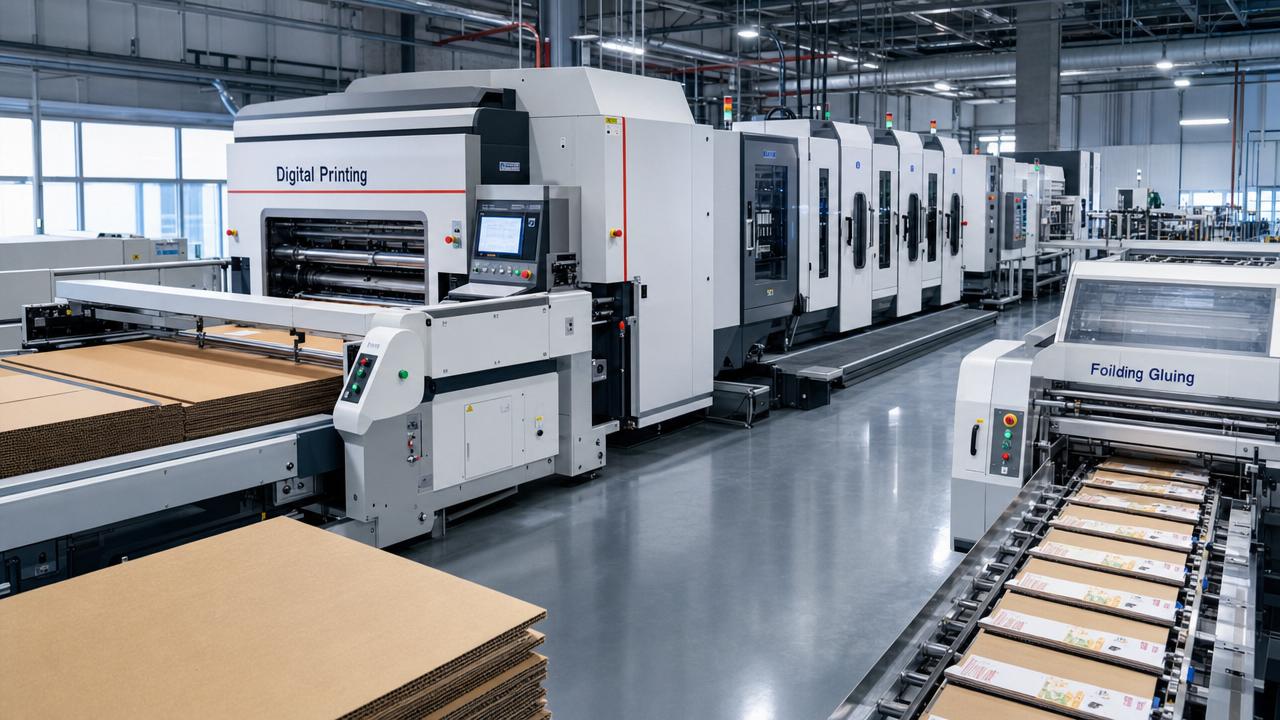
Paper converting equipment upgrades look different on real production floors
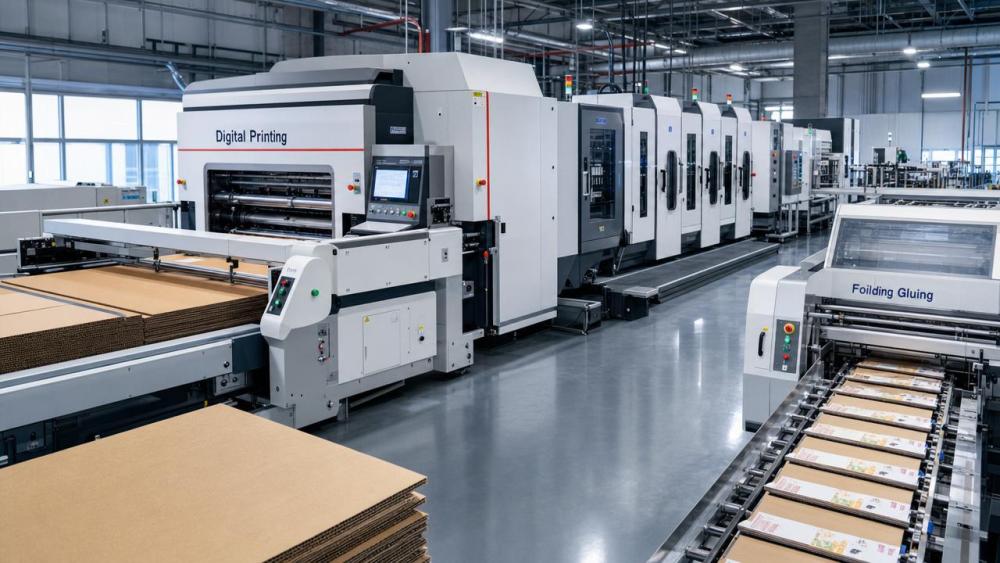
Upgrading paper converting equipment often promises faster output, tighter quality, and lower waste.
Yet many projects stall because the upgrade plan matches a brochure, not the plant’s actual production rhythm.
In paper packaging, print, corrugated, post-press, and tissue lines behave differently under pressure.
A corrugated board line reacts to steam balance and web tension.
A digital print cell depends on data flow, substrate consistency, and drop placement.
A folder gluer upgrade may succeed mechanically but fail because glue response changes with speed.
That is why paper converting equipment should be judged by scenario, not headline speed.
Across the sectors tracked by IPPS, the best upgrades connect automation, material behavior, and market demand.
The biggest mistakes appear when one of those three is ignored.
Why the same paper converting equipment upgrade can work in one line and fail in another
Different plants buy similar machines for very different reasons.
Some need shorter changeovers for mixed SKU packaging.
Others need stronger uptime on stable, high-volume runs.
Some are driven by FSC or EUDR traceability pressure.
Others are responding to e-commerce box demand or tissue hygiene standards.
In practical terms, paper converting equipment upgrades are shaped by five variables.
- Substrate variation, including recycled fiber, flute type, coating, and basis weight.
- Order profile, especially run length, artwork frequency, and changeover intensity.
- Line architecture, including upstream and downstream bottlenecks.
- Control maturity, from manual adjustment to closed-loop automation.
- Compliance and sustainability requirements that reshape material and process choices.
When these conditions are not mapped early, paper converting equipment upgrades become expensive guesses.
Mistake 1: Upgrading for top speed when the real issue is line balance
This is common in corrugated and folding operations.
A faster module is installed, but output barely changes because another section still limits the line.
On corrugated board lines, the bottleneck may sit in heating, starch application, slitter-scorer setup, or stacker handling.
On folder gluers, the issue may be blank feeding stability or pack-out congestion.
In these cases, paper converting equipment speed ratings hide system-level loss.
A better approach is to study actual minute-by-minute stoppages.
If short stops dominate, controls and handling matter more than raw machine speed.
If warm-up losses dominate, thermal stability matters more.
IPPS coverage often shows that line balance creates more value than isolated machine acceleration.
Mistake 2: Treating all substrates as equal after the upgrade
This mistake shows up when product mix is changing faster than equipment assumptions.
The global shift toward lighter, recyclable, and paper-based alternatives increases substrate sensitivity.
Digital print on corrugated is one example.
Ink behavior changes with surface porosity, liner smoothness, and flute support underneath.
A die-cutting upgrade can also underperform if board spring-back differs from legacy stock.
For tissue machinery, embossing and rewinding results may shift with softer or recycled grades.
Paper converting equipment should therefore be validated against the hardest substrate mix, not the easiest one.
That means running tests across moisture ranges, recycled content, coating levels, and seasonal storage conditions.
Where substrate-related upgrade checks usually differ
Mistake 3: Adding automation without checking data, operators, and maintenance reality
Automation upgrades look attractive because labor pressure is real.
But paper converting equipment does not become smarter just because more sensors are installed.
Closed-loop controls need clean signals, repeatable calibration, and a team that trusts the system.
This is especially true in high-speed inkjet, tension control, and gluing inspection.
In actual production, the failure point is often not the automation hardware.
It is recipe management, interface confusion, or delayed maintenance response.
A practical upgrade plan should ask three questions.
- Can the existing MES, ERP, or print workflow exchange usable data with the new controls?
- Will maintenance teams receive parts, diagnostics, and support fast enough?
- Can operators recover the line safely when automation rejects unstable material?
If the answer is uncertain, the paper converting equipment upgrade needs redesign before capital approval.
Mistake 4: Looking at purchase price instead of lifecycle cost
This mistake is easy to miss during budgeting.
Two paper converting equipment options may appear close in capacity.
Their long-term economics can be very different.
Consumables, energy use, starch or glue consumption, spoilage, and downtime response often outweigh purchase price gaps.
For corrugated plants, steam efficiency and warp reduction can reshape total cost.
For digital print, ink utilization and maintenance cycles matter more than headline resolution.
For post-press, make-ready waste and tooling repeatability can decide payback.
IPPS intelligence increasingly points to lifecycle thinking because sustainability targets now overlap with cost control.
Less waste, lower power draw, and traceable material use are no longer side benefits.
They influence tenders, compliance, and market access.
Mistake 5: Copying another plant’s configuration without matching local conditions
A successful reference line is useful, but it is not a universal template.
Paper converting equipment responds strongly to humidity, operator routines, utility stability, and product mix.
One site may run long corrugated batches with stable kraft liners.
Another may switch constantly between lightweight e-commerce boxes and premium printed displays.
Those are not the same upgrade environment.
The same applies in tissue converting, where hygiene layout, dust extraction, and packaging integration affect machine choice.
A more reliable method is to build a scenario matrix before final selection.
A simple scenario matrix for paper converting equipment decisions
- High-mix packaging: prioritize changeover logic, recipe recall, and inspection feedback.
- High-volume corrugated: prioritize thermal stability, tension control, and downstream synchronization.
- Premium carton finishing: prioritize register precision, crease quality, and decorative process repeatability.
- Tissue hygiene production: prioritize dust handling, roll consistency, and automated packing reliability.
- Sustainability-driven conversion: prioritize recyclable substrate compatibility and lower adhesive or energy demand.
Before moving ahead, define the upgrade around real constraints
The most successful paper converting equipment upgrades rarely begin with the machine model.
They begin with clear constraints, measured losses, and verified material behavior.
That is especially important in a market shaped by personalized packaging, e-commerce logistics, and greener paper-based formats.
A useful next step is to document current stoppages, difficult substrates, utility limits, and compliance targets.
Then compare paper converting equipment options against those conditions, not against generic claims.
If needed, run pilot trials, map lifecycle cost, and define acceptance criteria for speed, yield, and maintenance response.
That process takes more discipline upfront, but it avoids the five upgrade mistakes that usually erode ROI later.
Industry Briefing
Get the top 5 industry headlines delivered to your inbox every morning.
Recommended News