
Chile’s Salmon Industry, Paper Company and MIT Launch Packaging Contest
Chile’s salmon industry, a paper company and the Massachusetts Institute of Technology (MIT) have launched a sustainable salmon packaging design competition; the timing of the event was not specified in the information provided. The initiative invites alternatives to conventional plastic packaging and may influence how salmon suppliers, packaging producers and cold-chain buyers assess future material choices. It is a signal of interest in changing packaging practices, although the available information does not establish a new regulation, standard or mandatory procurement rule.
A design contest focused on paper-based salmon packaging
The competition brings together Chile’s salmon industry, a paper company and MIT to encourage innovation in sustainable packaging. Designers, institutions and students are invited to participate.
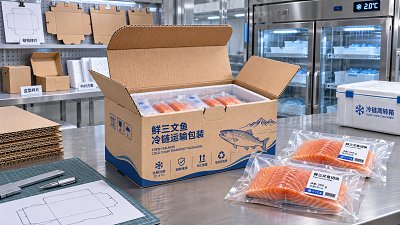
The initiative encourages the use of paper-based materials, including corrugated cardboard, as alternatives to traditional plastic packaging. Its stated purpose is to respond to demand for environmentally preferable packaging in the global fresh-product cold chain and explore the potential use of paper-based materials in premium fresh-food logistics.
These are the details supplied about the initiative. The event date, the identity of the paper company, the competition timetable and its detailed conditions were not specified in the information provided.
Where a material change could reach the supply chain
Salmon suppliers and the packaging decision
From an industry perspective, salmon producers and suppliers may be among the first to assess whether a paper-based design can satisfy the needs of their products and customers. A packaging change could affect the way a product is packed, protected, stored and delivered. It could also require coordination between teams responsible for product quality, purchasing and sales.
The competition does not establish that suppliers must abandon plastic or adopt a particular design. Nevertheless, businesses evaluating alternatives may want to identify which parts of an existing pack are expected to change and which functions those parts currently perform. This distinction matters because a paper-based outer container, for example, does not by itself establish what other materials a complete packaging system might need.
Analysis suggests that the commercial question is likely to extend beyond the choice of a visible outer material. Suppliers may need to compare how a proposed configuration performs throughout its intended journey and whether it can be introduced without compromising the condition in which customers receive fresh salmon. Any decision would depend on the design, the route and the buyer’s requirements, none of which are specified for this competition.
Paper producers and packaging converters
For paper suppliers and packaging manufacturers, the initiative may create an opportunity to explore applications in fresh salmon logistics. It may also sharpen questions about how paper-based components behave when exposed to moisture, handling and the conditions associated with chilled distribution. Those questions are analytical considerations, not performance findings supplied by the competition.
A manufacturer considering a proposed design could be asked to explain its construction, intended use and limits. Depending on the buyer and destination, relevant checks might include the suitability of components for their intended contact with food, as well as the strength and stability of the assembled pack. The available information does not identify applicable tests, certification schemes or acceptance thresholds, so these would need to be verified for each proposed use.
Buyers, distributors and cold-chain providers
Packaging choices may also affect buyers and logistics providers that receive, store or move fresh products. A new box or assembly could interact differently with handling equipment, stacking arrangements and existing transport practices. Analysis suggests that these parties may therefore have an interest in evaluating the full pack under representative conditions before agreeing to a change.
For procurement teams, the potential issue is not simply whether a material is paper-based. Buyers may need to understand whether the proposed packaging meets their product protection, handling and documentation requirements. If a customer later changes its specifications or tender documents, suppliers would need to review the actual wording rather than assume that participation in a design competition establishes a purchasing requirement.
Testing and assurance services
If proposed designs advance toward commercial use, testing providers and assurance specialists could be asked to help evaluate specific claims or performance characteristics. Such work might cover aspects of packaging performance or the evidence supporting an environmental claim. The precise scope would depend on customer expectations and the rules applicable to the product and destination.
No certification body, testing protocol or mandatory label is identified in the supplied information. At this stage, it would be premature to infer that the competition creates a new certification route or that any design has already passed a recognized assessment.
Questions to resolve before changing a pack
Define the function of each component
A practical starting point for interested companies is to describe the existing packaging system and the function of each component. Teams can then compare a proposed paper-based design against the protection, handling and delivery needs of the specific salmon product. This approach may help distinguish a material substitution from a complete redesign of the pack.
Businesses may also want to clarify whether a proposal concerns an outer shipping container, an inner component or a combination of materials. The competition summary does not define a required construction, and a paper-based proposal should not automatically be treated as entirely plastic-free or suitable for every shipment.
Check evidence against the intended route
Before adopting an alternative, suppliers and buyers could agree on the evidence they need for the intended product and distribution route. Depending on the design, that may include technical descriptions, material declarations and results from relevant performance evaluations. Any food-contact assessment should be checked against the actual components, their intended use and the requirements applicable to the destination.
Testing plans can be more useful when they reflect the conditions the pack is expected to encounter. Companies may wish to examine moisture exposure, handling, stacking and the duration of chilled distribution where relevant. The appropriate methods and acceptance criteria would need to be determined for the particular application; the supplied information does not provide them.
Review purchasing terms and delivery arrangements
Procurement teams considering a trial may want to request clear specifications from potential suppliers, including the materials used, the proposed configuration and the documents available to support performance and product claims. They could also discuss production capability, delivery timing and how a change would be communicated to customers.
For exporters and distributors, a material change may warrant a review of customer contracts, packaging instructions and destination-specific requirements. Whether any document or approval needs to change depends on the shipment and the applicable rules. The competition itself is not evidence that customs procedures, trade documentation or import conditions have changed.
Separate environmental claims from material descriptions
Describing a component as paper-based is different from demonstrating the environmental performance of a complete packaging system. Businesses considering a claim may therefore want to ask what it covers, what evidence supports it and whether its wording is appropriate for the relevant market and customer.
Such a review could include the relationship between the outer material and any other components needed for the proposed use. The available information does not provide a life-cycle comparison, a disposal outcome or an agreed definition of sustainable packaging for the competition. Those points remain matters for verification, not conclusions that can be drawn from the announcement alone.
What the competition signals about future requirements
Editorial assessment: the initiative is best understood as an innovation signal and a development to monitor. It shows that the participating industry and organizations are seeking design ideas for paper-based alternatives, but the supplied facts do not identify a policy change, a binding industry rule or an implemented packaging standard.
The distinction matters for commercial planning. A competition can generate concepts and discussion without immediately changing the specifications used in purchasing or the legal requirements governing a shipment. Conversely, a later buyer specification or a separately issued regulatory measure could become relevant to suppliers, but neither outcome is established by the information currently available.
Several details would help businesses assess the initiative as further information emerges: the competition rules and timetable, the functions expected of proposed packs, the criteria used to evaluate designs, and any public information about testing or subsequent adoption. Industry feedback would also help clarify whether proposed solutions address the practical demands of fresh salmon distribution.
Companies should pay particular attention to the source of any later requirement. A statement from the competition organizers, a customer’s purchasing specification and a measure issued by a regulator can have different implications. Their wording, scope and effective dates would need to be checked individually before a business treats any of them as binding.
A basis for evaluation, not an immediate mandate
The reported collaboration gives salmon and packaging businesses a reason to examine how paper-based materials might work in premium fresh-food logistics. Its immediate value is in focusing attention on design, evidence and coordination across the supply chain.
For now, the proportionate response is to monitor the competition and assess relevant alternatives against actual product and customer needs. Any wider effect on procurement, certification or trade will depend on information and decisions that have not been provided in the event summary.
Basis for this report and points to verify
This article is based on the user-provided news title, event timing and event summary. No specific official source link was provided in the input, and the details should continue to be verified as further information becomes available.
Relevant sources for follow-up may include announcements from the participating organizations, industry association publications, regulatory or trade authority information, standards documents and authoritative media reports. Particular points to monitor include the competition’s detailed terms, any applicable certification interpretation or policy measures, changes to purchasing or tender documents, trade implementation where relevant, and feedback from businesses assessing or using proposed designs.
Industry Briefing
Get the top 5 industry headlines delivered to your inbox every morning.
Got questions about the latest insights discussed here, or seeking customized strategic advice for your business? Drop us a line below, and let the think-tank experts at IPPS help you out.
“We respect your privacy. Your information is strictly confidential.”
Recommended News