
Sustainable Paper Packaging Cost Shifts in 2026
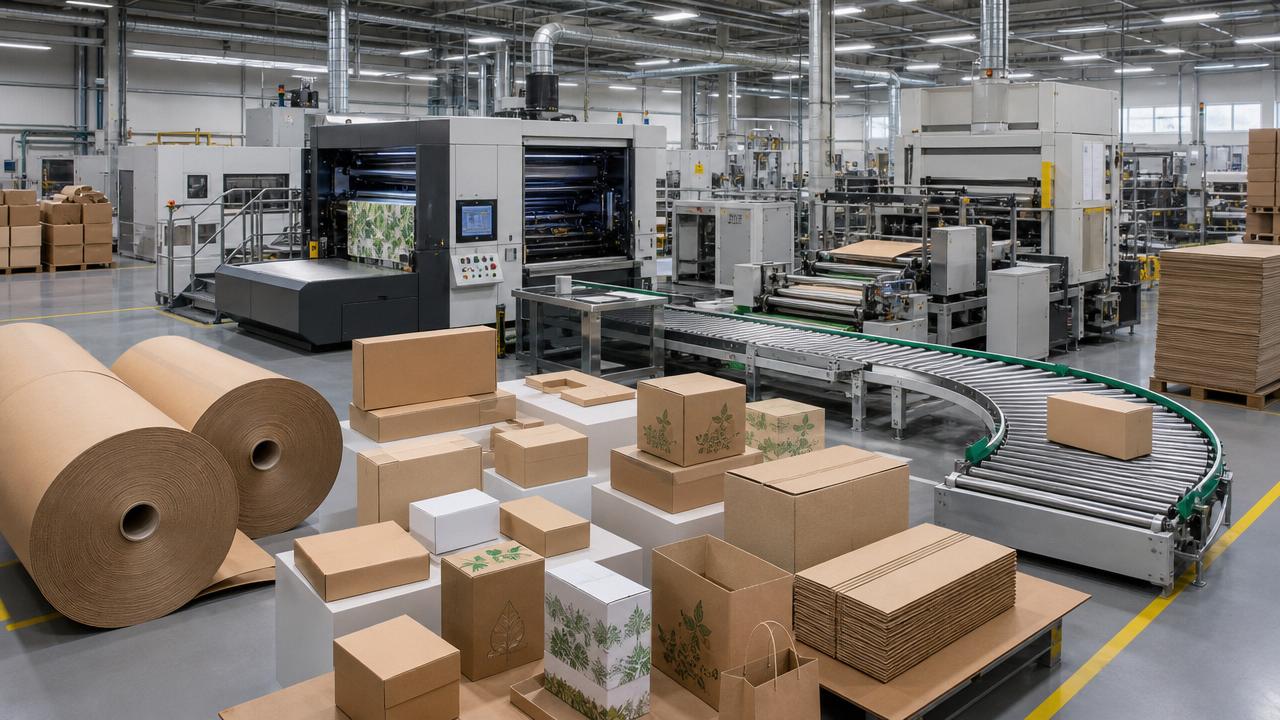
In 2026, sustainable paper packaging is no longer just a compliance or branding issue—it is a capital allocation decision. For financial approvers, cost shifts will be shaped by pulp volatility, energy prices, certification demands, equipment efficiency, and e-commerce packaging pressure. Understanding where margins tighten and where smart investments pay back faster is essential to controlling risk while capturing long-term value.
Why a checklist approach matters for sustainable paper packaging in 2026
Cost inflation in paper-based formats now comes from multiple linked variables, not one headline price. A checklist prevents narrow decisions based only on board price or freight quotes.
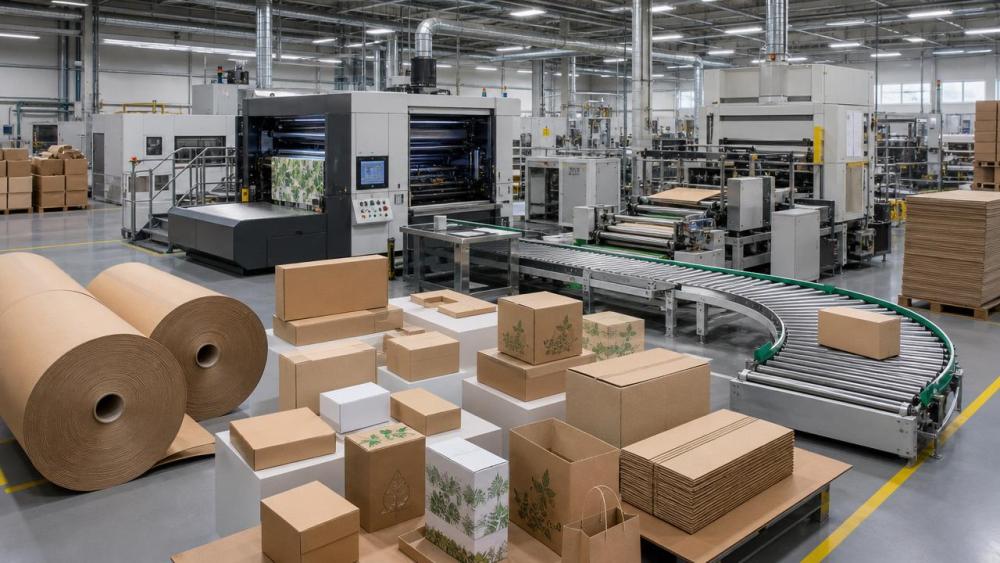
It also helps compare direct costs with hidden cost drivers. In sustainable paper packaging, waste rates, line speed, adhesive use, and certification readiness can change total economics more than material quotes alone.
Across the broader industrial ecosystem, digital print systems, corrugated converting, die-cutting, folder-gluing, and tissue-related paper processing all reveal the same pattern: efficient assets absorb volatility better.
Core checklist: where cost shifts will appear first
Use the following checklist to evaluate sustainable paper packaging exposure before approving budgets, pricing plans, equipment upgrades, or supplier changes.
- Track pulp index movement monthly, then connect it to grade mix, recycled fiber content, and contract timing instead of treating all kraft or containerboard as one cost bucket.
- Audit energy intensity by converting line, because steam, drying, compression air, and web handling losses can quietly raise the real cost of sustainable paper packaging output.
- Verify certification exposure early, including FSC claims, EUDR traceability, and chain-of-custody paperwork, since documentation gaps often create delayed cost spikes and shipment friction.
- Measure machine yield, not nameplate speed, by reviewing setup waste, changeover time, board warp, glue consistency, and print register stability across production runs.
- Compare lightweighting plans with compression performance, because cutting grammage can lower material spend yet increase damage claims, return rates, and secondary packing expense.
- Review e-commerce pack profiles separately from retail cartons, as parcel distribution cycles impose higher burst, edge crush, and dimensional consistency requirements.
- Calculate ink, coating, and adhesive compatibility when shifting to recyclable or fiber-based formats, especially where digital print, water-based systems, or glue reduction targets apply.
- Stress-test supplier concentration by region, mill type, and logistics lane, since resilient sustainable paper packaging sourcing depends on more than headline unit cost.
- Model total landed cost with downtime risk included, because one unstable board source can erase savings through jams, poor folding, and slower post-press throughput.
- Prioritize automation payback where labor variability affects folding-gluing, inspection, palletizing, or reel handling, especially in high-volume corrugated and printed packaging environments.
How cost shifts vary by application scenario
E-commerce corrugated packaging
This segment faces the sharpest pressure in 2026. Parcel growth keeps volumes high, yet dimensional pricing and damage prevention make board engineering more sensitive.
For sustainable paper packaging, the key tradeoff is lightweighting versus logistics durability. Savings on paper can disappear if box failure increases void fill, repacking, or claims.
Digitally printed short runs
Short-run packaging reduces inventory risk and enables versioning, but cost control depends on data handling, substrate stability, and ink laydown efficiency.
Where variable graphics meet corrugated or coated paper, precision matters. Better web tension control and droplet management can protect both quality and unit economics.
Premium folding cartons and post-press finishing
Premium formats often carry sustainability claims, but embellishment choices can complicate recycling and increase energy, foil, or adhesive cost.
In this scenario, sustainable paper packaging should be judged by total convertibility. Elegant finishing only works when die-cutting accuracy and folder-gluer consistency stay high.
Tissue and hygiene paper packaging
Here, packaging cost is highly volume-driven. Small material shifts scale quickly, while line stoppages create outsized financial penalties.
Fiber-based replacement formats may improve eco-positioning, but sealing performance, moisture resistance, and pack integrity must be proven before broad rollout.
Commonly overlooked cost drivers and risk signals
Hidden waste from unstable substrates
Warp, moisture variation, and inconsistent caliper create print defects, poor creasing, and gluing problems. These losses rarely appear in basic sourcing comparisons.
Certification cost without operational readiness
A certified input stream still requires internal segregation, labeling discipline, and audit-proof records. Otherwise, sustainable paper packaging claims become expensive administrative friction.
Overestimating savings from downgauging
Material reduction looks attractive in budget models. Yet weaker stacking strength or folding performance can increase spoilage and disrupt automated lines.
Ignoring maintenance impact on unit economics
Corrugators, digital printers, die-cutters, and folder-gluers lose financial efficiency long before full failure. Preventive service often delivers faster payback than new capacity.
Using average cost instead of scenario cost
Retail shelves, direct-to-consumer shipments, and hygienic paper products face different stress profiles. One standard model can misprice sustainable paper packaging decisions.
Practical execution steps for 2026 planning
- Build a three-part cost model covering material, conversion, and compliance so sustainable paper packaging decisions reflect true operating economics.
- Run controlled trials on alternative paper grades before full adoption, and capture waste, speed, bond quality, and damage performance.
- Link supplier qualification to machine behavior, not only certificates, by testing printability, creasing response, and glue performance under real production conditions.
- Sequence capital spending toward bottlenecks first, especially automation, tension control, inspection, and changeover reduction technologies.
- Set quarterly review triggers for pulp, power, freight, and certification changes to avoid static budgets in a dynamic market.
Summary and next action
The 2026 outlook for sustainable paper packaging is defined by selective pressure, not uniform inflation. Some formats will absorb higher fiber and compliance costs through better automation and design optimization. Others will lose margin through hidden waste, weak process control, or poor scenario modeling.
The most effective next step is to apply a structured checklist to current packaging lines, supplier portfolios, and capital plans. Review where cost actually accumulates, validate performance before scaling, and focus investment on efficiency layers that protect both sustainability claims and operating margin.
In practice, sustainable paper packaging becomes financially stronger when fiber strategy, machine capability, compliance discipline, and logistics realities are evaluated together rather than in isolation.
Industry Briefing
Get the top 5 industry headlines delivered to your inbox every morning.
Recommended News