
USMCA Review Puts Local Assembly in Focus
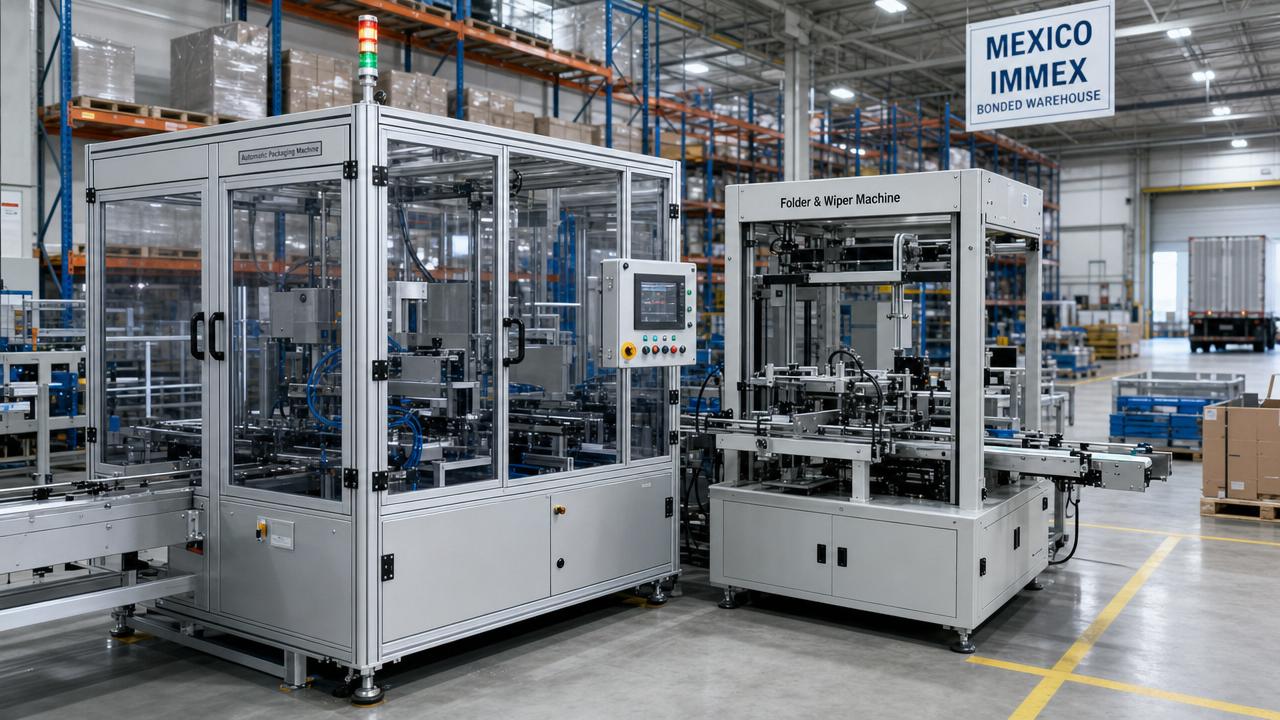
On June 1, 2026, a new signal emerged around the upcoming USMCA reassessment: automated packaging equipment sold in Mexico and Canada, including Folder & Wiper Machines, may face tighter scrutiny over origin content and a stronger expectation for Western Hemisphere-based assembly. The development matters not only to equipment manufacturers, but also to OEM partners, cross-border compliance teams, sourcing managers, and buyers planning market entry in North America, because it shifts attention from product capability alone to how and where final assembly is structured.
A policy signal tied directly to origin review
According to the information provided, U.S. Trade Representative Office official Greer said on June 1 that the USMCA reassessment will strengthen review of “origin content.” The stated direction is that automated packaging equipment sold in the Mexican and Canadian markets, such as Folder & Wiper Machines, should increase the share of localized assembly within the Western Hemisphere.
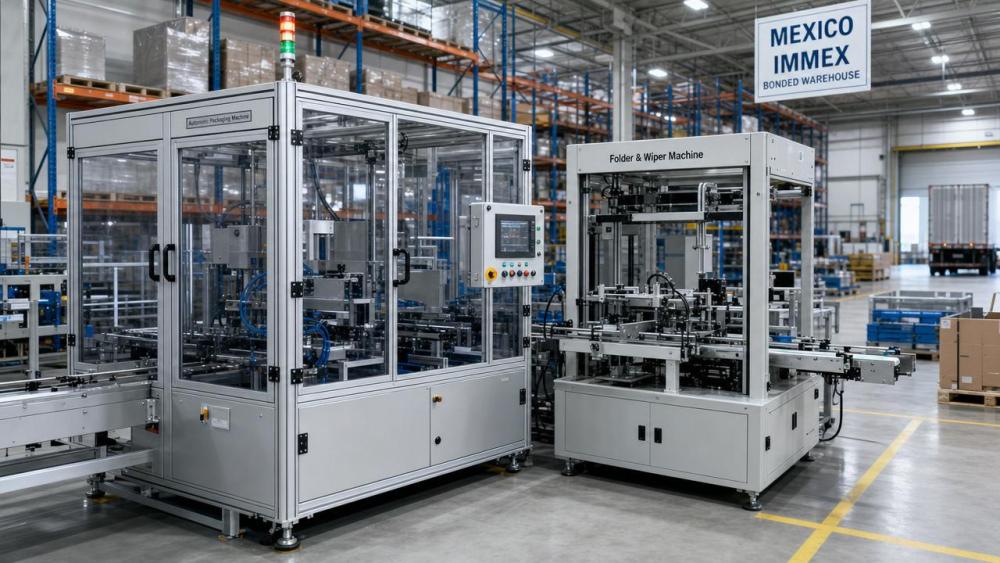
The same information also states that leading Chinese manufacturers have already signed OEM manufacturing agreements with factories in Mexican bonded zones. The model described is “Chinese core modules + local assembly in Mexico,” with market entry filing for the U.S. and Mexican markets possible in as little as 60 days.
Why different parts of the chain are paying attention
Equipment makers now need to rethink assembly geography
From an industry perspective, manufacturers of automated packaging equipment may be affected first because the issue is no longer limited to exporting finished machines. The practical impact could fall on product configuration, assembly location, documentation, and the sequencing of market entry preparation. What deserves closer attention is whether existing export models remain aligned with future origin-related scrutiny.
OEM and contract assembly partners gain strategic importance
For OEM partners and local assemblers, the development points to a larger role in compliance-oriented manufacturing. If the market increasingly values a higher Western Hemisphere assembly ratio, bonded-zone factories and other regional assembly resources may become more relevant in the path from component supply to final filing. The key change to watch is not only production capacity, but also the ability to support origin-related documentation and a stable assembly process.
Compliance and market access teams face tighter execution demands
Teams handling filing, customs-related preparation, and customer-side market access may see the most immediate workload changes. Analysis shows that when policy language emphasizes origin content, companies usually need closer coordination between engineering, sourcing, assembly, and document control. The stated 60-day filing timeline is noteworthy, but businesses still need to distinguish between a workable filing route and the broader question of long-term policy consistency.
Buyers may look beyond price and delivery
For distributors, industrial buyers, and end users procuring automated packaging equipment, supplier evaluation may expand beyond machine performance and lead time. Observably, buyers in Mexico and Canada may pay more attention to whether suppliers can explain assembly origin, module sourcing, and market entry readiness in a clear and auditable way.
What companies should track now
Follow the wording of future official communications
The current information is a policy signal linked to the USMCA reassessment process. Companies should pay close attention to how later official statements define “origin content” review in practice, especially for automated packaging equipment categories and related assembly requirements.
Separate policy direction from actual operating rules
Analysis shows that businesses should avoid treating an early signal as a fully settled operating framework. A statement about stronger review indicates direction, but actual implementation may depend on later procedural language, filing practice, and interpretation in real transactions. That distinction matters for sales commitments, production planning, and customer communication.
Check whether current BOM and assembly flows can support claims
For firms considering a “core modules + local assembly” model, a practical priority is to review whether their current bill of materials, assembly steps, and supplier records can support origin-related explanations. This is less about broad localization claims and more about whether the business can present a consistent assembly narrative if customers or regulators ask for clarification.
Prepare customers and channel partners for documentation questions
Suppliers, distributors, and regional service teams may need clearer communication with customers about assembly location, filing status, and delivery assumptions. The main concern is not marketing language, but whether front-end teams can answer questions on compliance readiness without overstating certainty.
How this development is best understood at this stage
Observably, this development should be read as an early but meaningful industry signal rather than a completed market outcome. It indicates that origin review is becoming more central in how certain packaging equipment may be structured for North American markets. At the same time, the information provided does not confirm a final rule, a uniform enforcement standard, or a settled competitive pattern.
Analysis shows that the more important takeaway is structural: some manufacturers are already moving toward a hybrid operating model that keeps core modules in China while shifting assembly activity to Mexico. That does not by itself prove a final industry standard, but it does show how companies are interpreting the policy direction and translating it into near-term operating arrangements.
A regional assembly model is emerging, but the rules still matter
At this point, it is more appropriate to understand the news as a combination of immediate operational adjustment and longer-term policy signaling. The immediate adjustment is the growing use of Mexico-based OEM assembly for market access purposes. The longer-term signal is that origin-related scrutiny may play a bigger role in how automated packaging equipment is positioned under the USMCA framework.
For the industry, the core issue is not simply whether localization increases, but how clearly the final rules, filing expectations, and verification standards are defined. Until that becomes clearer, companies should treat this as a development requiring active monitoring rather than a fully settled shift.
Basis of this article and what still needs verification
This article is based on the user-provided news title, event date, and event summary. The event date provided is June 1, 2026. The analysis above is limited to that information and does not add unverified data, company names, policy numbers, or market figures.
For developments of this kind, relevant source types would typically include official statements, company announcements, industry association updates, authoritative media reports, and related trade or standards documents. However, a specific official source link was not provided in the input, so the precise wording and later procedural details still require ongoing verification. What deserves continued attention is whether follow-up official communication further clarifies origin review standards, product scope, and practical filing requirements for automated packaging equipment in the U.S., Mexico, and Canada.
Industry Briefing
Get the top 5 industry headlines delivered to your inbox every morning.
Recommended News