
Tissue Converting Machines: Maintenance Checks That Matter
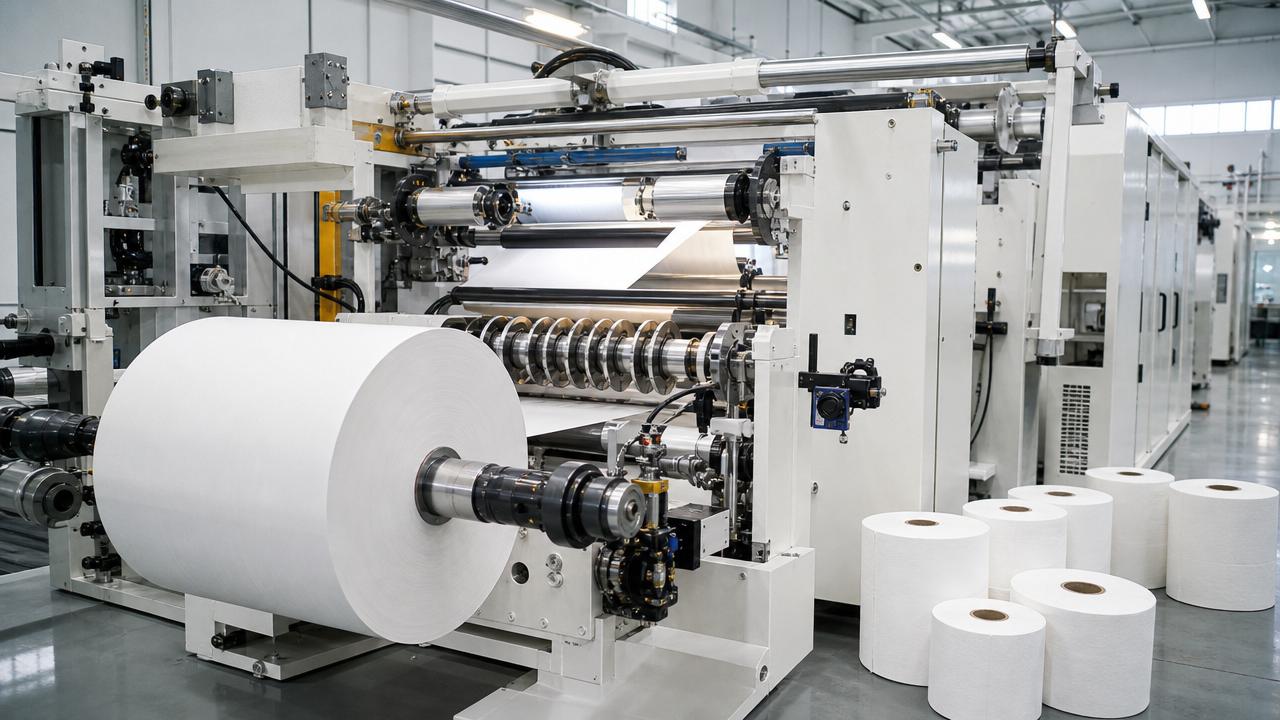
For after-sales maintenance teams, reliable tissue converting machines depend on more than routine servicing. They need focused checks that stop unplanned downtime, protect roll quality, and preserve machine accuracy. From unwind tension and slitting stability to lubrication points and sensor timing, the most effective inspections are the ones tied to real failure patterns. This guide explains the maintenance checks that matter most and how to apply them in daily work.
Why checklist-based maintenance matters for tissue converting machines
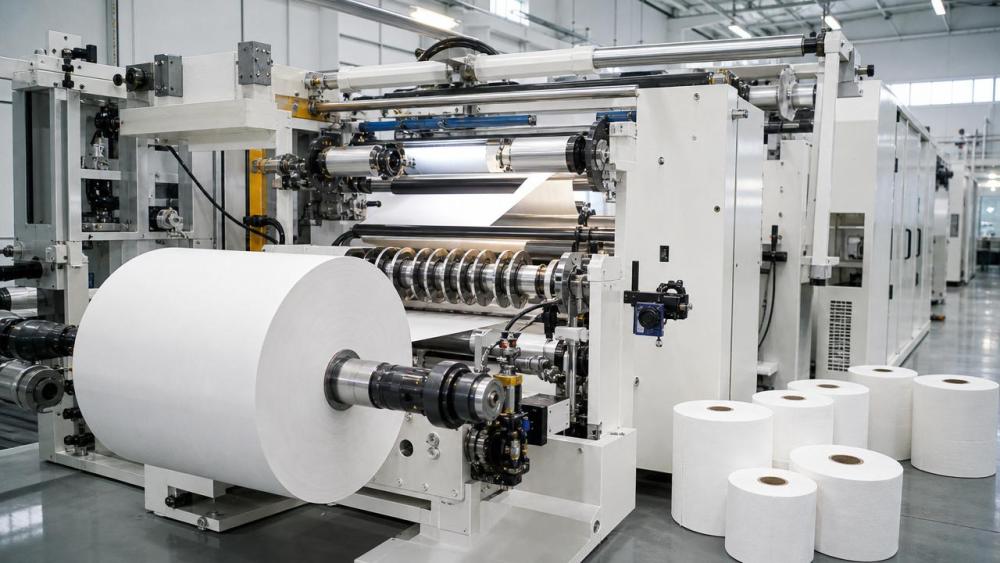
Tissue converting machines run at high speed, with tight tolerances and constant material variation. A small drift in web tension, blade condition, or sensor response can quickly become waste, edge defects, loose rolls, or line stops.
A checklist turns maintenance into a repeatable control method. It reduces dependence on memory, improves shift-to-shift consistency, and makes it easier to catch hidden wear before it becomes a breakdown.
For operations linked to packaging, hygiene, and consumer goods, tissue converting machines also face pressure from delivery schedules and quality audits. That makes disciplined inspection a production issue, not only a service task.
Core maintenance checks that matter most
Use the following checklist as a practical baseline. Adjust intervals according to machine speed, paper grade, embossing load, dust level, and operating hours.
- Verify unwind and rewind tension settings against actual web behavior, not only screen values, and confirm dancer rolls or load cells move smoothly without sticking or oscillation.
- Inspect slitting blades, perforation knives, and anvil surfaces for burrs, uneven wear, heat marks, or buildup that can trigger fuzzy edges and unstable cut quality.
- Check roll alignment across shafts, idlers, spreaders, and guide rollers, because minor tracking errors often create telescoping, wrinkles, and side-to-side density variation.
- Confirm bearing lubrication points receive the correct lubricant volume and interval, then look for grease purge, overheating, unusual noise, or early seal damage.
- Test web guiding sensors, proximity switches, and photoelectric eyes under live machine conditions, since dust and vibration can delay response and misread product position.
- Measure nip pressure consistency on embossing, laminating, and rewinding sections to prevent poor bonding, pattern inconsistency, and roll hardness differences.
- Examine pneumatic lines, regulators, and cylinders for leaks, pressure drift, slow actuation, or moisture contamination that affects knife action and transfer timing.
- Review drive components including belts, couplings, chains, and servo synchronization to detect backlash, slippage, or timing offset before product defects appear.
- Clean vacuum ports, extraction ducts, and trim removal paths so dust does not impair sensor reading, increase fire risk, or contaminate finished tissue rolls.
- Inspect HMI alarms, trend logs, and fault history weekly, then connect repeated stops to physical components instead of repeatedly resetting the same warning.
Where these checks create the biggest payoff
In tissue converting machines, tension control and cutting quality usually produce the earliest warning signs. If rewind hardness changes, edge profile drifts, or perforation pull force varies, check those systems first.
Lubrication and sensor integrity deliver the next biggest return. They are often low-cost checks, but they directly influence uptime, product consistency, and safe operation.
Application-specific checks by operating scenario
High-speed rewinding lines
On high-speed tissue converting machines, monitor roll build formation closely. Loose cores, density bands, and telescoped rolls often indicate unstable torque control or misaligned lay-on systems.
Also inspect braking response during acceleration and deceleration. Inconsistent ramp behavior can overload the web, especially when basis weight or parent roll diameter changes.
Embossing and laminating sections
Embossing quality depends on pressure balance, roll surface condition, and temperature stability where applicable. Check for pattern flattening, adhesive transfer problems, or uneven ply bonding.
When tissue converting machines process premium products, even small embossing deviations become visible on shelf. That makes roller cleanliness and nip repeatability especially important.
Automatic packaging interfaces
At the handoff to bagging or bundling units, verify product spacing, count accuracy, and transfer timing. Minor delays upstream often appear here as jams, skewed packs, or rejected bundles.
Check communication between controllers as well. Tissue converting machines connected to downstream automation need stable signal exchange, not only mechanical readiness.
Commonly missed issues and risk reminders
Ignoring contamination around sensors
Paper dust, adhesive mist, and fine fibers can slowly reduce sensor reliability. The signal may remain present, but response time and detection accuracy still deteriorate under production speed.
Overlooking minor vibration changes
A small increase in vibration often appears before bearing failure, coupling wear, or rotor imbalance. Tissue converting machines should be checked for trend movement, not only visible damage.
Using time-based lubrication only
Lubrication should reflect speed, load, and environmental conditions. A fixed calendar interval may under-lubricate hot running points or over-lubricate sealed bearings.
Resetting alarms without root-cause review
Repeated alarm resets hide developing faults. Review stop patterns by section, duration, and product grade so recurring issues can be linked to actual machine conditions.
Skipping baseline measurements after part replacement
After replacing blades, rollers, sensors, or servo components, capture new reference values. Without a baseline, future troubleshooting on tissue converting machines becomes slower and less accurate.
Practical execution tips for better maintenance results
- Group checks by machine zone, such as unwind, converting, rewinding, and packaging, so inspection routes stay fast and repeatable.
- Record measurable values like air pressure, vibration trend, temperature, knife wear, and tension deviation instead of writing only “normal.”
- Photograph wear patterns and defect samples to connect product symptoms with component condition during later troubleshooting.
- Pair daily visual checks with weekly functional tests and monthly precision verification for the most critical tissue converting machines.
- Review findings with production data, including speed, waste rate, and stop frequency, so maintenance priorities reflect business impact.
For organizations following advanced industrial intelligence practices, this structured approach supports stronger lifecycle performance. It aligns with the broader reliability mindset seen across digital print, corrugated, post-press, and tissue machinery environments.
Conclusion and next action
The best maintenance program for tissue converting machines is not the longest one. It is the one that focuses on failure-prone points, uses measurable checks, and links inspection results to product quality and uptime.
Start with tension control, cutting condition, lubrication, sensor response, and drive synchronization. Then build a zone-based checklist, assign frequencies, and review trends every week.
When tissue converting machines are inspected this way, maintenance becomes more predictive, interventions become faster, and the line delivers more stable output with less waste.
Industry Briefing
Get the top 5 industry headlines delivered to your inbox every morning.
Recommended News