
High-Performance Seals: Selection Mistakes
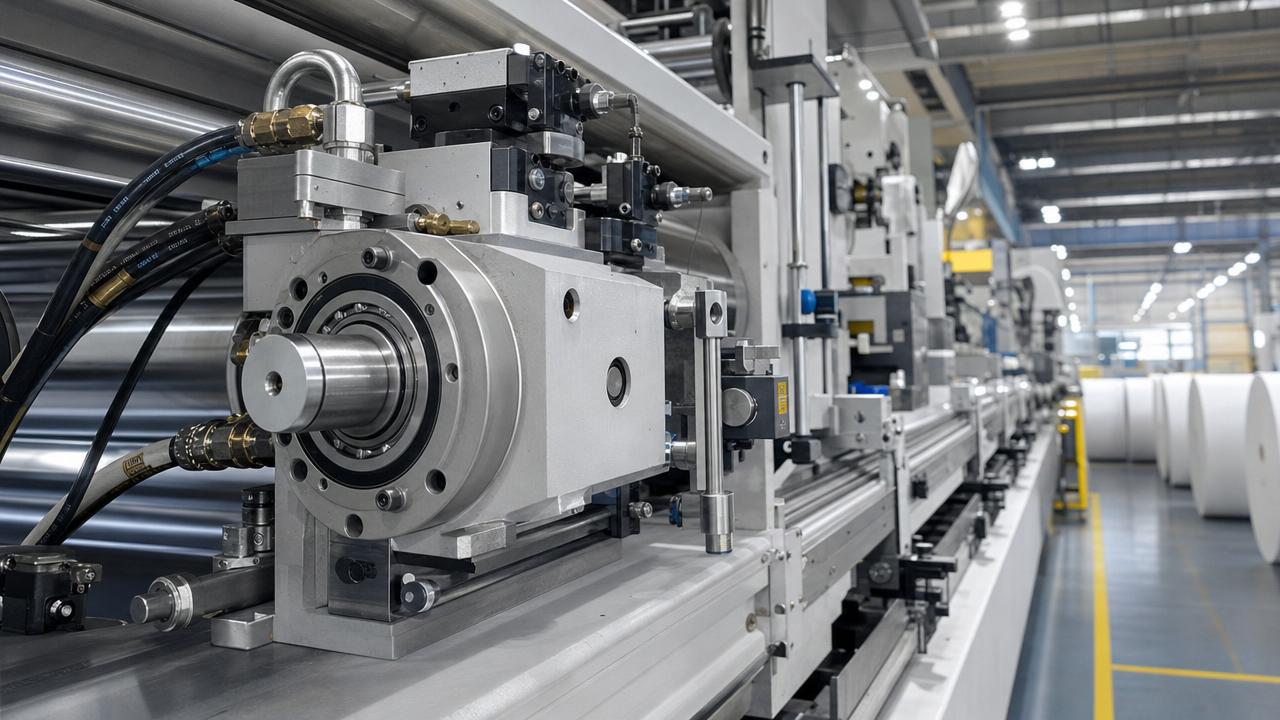
For printing, packaging, and paper-processing machinery, choosing High-Performance Seals is no longer a routine maintenance decision.
It directly affects uptime, energy efficiency, product quality, contamination control, and total lifecycle cost across demanding industrial systems.
Yet many selection mistakes still begin with narrow specifications, low unit price targets, or assumptions copied from older equipment platforms.
As digital printing, corrugation, post-press, and tissue machinery become faster, seals face sharper pressure pulses and wider chemical exposure.
High-Performance Seals Are Becoming Strategic Components, Not Spare Parts
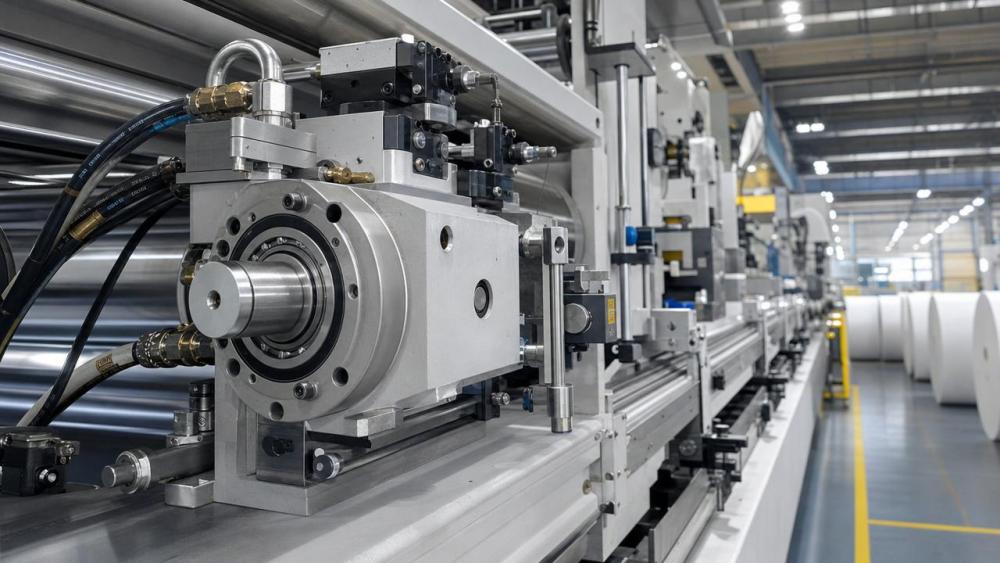
Modern paper-based manufacturing runs under tighter tolerances than previous generations of mechanical equipment.
Inkjet print bars, steam-heated corrugators, servo folder gluers, and tissue rewinders all depend on stable sealing performance.
High-Performance Seals protect hydraulic circuits, pneumatic controls, lubrication points, vacuum systems, and rotating shafts from failure.
When a seal fails, the visible leak is rarely the only loss.
Hidden impacts include web breaks, glue inconsistency, print defects, energy waste, bearing damage, and unplanned cleaning time.
This is why High-Performance Seals now influence competitiveness in green packaging, personalized FMCG output, and automated paper conversion.
The Market Signal: Faster Lines Are Exposing Old Selection Habits
The industry is moving toward higher machine speed, shorter changeovers, lower waste, and stricter environmental compliance.
These shifts are changing how High-Performance Seals should be evaluated before installation.
A seal that worked in a slower offset-era environment may fail quickly in high-speed digital or automated finishing lines.
The operating window is narrower, while exposure conditions are more complex.
Water-based inks, cleaning agents, starch adhesives, hot-melt glues, steam condensate, and paper dust can interact unpredictably.
High-Performance Seals must therefore be selected through a system view, not a catalog shortcut.
Key drivers behind the stricter sealing environment
Mistake One: Selecting by Price Instead of Failure Cost
The most common mistake is comparing High-Performance Seals by unit price alone.
This approach ignores the financial scale of downtime in continuous printing and converting operations.
A low-cost seal may seem attractive during purchasing, yet become expensive after repeated shutdowns.
Failure cost includes labor, lost production, rejected output, emergency freight, cleaning, and damage to nearby components.
High-Performance Seals should be judged by lifecycle value, not invoice simplicity.
- Estimate downtime cost per hour before approving substitutes.
- Compare service intervals under real pressure and temperature.
- Include waste, cleanup, and quality loss in evaluations.
- Require traceable material and production documentation.
Mistake Two: Ignoring Media Compatibility in Changing Process Chemistry
Chemical exposure is becoming more dynamic across print and paper-processing environments.
Water-based inks, UV fluids, coatings, detergents, anti-foaming agents, and adhesive systems may attack elastomers differently.
High-Performance Seals require compatibility checks against every expected fluid, not only the primary operating medium.
A seal can resist oil but fail rapidly after repeated alkaline washdown cycles.
Another may tolerate cleaning agents but lose elasticity near steam condensate or hot glue zones.
The practical safeguard is a complete media map for each machine zone.
Compatibility questions that reduce avoidable failures
- Which fluids contact the seal during operation?
- Which chemicals appear during cleaning or maintenance?
- Are inks, coatings, or adhesives reformulated seasonally?
- Does exposure include vapor, splash, immersion, or residue?
These questions help prevent material swelling, cracking, hardening, and compression set.
Mistake Three: Underestimating Temperature Swings and Thermal Cycling
Temperature is rarely stable inside heavy industrial equipment.
Corrugated board lines combine steam, heated plates, ambient humidity, and rapid production changes.
Digital printing systems may add localized thermal loads near drying, curing, or fluid conditioning modules.
High-Performance Seals must maintain elasticity, geometry, and sealing force during repeated thermal cycles.
A material rated for peak temperature may still fail if cycling causes fatigue.
Cold starts also matter, especially in plants with variable seasonal conditions.
The safer approach is to specify continuous temperature range, short-term peaks, and cycling frequency together.
Mistake Four: Treating Pressure as a Static Number
Pressure ratings often appear simple on datasheets, but machinery behavior is more complicated.
Hydraulic and pneumatic systems experience pulsation, shock loading, vibration, and sudden valve actions.
High-Performance Seals must withstand actual pressure dynamics, not only nominal system pressure.
This is critical in die-cutting, stamping, folder gluing, and rewinding equipment with fast motion cycles.
Pressure spikes can force extrusion, lip damage, or leakage paths across sealing surfaces.
Back-up rings, profile geometry, groove design, and surface finish should be reviewed together.
Mistake Five: Forgetting Friction, Web Tension, and Motion Precision
In paper and packaging machinery, friction is not only an energy issue.
It can influence web tension stability, registration accuracy, folding consistency, and roll quality.
High-Performance Seals should support controlled motion without stick-slip behavior.
Poor friction behavior may cause uneven actuator response or unstable nip pressure.
In digital printing, unstable motion can become visible as banding, misalignment, or color variation.
In tissue processing, inconsistent tension can affect embossing, winding density, and packaging quality.
Low-friction compounds, optimized profiles, and compatible lubrication should be evaluated as a performance system.
Mistake Six: Overlooking Installation Conditions and Hardware Quality
Even premium High-Performance Seals can fail when installed into poor hardware conditions.
Sharp edges, damaged grooves, eccentric shafts, and incorrect surface roughness shorten seal life.
Contamination during installation can create early leakage or abrasive wear.
Storage also matters, especially for elastomers sensitive to ozone, sunlight, heat, or deformation.
A reliable sealing program includes handling instructions, installation tools, groove inspection, and lubricant verification.
Installation checkpoints worth standardizing
- Confirm groove dimensions before replacement.
- Remove burrs and edge damage.
- Use clean tools designed for seal installation.
- Avoid stretching, twisting, or dry assembly.
- Record batch codes for future failure analysis.
How Selection Mistakes Affect Core Production Areas
The impact of seal selection varies by application, but the pattern is similar.
A small technical mismatch can spread into quality, maintenance, and energy consequences.
These effects explain why High-Performance Seals are increasingly tied to production reliability metrics.
What Stronger Evaluation Should Include Now
A stronger selection process connects engineering data with real operating evidence.
It also avoids approving replacements before understanding root causes behind previous failures.
High-Performance Seals should be validated through application context, supplier discipline, and measurable service results.
Core evaluation points
- Define pressure, speed, temperature, media, and movement type.
- Check compatibility with process fluids and cleaning chemicals.
- Review seal geometry against groove and shaft conditions.
- Confirm certification, traceability, and batch consistency.
- Request failure analysis support for critical locations.
- Track leakage, temperature, friction, and replacement intervals.
This approach turns High-Performance Seals from reactive spares into controlled reliability assets.
Supplier Validation Is Becoming a Competitive Filter
Supplier choice is another frequent blind spot in seal decisions.
A material name alone does not guarantee consistent compound quality, processing control, or dimensional accuracy.
High-Performance Seals require stable production methods, documented inspection, and clear technical support.
For international equipment programs, supplier validation also affects repeatability across multiple plants and service regions.
The best partners provide application review, material justification, test data, and practical replacement guidance.
They should also support design changes when operating conditions evolve.
Future Direction: Smarter Sealing for Greener Paper-Based Manufacturing
The next phase of industrial printing and paper machinery will intensify sealing requirements.
More equipment will combine high-speed automation, lower emissions, digital monitoring, and recyclable packaging materials.
High-Performance Seals will need to support clean operation, reduced leakage, lower friction, and longer service intervals.
Condition monitoring may also change how seal performance is judged.
Temperature trends, pressure fluctuations, vibration data, and leakage patterns can reveal early warning signals.
This creates a path toward predictive sealing strategies instead of scheduled replacement alone.
Practical response framework
Actionable Next Step: Build a Seal Selection Checklist Before the Next Failure
The most effective improvement is simple: document the real operating environment before selecting High-Performance Seals.
Record media exposure, motion type, pressure spikes, temperature cycles, hardware condition, and previous failure symptoms.
Then compare seal options through lifecycle cost, compatibility, supplier validation, and installation reliability.
This prevents recurring mistakes and supports more stable digital printing, corrugation, finishing, and tissue-processing performance.
High-Performance Seals are small components, but their influence reaches every layer of industrial productivity.
Better selection protects uptime, improves quality, saves energy, and strengthens the future of green paper-based manufacturing.
Industry Briefing
Get the top 5 industry headlines delivered to your inbox every morning.
Recommended News