
Critical System Sealing: Failure Risks Before Shutdown
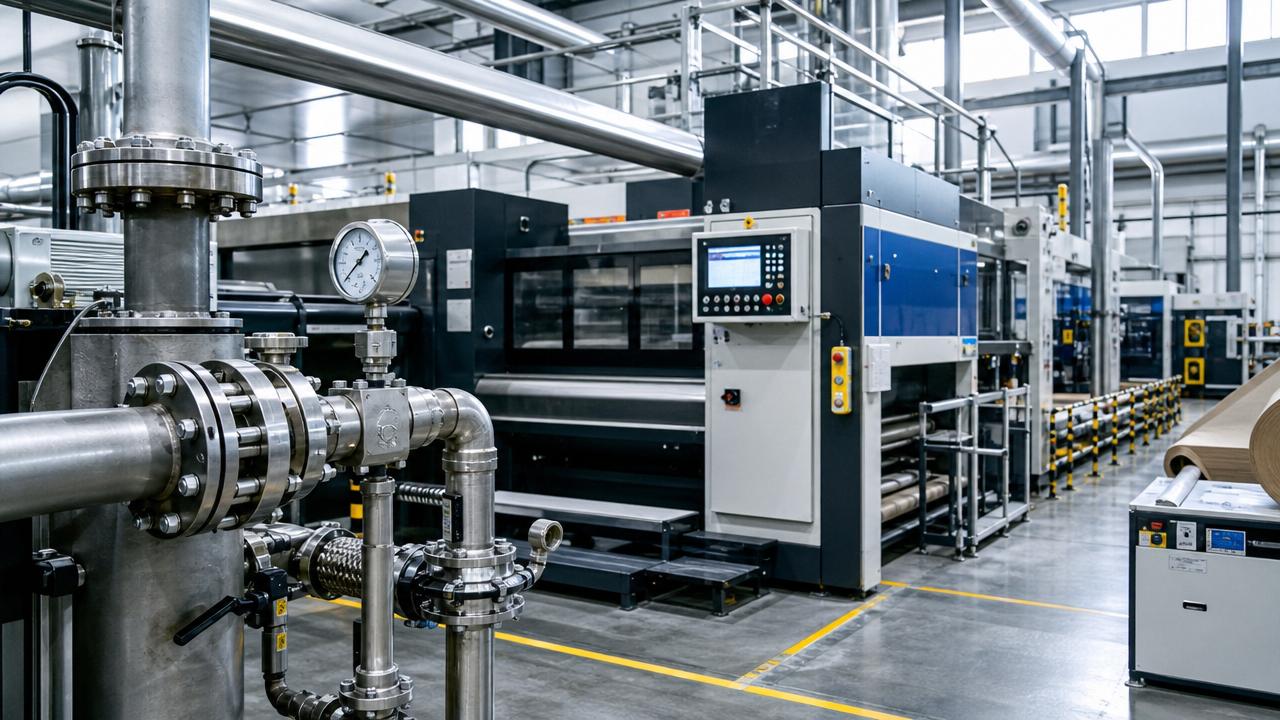
Before a planned shutdown, Critical System Sealing can determine whether printing, corrugating, post-press, and tissue lines restart smoothly—or face leaks, contamination, pressure loss, and safety incidents.
Sealing integrity is not a minor maintenance detail. It is a frontline risk barrier protecting operators, product consistency, and high-value machinery.
This article examines why failures appear before shutdown, which warning signs matter, and how disciplined inspection reduces downtime, waste, and compliance exposure.
Critical System Sealing Before Shutdown: Why the Scenario Is High Risk
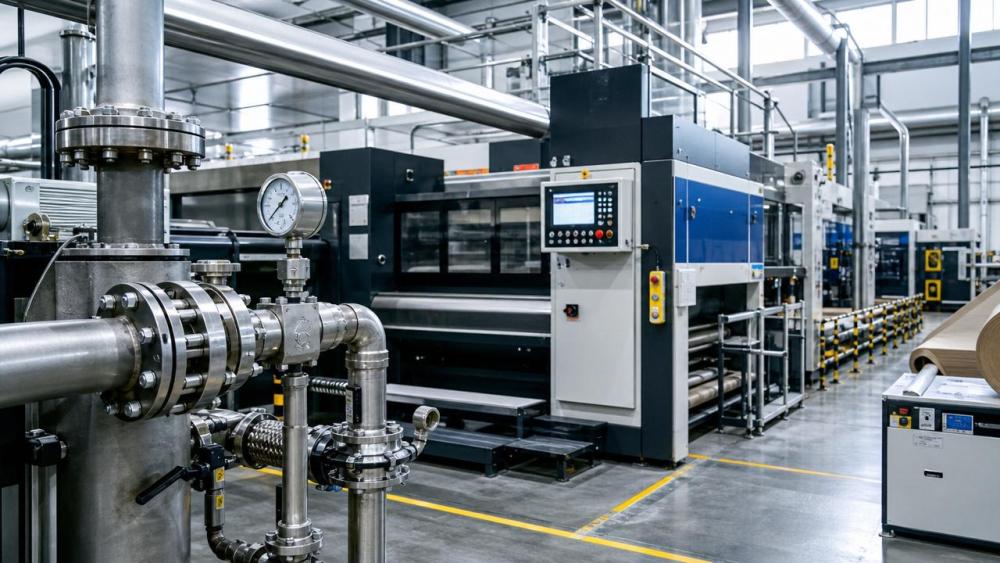
Shutdown changes how fluids, heat, pressure, and vibration behave inside production assets. Stable operating conditions disappear within a short window.
Critical System Sealing becomes vulnerable when pumps slow, steam lines cool, air pressure drops, and residual chemicals remain trapped near gaskets.
In paper-based manufacturing, this risk is amplified by moisture, fibers, adhesives, inks, lubricants, and abrasive dust.
A small sealing defect can become a restart failure after thermal contraction, idle compression loss, or overnight contamination.
For IPPS-covered equipment, shutdown is not one event. It is a chain of scenarios across digital print, corrugation, finishing, gluing, and tissue conversion.
Scenario Background: Different Lines Create Different Sealing Demands
Critical System Sealing must be judged by scenario, not by a generic checklist alone.
A digital inkjet press prioritizes ink purity, head protection, and stable negative pressure. A corrugator prioritizes steam containment and condensate control.
A folder gluer depends on adhesive delivery accuracy. A tissue rewinder requires dust isolation, pneumatic reliability, and hygienic surface protection.
Shutdown timing also changes the risk profile. A weekend stop differs from a shift change, seasonal overhaul, or emergency energy interruption.
The practical value lies in matching inspection depth to machine condition, process media, and restart criticality.
Digital Printing Scenario: Protecting Ink Paths and Pressure Balance
Industrial digital printers depend on micron-level ink behavior. Critical System Sealing protects that behavior before the line becomes idle.
Key areas include ink supply modules, printhead manifolds, filtration housings, degassing units, and waste ink circuits.
A failing seal may not leak visibly during production. It may allow air ingress when pressure stabilizes during shutdown.
Air bubbles, pigment settling, and dried ink rings can then cause nozzle dropout during restart.
Core judgment points for print lines
- Check wetness around fittings, even when production output still looks acceptable.
- Record vacuum drift after pump speed reduction.
- Inspect seals near heated ink zones for hardening or swelling.
- Confirm capping stations protect printheads without uneven compression.
In this scenario, Critical System Sealing directly supports color stability, printhead life, and waste reduction.
Corrugated Board Scenario: Managing Steam, Condensate, and Heat Cycling
Corrugated board lines combine speed, tension, steam, pressure, and paper moisture. Shutdown exposes weak sealing points quickly.
Critical System Sealing in corrugators includes rotary joints, steam traps, condensate return lines, glue circulation, hydraulic stations, and pneumatic actuators.
Thermal contraction can open pathways that were sealed while hot. Residual condensate may accelerate corrosion under idle conditions.
Glue starch systems add another risk. Cooling viscosity changes can strain pump seals and create deposits near valves.
Core judgment points for corrugation
- Compare steam pressure decay against normal shutdown history.
- Check condensate discharge for abnormal delay or hammering.
- Inspect rotary joints after temperature drops, not only while hot.
- Flush glue circuits before deposits lock around sealing surfaces.
For this scenario, Critical System Sealing protects board flatness, flute formation, energy efficiency, and safe restart.
Post-Press Scenario: Preventing Hydraulic, Pneumatic, and Foil-System Failures
Die-cutting, stamping, and embossing equipment operate through repeated force cycles. Shutdown can reveal hidden seal fatigue.
Critical System Sealing applies to hydraulic cylinders, lubrication manifolds, pneumatic clutches, vacuum feeders, and foil heating assemblies.
When machines stop, pressure equalization may expose micro-leakage around piston seals and valve blocks.
A small hydraulic film can become a serious safety hazard near high-speed sheet transport areas.
Vacuum leakage also matters. Poor suction at restart leads to misfeeds, register errors, sheet damage, and unnecessary tool adjustments.
Core judgment points for post-press systems
- Check cylinder rods for oil film after pressure relief.
- Confirm vacuum retention during feeder idle periods.
- Inspect pneumatic quick couplings before lockout completion.
- Watch foil heating zones for insulation-related sealing degradation.
Here, Critical System Sealing supports dimensional accuracy, machine safety, and premium finishing quality.
Folder Gluer Scenario: Keeping Adhesive Delivery Stable After Idle Time
Automatic folder gluers depend on millisecond-level adhesive placement. Shutdown can disturb glue pressure, nozzle sealing, and air control.
Critical System Sealing covers glue tanks, pumps, heated hoses, nozzle valves, pneumatic regulators, and exhaust filtration points.
If seals allow air into glue delivery, bead consistency suffers immediately during restart.
If adhesive dries around a valve seat, the first cartons after startup may show weak bonding or squeeze-out.
The biggest mistake is judging sealing only by visible leakage. Adhesive systems can fail through clogging, skinning, and internal bypass.
Core judgment points for gluing lines
- Purge adhesive circuits according to material stability limits.
- Inspect nozzle tips before dried glue becomes a restart defect.
- Confirm pneumatic pressure holds after main air reduction.
- Check seals exposed to hot-melt cycling for hardening.
In folding and gluing, Critical System Sealing protects packaging strength, appearance, and line speed recovery.
Tissue Processing Scenario: Controlling Dust, Hygiene, and Pneumatic Reliability
Tissue converting lines introduce different shutdown risks. Fiber dust, embossing pressure, rewinder speed, and packaging hygiene all interact.
Critical System Sealing includes dust extraction ducts, bearing housings, compressed air systems, embossing units, and packaging contact zones.
Dust can mask minor oil leakage. It can also accumulate around seals, raising friction and contamination risk.
Compressed air leakage becomes costly during idle periods. It can also reduce actuator response during the next startup sequence.
Hygienic shutdown requires sealing checks that prevent lubricant migration and foreign material exposure.
Core judgment points for tissue machinery
- Inspect seals hidden by paper dust before cleaning is completed.
- Check air pressure decay across packaging and transfer modules.
- Verify bearing protection near embossing and rewinding sections.
- Separate hygiene-related sealing issues from ordinary mechanical leaks.
In tissue production, Critical System Sealing protects cleanliness, uptime, and consumer product confidence.
Different Scenario Requirements for Critical System Sealing
This comparison shows why Critical System Sealing must be tied to media, machine function, and shutdown duration.
The same visible leak may carry different consequences across ink, steam, glue, hydraulic oil, or compressed air systems.
Scenario-Based Adaptation Recommendations Before Shutdown
A practical sealing program should separate immediate safety checks from restart reliability checks.
Critical System Sealing should also be documented through trend data, not only inspection comments.
- Map critical seals by process media and restart consequence.
- Inspect after pressure changes, temperature drops, or cleaning cycles.
- Record pressure decay, vacuum loss, leakage location, and residue type.
- Use compatible seal materials for ink, adhesive, steam, oil, and sanitation needs.
- Create restart acceptance criteria before the shutdown begins.
The strongest approach combines visual inspection, functional testing, cleaning discipline, and spare-part readiness.
Where downtime cost is high, Critical System Sealing deserves a formal pre-shutdown risk score.
Common Misjudgments That Hide Sealing Failure Risks
Many shutdown failures come from small assumptions made before the final stop.
One common error is believing no visible drip means no sealing problem. Internal bypass can be equally damaging.
Another error is checking seals only at operating temperature. Some defects appear after cooling, drying, or pressure equalization.
Cleaning can also create false confidence. Washdown may remove evidence while pushing moisture toward vulnerable interfaces.
Replacing a gasket without checking flange condition is another frequent mistake. Surface damage often repeats the failure.
Critical System Sealing also suffers when spare seals are chosen only by size, not by chemical, temperature, and pressure compatibility.
Action Guide: Turning Critical System Sealing Into Shutdown Discipline
Effective action starts before the stop command. Identify which sealing failures could affect safety, quality, compliance, or restart time.
Build a short checklist for each line type rather than relying on one universal form.
For digital printers, prioritize ink circuit tightness. For corrugators, prioritize steam and condensate stability.
For post-press assets, prioritize hydraulic and vacuum retention. For folder gluers, prioritize adhesive and pneumatic sealing.
For tissue lines, prioritize dust isolation, hygiene boundaries, and compressed air decay.
Critical System Sealing should be reviewed after restart as well. Compare actual defects against pre-shutdown observations.
That feedback loop turns sealing maintenance into operational intelligence, supporting yield, safety, and sustainable paper-based manufacturing.
For IPPS readers, the next step is practical. Link sealing checks with shutdown planning, restart validation, and equipment lifecycle strategy.
When Critical System Sealing is treated as a scenario-based risk barrier, shutdown becomes controlled, predictable, and far less expensive.
Industry Briefing
Get the top 5 industry headlines delivered to your inbox every morning.
Recommended News