
Extreme Condition Seals: How to Avoid Early Wear
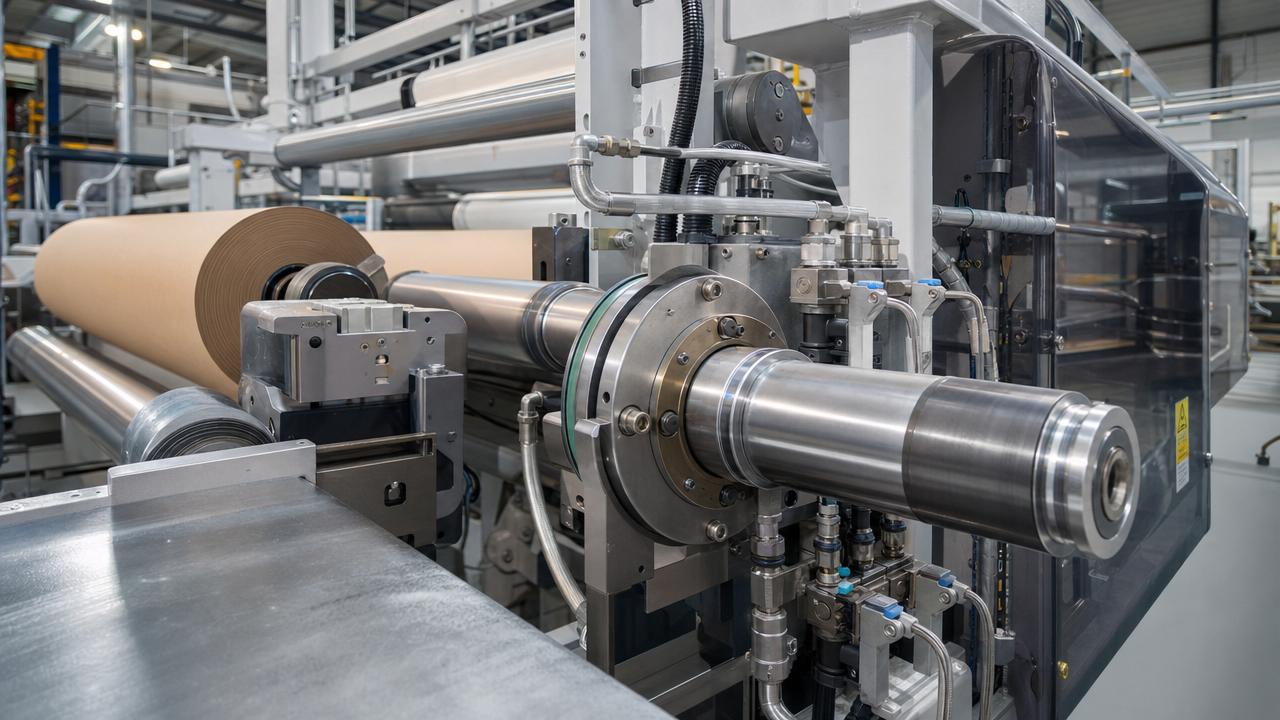
Extreme Condition Seals are critical to keeping high-speed printing, corrugating, converting, and tissue machinery running under heat, pressure, dust, chemicals, and continuous vibration.
For aftermarket maintenance, early seal wear is more than a spare-parts issue. It can trigger downtime, web tension instability, ink contamination, glue leakage, and costly production losses.
As paper-based packaging expands, machines run faster and cleaner. Extreme Condition Seals now sit at the center of reliability, energy control, and output consistency.
Extreme Condition Seals Are Becoming Reliability Gatekeepers
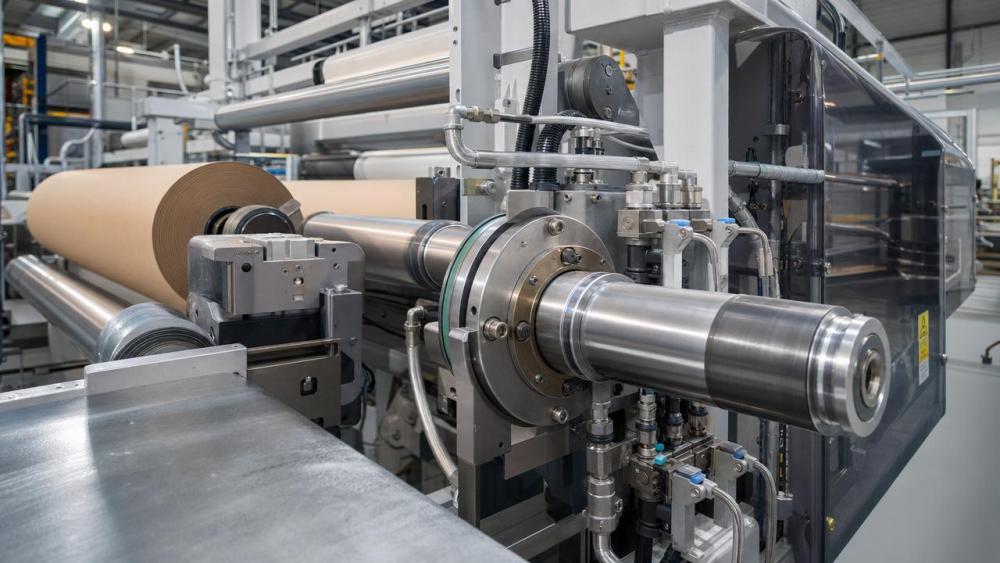
Modern paper and packaging lines no longer tolerate small leaks, pressure drift, or dust intrusion. One failed sealing point can disturb an entire production rhythm.
In digital printing, Extreme Condition Seals help protect ink delivery, vacuum paths, and motion systems from contamination and pressure fluctuation.
In corrugated board lines, they face steam, starch glue, heat cycles, vibration, and abrasive paper dust across long operating windows.
In tissue processing, sealing performance affects rewinding stability, embossing consistency, lubricant control, and hygiene standards.
This trend shifts sealing decisions from low-cost replacement to lifecycle protection. Extreme Condition Seals must be selected, installed, and monitored with greater discipline.
Trend Signals Point to Harsher Operating Conditions
Several industry changes are accelerating seal stress. Higher line speeds are only one part of the story.
Packaging formats change quickly. Shorter runs increase washdowns, start-stop cycles, and temperature variation inside critical modules.
Sustainable substrates also create new challenges. Recycled paper can release more dust, fines, and surface particles during converting.
Water-based inks, specialty coatings, starch adhesives, and cleaning agents may interact differently with elastomers, lips, and seal housings.
Under these conditions, Extreme Condition Seals need stronger chemical compatibility, better heat resistance, and improved contamination exclusion.
Early wear is often a symptom, not the root problem
A leaking seal may reveal misalignment, shaft runout, wrong lubricant, pressure spikes, or poor surface finish.
Replacing the same part repeatedly may hide the real fault. Extreme Condition Seals only perform well when surrounding conditions are controlled.
What Is Driving Premature Seal Failure
Premature wear usually comes from combined stress. Heat, friction, particles, and chemicals often attack the seal at the same time.
The strongest Extreme Condition Seals cannot compensate for all system defects. They need correct surface, lubricant, pressure, and installation conditions.
Impact Across Printing, Corrugating, Converting, and Tissue Lines
Seal wear has different consequences across production areas. The common outcome is unstable machine behavior before visible failure.
Digital printing systems
Inkjet platforms depend on clean fluid paths and stable pressure. Worn Extreme Condition Seals can allow air, particles, or leakage.
The result may include color variation, nozzle instability, ink mist, or unexpected cleaning cycles.
Corrugated board lines
Corrugators expose seals to steam heat, adhesive, vibration, and paper dust. Early wear may affect rollers, bearings, and glue stations.
When sealing weakens, web tension control may become less predictable. Board quality can drift before a stoppage occurs.
Die-cutting, stamping, and folder gluing
High-speed strokes and adhesive systems need clean lubrication and stable pneumatic control. Extreme Condition Seals protect both motion and precision.
Seal failure can cause glue leakage, weak creasing consistency, stamping defects, or erratic folding behavior.
Tissue processing machinery
Tissue lines create fiber dust and run continuously. Seals must resist fine particles while supporting high-speed rewinding and embossing.
Hygiene expectations make leakage more serious. Extreme Condition Seals help reduce contamination risks and cleaning burden.
How to Diagnose Early Wear Before It Becomes Downtime
Effective diagnosis begins with pattern recognition. The worn surface often explains the operating condition that caused failure.
- Polished lips may indicate insufficient lubrication or excessive friction.
- Cracked elastomer may indicate overheating or chemical aging.
- One-sided wear may indicate misalignment or shaft runout.
- Swelling may indicate poor media compatibility.
- Grooved shafts may indicate abrasive dust or hardened particles.
A removed seal should not be discarded immediately. It is evidence for improving the next installation.
Photograph the seal, record runtime, note lubricant type, and document nearby operating changes.
For Extreme Condition Seals, this evidence can reveal whether the problem is material selection, installation, or machine condition.
Maintenance Priorities That Extend Seal Life
The best reliability gains usually come from disciplined basics. Small improvements often prevent repeated early wear.
Control the shaft and housing condition
Seal contact surfaces must be smooth, clean, and correctly dimensioned. Scratches can become leak paths or abrasive cutting edges.
Check surface finish, hardness, eccentricity, and installation chamfers. Extreme Condition Seals need stable contact geometry to survive.
Match material to real exposure
Do not select seals using temperature alone. Media chemistry, pressure, speed, and cleaning routines are equally important.
Fluoroelastomers, PTFE, polyurethane, silicone, and specialty composites behave differently under heat, steam, ink, oil, and adhesives.
Extreme Condition Seals should be chosen against the complete duty cycle, not only the normal running condition.
Improve contamination exclusion
Paper dust is highly damaging when mixed with lubricant. It becomes a fine abrasive compound around moving parts.
Use shields, labyrinth features, wipers, and controlled cleaning points where dust loads are heavy.
Standardize installation practice
Many early failures begin during fitting. Twisted, nicked, stretched, or dry-installed seals fail faster.
Use proper tools, protect lips from sharp edges, and lubricate according to material guidance.
Extreme Condition Seals should be handled as precision components, not simple consumables.
Key Points to Watch as Equipment Requirements Evolve
Reliability expectations are rising as automation expands. Unmanned production makes early warning more valuable than emergency repair.
- Track seal life by machine zone, not only by part number.
- Compare failures with speed increases and new substrates.
- Record chemical changes in inks, coatings, adhesives, and cleaners.
- Inspect shaft surfaces whenever Extreme Condition Seals are replaced.
- Treat repeated leakage as a system warning, not a normal cost.
Condition monitoring also supports better decisions. Temperature, vibration, pressure, and leakage trends can identify stress before breakdown.
For IPPS-focused operations, seal data connects directly with uptime, yield rate, web stability, and sustainable production efficiency.
Practical Response Plan for Avoiding Early Wear
A structured response helps avoid guesswork. The goal is not only longer seal life, but more stable equipment behavior.
This response plan should be repeated across critical modules. Over time, the data creates a stronger maintenance baseline.
Extreme Condition Seals then become part of a measurable reliability strategy, rather than isolated replacement items.
Next Steps for More Reliable Paper-Based Production
Start by mapping every sealing point that affects uptime, quality, safety, or hygiene. Rank them by failure cost and operating severity.
Then review the last three failures in each critical zone. Look for shared patterns in heat, dust, chemicals, alignment, or installation.
Finally, update maintenance standards around inspection, storage, fitting, and monitoring. Extreme Condition Seals reward consistency.
As printing and packaging equipment moves toward faster, cleaner, and more automated production, sealing reliability will keep gaining strategic value.
A disciplined seal program protects web tension, ink quality, glue control, tissue hygiene, and energy efficiency.
Use Extreme Condition Seals as a practical starting point for reducing early wear, preventing downtime, and strengthening lifecycle performance.
Industry Briefing
Get the top 5 industry headlines delivered to your inbox every morning.
Recommended News