
High-Performance Gaskets: Failure Risks to Avoid
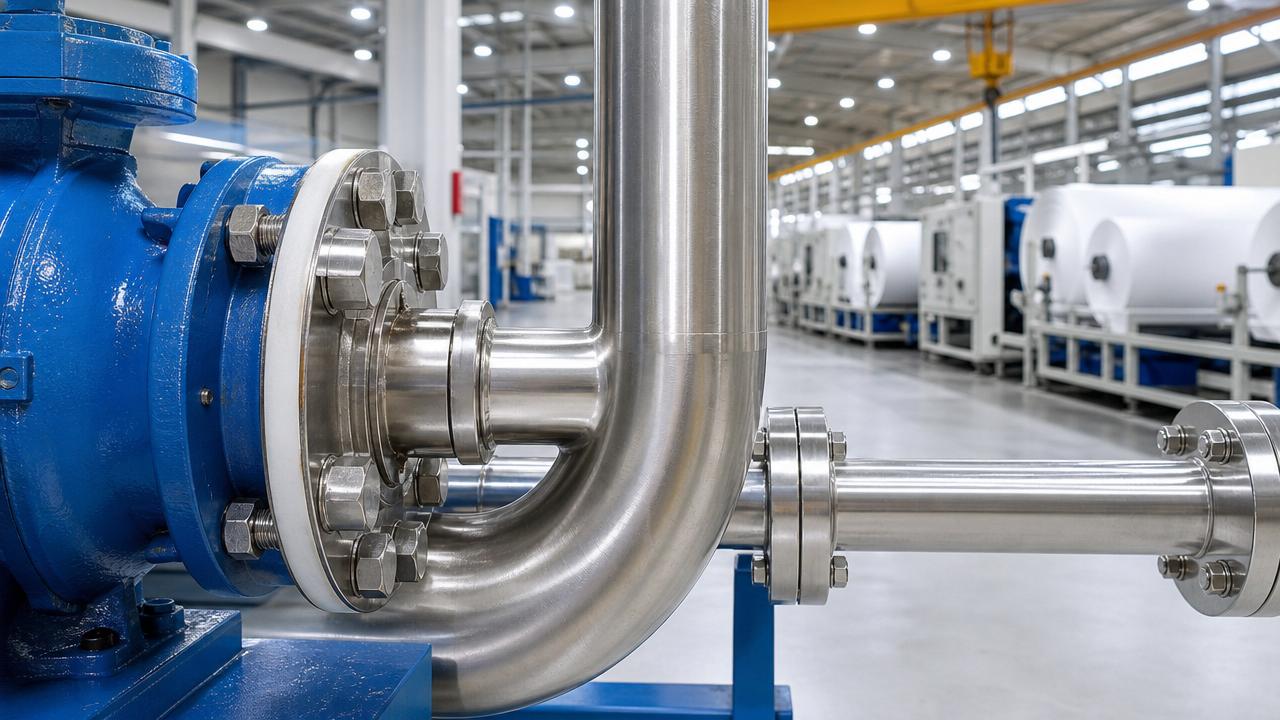
High-Performance Gaskets are small components with outsized impact on equipment reliability, product quality, and workplace safety. In printing, corrugating, post-press, and tissue processing systems, gasket failure can trigger leaks, pressure loss, contamination, unplanned downtime, or even operator hazards. For quality control and safety teams, understanding the hidden risks behind material mismatch, poor installation, thermal stress, and chemical exposure is essential. This guide highlights the key failure points to avoid so production lines stay stable, compliant, and efficient.
What Makes High-Performance Gaskets Critical in Industrial Systems?
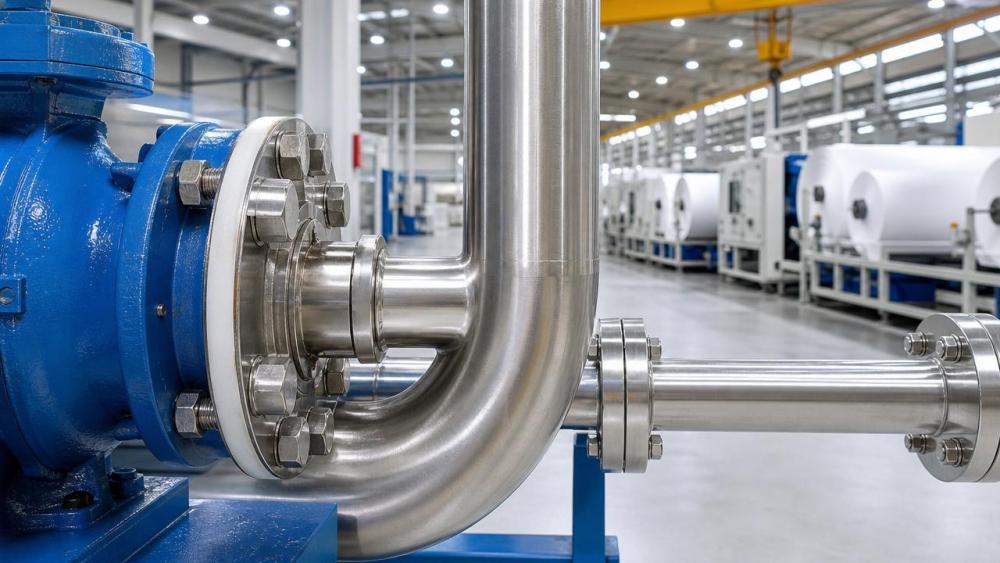
High-Performance Gaskets seal joints where pressure, temperature, fluids, steam, ink, adhesive, or lubricants must remain controlled.
They appear in pumps, dryers, steam lines, ink delivery systems, glue circuits, hydraulic units, and vacuum assemblies.
In paper converting and packaging equipment, stable sealing directly supports web tension, drying balance, clean transfer, and repeatable output.
A weak gasket can disturb pressure profiles, creating defects that may look like process instability or machine misalignment.
High-Performance Gaskets are different from general sealing parts because they are engineered for demanding combinations.
- High temperature and thermal cycling
- Aggressive cleaning chemicals or process fluids
- Steam, air, oil, solvent, or adhesive exposure
- Vibration, compression, and repeated maintenance access
- Strict contamination control and safety requirements
When selecting High-Performance Gaskets, the question is not only whether they seal at startup.
The better question is whether they keep sealing after months of heat, pressure, washing, and vibration.
Why Do High-Performance Gaskets Fail Before Their Expected Life?
Early failure usually results from several small mistakes, not one obvious defect.
High-Performance Gaskets may look simple, but they work inside complex mechanical, chemical, and thermal environments.
Is material mismatch the most common failure trigger?
Material mismatch is one of the fastest ways to shorten gasket life.
A gasket compatible with water may fail quickly in solvent, oil, hot adhesive, or alkaline cleaning agents.
In industrial print lines, inks and cleaning fluids can swell, harden, or crack unsuitable elastomers.
In corrugated board lines, steam condensate and heat can weaken materials not designed for thermal fatigue.
High-Performance Gaskets should be matched against fluid type, concentration, temperature, pressure, and cleaning frequency.
Can installation damage cause hidden leaks?
Yes. Many gasket failures begin during installation, long before leakage is visible.
Uneven bolt tightening can crush one side while leaving another side under-compressed.
Scratched flanges, leftover adhesive, rust, or old gasket fragments prevent uniform sealing contact.
High-Performance Gaskets also fail when reused after compression set has already changed their shape.
A disciplined installation method is often more valuable than a premium material used carelessly.
How does thermal cycling create failure?
Thermal cycling expands and contracts metal surfaces and sealing materials at different rates.
Over time, this movement can reduce compression, create micro-gaps, or accelerate cracking.
High-Performance Gaskets used near dryers, steam systems, heaters, or hot glue units need stable recovery properties.
Thermal shock is especially risky after washdown, cold startup, or rapid process changeover.
Where Are High-Performance Gaskets Most Vulnerable in Print and Paper Equipment?
High-Performance Gaskets face different stresses across printing, corrugating, post-press, and tissue processing lines.
Knowing the local risk helps prevent generic maintenance decisions that miss the real failure mechanism.
Industrial digital printing systems
Inkjet systems rely on stable pressure, clean flow, and controlled recirculation.
A failing gasket can introduce air, cause pressure drift, or allow ink leakage around sensitive components.
High-Performance Gaskets in these areas must resist ink chemistry, cleaning agents, and fine particulate contamination.
Even small leaks can affect color consistency, nozzle reliability, and substrate cleanliness.
Corrugated board lines
Corrugators combine steam, heat, pressure, vibration, and high-speed web movement.
High-Performance Gaskets may be exposed to steam joints, condensate systems, starch preparation, and hydraulic circuits.
Steam leakage can reduce heat transfer, disrupt flute formation, and increase energy consumption.
Seal failure near rotating or hot surfaces can also create serious safety concerns.
Die-cutting, stamping, and folder gluer systems
Post-press equipment depends on accurate motion and repeatable adhesive application.
High-Performance Gaskets in pneumatic, hydraulic, and glue delivery circuits protect both timing and bonding quality.
Glue leakage can contaminate cartons, reduce appearance quality, and require time-consuming cleaning.
Air leakage can reduce actuator response, causing folding errors or unstable registration.
Tissue processing machinery
Tissue production includes embossing, rewinding, cutting, and packaging under hygiene-sensitive conditions.
High-Performance Gaskets must support clean operation, stable vacuum, and resistance to cleaning cycles.
Contamination, odor transfer, or lubricant migration can damage product acceptability.
For hygiene applications, gasket selection should consider extractables, cleaning compatibility, and surface cleanliness.
How Can the Right High-Performance Gaskets Be Selected?
Selection should begin with operating reality, not only catalog temperature ratings.
High-Performance Gaskets must be evaluated as part of the full joint design and maintenance environment.
Which operating data matters most?
Reliable selection requires a practical sealing profile.
- Maximum and minimum operating temperature
- Continuous pressure and pressure spikes
- Fluid, steam, oil, ink, glue, or chemical exposure
- Cleaning frequency and cleaning agent concentration
- Flange condition, surface finish, and bolt pattern
- Required food, hygiene, fire, or environmental compliance
This data helps separate truly suitable High-Performance Gaskets from parts that only appear acceptable.
Which material families are commonly considered?
Different gasket materials suit different sealing challenges.
PTFE-based options provide strong chemical resistance and low contamination risk in many fluid systems.
Graphite-based gaskets handle high temperature and steam, especially in demanding thermal services.
Elastomers such as EPDM, FKM, and silicone serve many dynamic or low-pressure applications.
Fiber-reinforced materials may be suitable for general industrial sealing when chemicals and heat are controlled.
High-Performance Gaskets should never be selected by material name alone.
Grade, filler, hardness, compression behavior, and certification can change performance significantly.
What Failure Risks Should Be Avoided During Installation and Maintenance?
Even well-selected High-Performance Gaskets can fail if installation habits are inconsistent.
Maintenance practices should make sealing performance repeatable, documented, and easy to audit.
What installation mistakes are most damaging?
- Using the wrong gasket thickness for the flange design
- Tightening bolts without a cross-pattern sequence
- Applying excess sealant that contaminates the process
- Installing on dirty, damaged, or wet sealing faces
- Reusing compressed gaskets after disassembly
- Ignoring torque relaxation after heat cycling
High-Performance Gaskets need proper compression, not maximum force.
Over-tightening can extrude, crack, or permanently deform the sealing material.
How should inspection be planned?
Inspection should combine visual checks with process symptoms.
Look for staining, residue, odor, pressure loss, abnormal compressor cycling, or rising steam consumption.
In print systems, watch for ink mist, unstable meniscus control, or unexplained color variation.
In corrugators, monitor warm-up delays, condensate imbalance, and localized moisture defects.
High-Performance Gaskets should be replaced before failure becomes a line stoppage.
How Do High-Performance Gaskets Affect Cost, Compliance, and Downtime?
The purchase price of a gasket is usually small compared with the cost of failure.
A leak can waste energy, damage product, contaminate equipment, or stop an entire production sequence.
High-Performance Gaskets support cost control by extending maintenance intervals and reducing emergency repairs.
They also help maintain audit readiness when sealing relates to hygiene, emissions, safety, or chemical handling.
In sustainable packaging operations, leakage prevention also supports cleaner production and lower resource waste.
What Is a Practical Checklist for Avoiding Gasket Failure?
A simple checklist can turn gasket reliability from guesswork into a controlled maintenance practice.
- Map all critical sealing points on each production line.
- Record temperature, pressure, media, and cleaning exposure.
- Identify locations where failure affects safety or product quality.
- Standardize approved High-Performance Gaskets by application.
- Store gaskets away from heat, ozone, sunlight, and deformation.
- Clean sealing faces before each installation.
- Use correct torque values and tightening sequences.
- Document failures with photos, operating conditions, and root causes.
The strongest programs treat High-Performance Gaskets as reliability components, not minor consumables.
This mindset reduces repeat failures and improves decision quality during upgrades or troubleshooting.
Final Takeaway: How Should Sealing Reliability Move Forward?
High-Performance Gaskets protect the invisible stability behind modern industrial production.
They help printing, corrugating, post-press, and tissue systems maintain pressure, cleanliness, safety, and efficiency.
Most failures can be avoided through better material matching, cleaner installation, inspection discipline, and documented selection rules.
Start by reviewing the most critical sealing points where leakage would stop production or damage product quality.
Then compare current specifications against real operating conditions, not assumptions from past equipment settings.
With the right High-Performance Gaskets and repeatable maintenance practices, production lines gain longer uptime and safer operation.
Industry Briefing
Get the top 5 industry headlines delivered to your inbox every morning.
Recommended News