
Advanced Polymer Seals: Failure Signs to Check
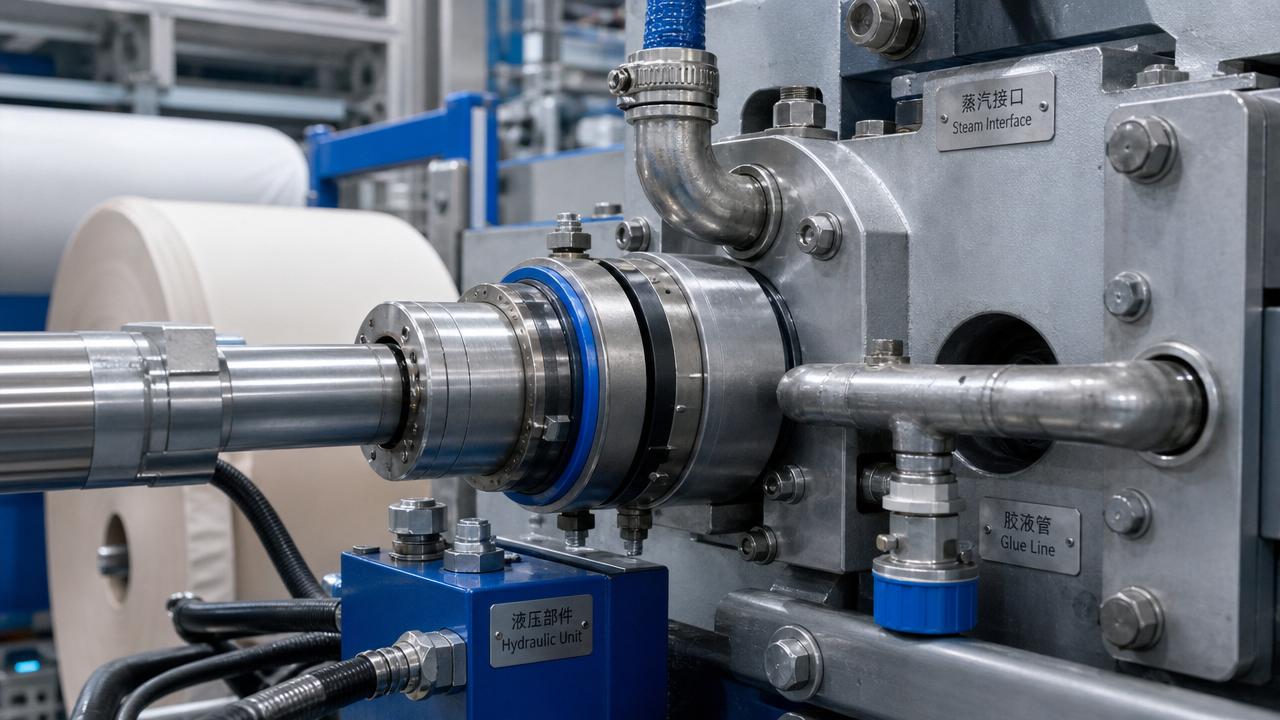
In high-speed printing, corrugating, post-press, and tissue converting lines, small seal failures can quickly escalate into quality defects, safety risks, and costly downtime. Advanced Polymer Seals are designed to withstand heat, pressure, chemicals, and continuous motion, but they still require systematic inspection. For quality control and safety managers, recognizing early warning signs—such as leakage, deformation, abnormal friction, contamination, or pressure instability—is essential to protecting equipment reliability, operator safety, and consistent production output.
Why seal failure deserves closer attention in paper-based manufacturing
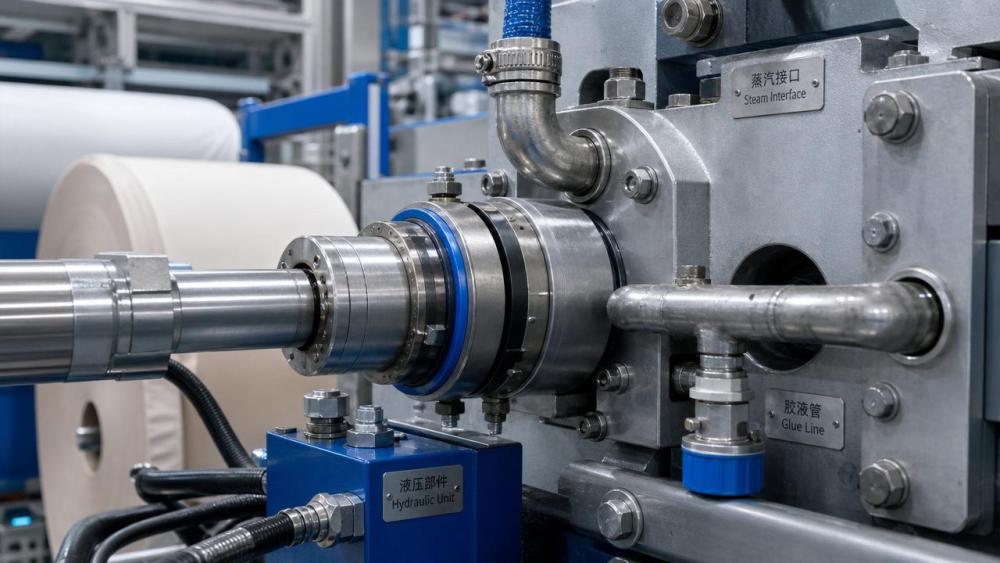
In industrial printing and paper packaging plants, seals are rarely the most visible component. Yet they influence ink circulation, glue delivery, steam management, hydraulic motion, pneumatic control, and lubrication containment.
Advanced Polymer Seals are often selected because conventional rubber or basic elastomer seals cannot tolerate the combined stress of heat, washdown chemicals, high cycling rates, and abrasive paper dust.
For IPPS-focused production environments, the risk is not only mechanical. A leaking seal can cause ink mist, glue contamination, oil marks on board, unstable web tension, or unsafe floor conditions.
Typical equipment zones where failures appear first
- Inkjet print modules, where pressure stability and clean fluid paths affect drop placement, color consistency, and printhead protection.
- Corrugated board lines, where steam, starch adhesive, heat, and vibration place continuous stress on rotary and static sealing points.
- Die-cutting and stamping systems, where hydraulic cylinders and pneumatic actuators must sustain repeatable high-speed motion.
- Automatic folder gluers, where adhesive pumps, nozzles, and pneumatic folding devices depend on stable sealing performance.
- Tissue rewinders and embossing units, where dust, soft fibers, and high line speeds make contamination control critical.
The practical goal is not to replace seals only after visible breakdown. Quality and safety teams need inspection criteria that reveal deterioration before failures reach production batches.
Failure signs to check before defects reach customers
Advanced Polymer Seals do not usually fail without warning. Most failures begin as small changes in leakage behavior, friction, surface condition, or process stability.
The following table translates common visual and operational symptoms into inspection actions for quality control and safety managers.
This type of table should be embedded into daily rounds, not stored only in maintenance manuals. Early trending gives teams a stronger basis for planned replacement.
Leakage is not always the first symptom
Many teams wait for visible leakage before acting. In high-speed systems, this is late-stage evidence. Advanced Polymer Seals may first show higher drive load, vibration, or pressure fluctuation.
For digital printers, small pressure instability can shift jetting accuracy. For folder gluers, adhesive dosing inconsistency can cause weak bonds before the seal appears damaged.
How to evaluate Advanced Polymer Seals by application scenario
Selection should start with actual process stress, not only nominal size. Temperature, media chemistry, speed, pressure pulses, and cleaning method all change seal life.
Advanced Polymer Seals used in paper-based manufacturing may include PTFE-based compounds, polyurethane, fluoroelastomer blends, engineered thermoplastics, or composite lip designs.
Scenario-based selection guide
The table below helps procurement, QC, and safety teams connect production zones with practical seal requirements before approving replacement parts or new machine specifications.
A correct seal is therefore a process decision. The same material may perform well in a hydraulic cylinder but fail early in an ink circuit exposed to aggressive cleaning agents.
Key questions before approving a replacement
- What fluid or gas contacts the seal during normal operation, cleaning, and emergency flushing?
- What is the actual operating temperature at the seal interface, not only the machine nameplate value?
- Does the seal face rotary, reciprocating, oscillating, or static service?
- Is product contamination more critical than minor leakage, especially in premium packaging or tissue production?
- Can the replacement be installed without changing shaft finish, gland clearance, or lubrication practice?
Inspection methods that fit QC and safety workflows
A good inspection program must be fast enough for production reality. It should not require dismantling every guarded section during every shift.
For Advanced Polymer Seals, combine visual checks, instrument readings, operator feedback, and planned teardown review. This creates evidence before failure becomes expensive.
Practical inspection checklist
- Check for fresh fluid traces, dried residue, glue stringing, ink mist, oil rings, or moisture paths around seal housings.
- Compare operating pressure, vacuum, or air consumption against stable historical ranges for the same job type.
- Listen for squeal, chatter, or inconsistent actuator movement during acceleration, braking, and repeated cycling.
- Inspect nearby product surfaces for oil spotting, ink smearing, crushed flute patterns, weak bonding, or tissue dust accumulation.
- Record whether failures appear after washdown, paper grade change, adhesive change, or speed increase.
When to stop the line instead of monitoring
Not every seal issue requires immediate shutdown. However, safety managers should stop the line if leakage creates slip hazards, spray exposure, hot fluid risk, or fire risk.
Quality teams should also escalate if contamination reaches customer-facing surfaces, food-contact packaging pathways, or tissue hygiene zones where cleaning validation is required.
Material comparison: which seal type matches the risk profile?
Advanced Polymer Seals should not be purchased as a generic premium upgrade. Each material family has trade-offs in flexibility, abrasion, temperature, friction, and chemical resistance.
The comparison below supports practical discussions among purchasing, engineering, quality, and safety stakeholders.
The lowest unit price can become expensive if it leads to repeated stops. The best value comes from matching Advanced Polymer Seals to verified process conditions.
Procurement decisions: what QC and safety teams should ask suppliers
Procurement often focuses on size, price, and delivery. For mission-critical equipment, that is not enough. Advanced Polymer Seals require traceable material and application clarity.
A supplier should help verify operating limits, installation drawings, material compatibility, expected storage conditions, and replacement intervals under realistic workloads.
Supplier evaluation points
- Ask for material data sheets that state temperature range, hardness, media compatibility, and general mechanical properties.
- Confirm whether the seal is suitable for static, rotary, reciprocating, or combined movement in your equipment zone.
- Request guidance on gland dimensions, installation tools, lubrication, shaft roughness, and allowable extrusion gap.
- Check whether batch traceability and inspection records can support internal quality audits.
- Discuss lead time for standard sizes, custom profiles, urgent shutdown support, and sample evaluation.
Cost thinking beyond unit price
A seal that costs less per piece may increase cleaning labor, rework, complaint risk, and downtime. The calculation should include production speed and defect sensitivity.
In corrugated packaging, a seal-related adhesive issue can affect bond integrity across many boxes. In digital printing, a pressure deviation can waste customized short-run jobs.
Compliance, documentation, and audit readiness
Quality and safety managers increasingly need evidence, not assumptions. Documentation matters when customers demand sustainable packaging, hygiene control, and consistent process capability.
Depending on the application, teams may reference general practices related to ISO 9001 quality management, ISO 45001 safety systems, food-contact expectations, or machine safety assessments.
Documents worth keeping with critical seals
- Material declaration or technical data sheet covering the polymer family and relevant operating limits.
- Installation record showing date, machine location, installer, lubrication method, and any abnormal findings.
- Inspection log linking seal condition to pressure readings, product defects, cleaning events, and operating hours.
- Corrective action report if leakage, contamination, or unsafe exposure caused line stoppage or product hold.
This documentation also improves purchasing decisions. Over time, teams can identify which Advanced Polymer Seals perform well under specific inks, adhesives, temperatures, and speeds.
FAQ: practical questions about Advanced Polymer Seals
How often should Advanced Polymer Seals be inspected?
Inspection frequency depends on risk. Critical ink, hydraulic, steam, or hygiene-related sealing points should be checked during routine rounds and reviewed during planned maintenance.
If a line recently changed ink chemistry, glue formulation, paper grade, cleaning agent, or speed profile, increase inspection frequency until stable data is available.
Can one seal material be standardized across all machines?
Standardization can reduce inventory, but it should not override application fit. A material suitable for hydraulic oil may not suit steam, UV ink, starch adhesive, or alkaline cleaning.
A balanced strategy is to standardize by equipment zone and risk category, not by one universal seal type.
What is the most common purchasing mistake?
The most common mistake is replacing by dimension only. Size matching does not confirm chemical compatibility, motion type, temperature capability, extrusion resistance, or contamination behavior.
Before purchasing Advanced Polymer Seals, confirm the real operating environment and failure history. This prevents repeated replacement of the same weak point.
When should a custom seal profile be considered?
Custom profiles may be justified when standard seals fail repeatedly despite correct installation, or when equipment runs under unusual pressure, temperature, motion, or cleanliness requirements.
Custom design should include dimensional review, material selection, installation assessment, and trial monitoring before broad rollout across multiple machines.
Why choose IPPS intelligence for seal-related reliability decisions
IPPS observes the full chain of industrial digital printing, corrugated board forming, post-press processing, folder gluing, and tissue converting. That cross-process view matters.
Advanced Polymer Seals are not isolated spare parts in these systems. They connect fluid control, motion reliability, contamination prevention, web stability, and operator safety.
Our intelligence approach helps teams ask the right questions before failure: which seal material fits the ink circuit, which profile suits the corrugator steam zone, and which documentation supports audits.
Contact us for practical decision support
- Parameter confirmation for temperature, pressure, media compatibility, speed, and movement type.
- Product selection guidance for Advanced Polymer Seals used in printers, corrugators, die-cutters, folder gluers, and tissue lines.
- Custom solution discussion for difficult leakage, contamination, friction, or short service-life problems.
- Support questions about lead time, sample evaluation, replacement planning, audit documents, and quotation communication.
If seal failures are already affecting yield, safety, or delivery stability, use the next maintenance window to gather evidence and discuss a structured selection plan with IPPS.
Industry Briefing
Get the top 5 industry headlines delivered to your inbox every morning.
Recommended News