
Paper-Based Packaging Trends Reshaping 2026 Supply Chains
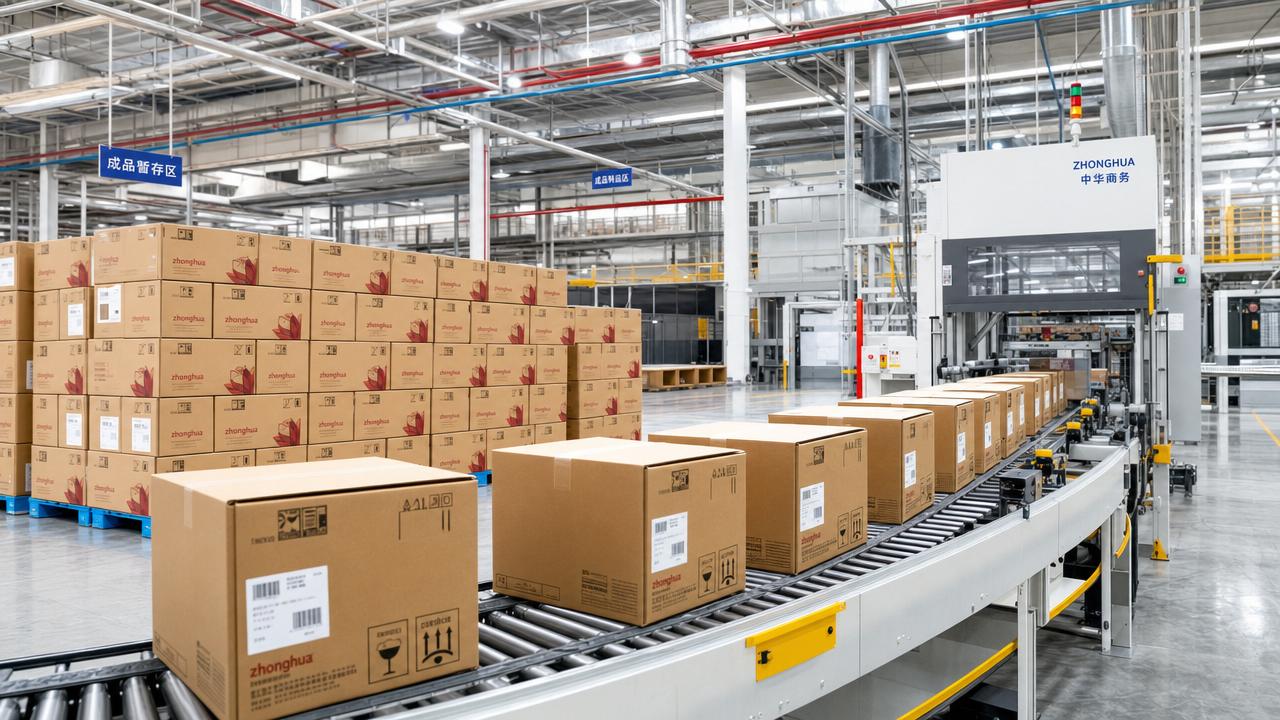
Paper-Based Packaging Is Becoming a Supply-Chain Decision, Not a Branding Detail
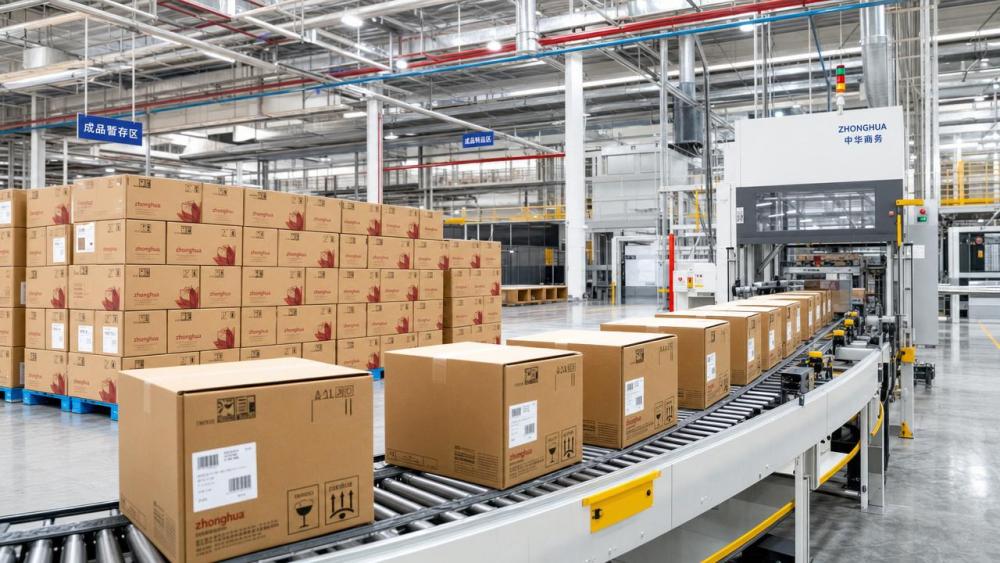
As 2026 gets closer, paper-based packaging is being judged less by its eco image and more by its operational impact.
That shift matters because packaging now influences freight efficiency, compliance exposure, production flexibility, and inventory speed at the same time.
In many sectors, the real question is no longer whether paper can replace plastic.
The more urgent question is whether paper-based packaging can support volatile demand, tighter regulations, and automated fulfillment without creating new cost pressure.
This is why the latest movement around corrugated formats, digital printing, and precision post-press is drawing wider attention.
Across global packaging systems, paper is increasingly linked to resilience, not just responsibility.
That broader view is also visible in the intelligence work surrounding industrial print and paper systems.
The most useful signals now come from how materials behave on machines, how boxes move through logistics, and how standards reshape acceptable formats.
Why the signal is getting stronger across 2026 planning cycles
Recent demand patterns show that paper-based packaging is gaining priority for reasons that go beyond sustainability reporting.
Three forces are making the shift more visible.
- E-commerce growth keeps rewarding lightweight, stackable, damage-resistant paper formats.
- FSC and EUDR expectations are pushing traceability deeper into packaging decisions.
- Automation projects need packaging that runs consistently on fast converting and packing lines.
Cost volatility is another reason the discussion has changed.
When paper price indices swing, the focus quickly moves to board grade optimization, waste reduction, and machine yield.
That makes paper-based packaging a technical and financial topic at once.
More importantly, converting technology has matured enough to support this transition at scale.
High-speed corrugated board lines, industrial digital printers, and folder gluers are no longer isolated assets.
They are being evaluated as a connected system that determines throughput, SKU flexibility, and packaging quality.
The technology shift is happening in the converting line, not only in material choice
A common mistake is to treat paper-based packaging as a raw material substitution story.
In practice, the larger transformation is happening inside the production chain.
Industrial digital printing is a good example.
It allows short runs, versioned graphics, localized branding, and faster design changes without plate-related delays.
That matters when demand is fragmented and fulfillment windows are tight.
Corrugated production is changing too.
Modern board lines use tighter tension control and better flute consistency to balance compression strength with lightweighting.
This directly affects transport performance, cube efficiency, and damage claims.
Post-press is often where competitive differences become visible.
Accurate die-cutting, stable creasing, and reliable folding-gluing reduce rework and keep high-volume lines predictable.
For premium retail packs, the same precision also improves shelf impact.
This wider systems view aligns with how IPPS tracks the sector.
The useful insight does not stop at headlines.
It extends to ink behavior on corrugated surfaces, bonding curves in folder-gluing, and yield performance across automated lines.
What is driving paper-based packaging demand in different business settings
The appeal of paper-based packaging is not identical across all applications.
The demand logic changes by channel, product category, and packaging function.
What stands out is that paper-based packaging now supports multiple business goals at once.
It can reduce plastic exposure, but it can also improve packaging responsiveness and data-driven customization.
That is why digital print capability has become part of packaging strategy discussions.
The impact does not stop at packaging teams
One reason this trend is lasting is that its effects spread across several functions.
Finance teams notice material efficiency and working capital changes.
Operations teams see the consequences in uptime, waste rates, and line compatibility.
Compliance teams watch sourcing documentation and packaging claims more closely.
Commercial teams care about speed, localization, and premium presentation.
This is where paper-based packaging becomes a supply-chain variable, not a marketing accessory.
A lighter corrugated structure may cut freight cost, but only if board performance remains stable.
A digitally printed carton may support personalization, but only if color consistency and converting speed hold up.
A recyclable format may look attractive on paper, yet fail if gluing, creasing, or downstream packing become unreliable.
That is why machine-level intelligence matters more than broad sustainability claims.
The strongest evaluations increasingly connect substrate choice with production physics and logistics outcomes.
Where risk is rising, the weak spots are becoming easier to identify
Not every paper-based packaging project will perform well.
The current market is exposing several recurring weak points.
- Overestimating recyclability while ignoring machine compatibility.
- Switching formats without checking compression strength across humid logistics routes.
- Adding artwork complexity without validating digital print throughput and ink behavior.
- Treating certification as a paperwork task instead of a sourcing and traceability discipline.
More advanced observers are also watching glue-free bonding, molded fiber, and hybrid barrier structures.
These areas could expand quickly, but performance verification remains essential.
The same applies to tissue-related packaging systems, where hygiene, pack integrity, and high-speed automation intersect.
In other words, the opportunity is real, but so is the technical filtering.
The next useful judgment is not “paper or plastic,” but “which paper system fits the scenario”
A more practical 2026 view starts with matching packaging format to operational context.
That means evaluating paper-based packaging through a narrower and more disciplined lens.
- Check whether SKU volatility requires digital printing instead of conventional batching.
- Compare board lightweighting gains against actual transit risk and returns data.
- Review folder-gluer and die-cutting limits before changing structural design.
- Track FSC, EUDR, and regional disclosure rules as part of packaging feasibility.
- Measure yield, waste, and changeover time, not only material substitution rates.
This is also where strategic intelligence platforms have value.
The most relevant insight now connects market movement with machine behavior and compliance thresholds.
That combination helps separate temporary enthusiasm from durable packaging shifts.
A grounded way to prepare for 2026
Paper-based packaging is likely to keep expanding because it answers several pressures at the same time.
It supports compliance, adapts to e-commerce, fits automation, and increasingly works with digital production logic.
Still, the winners will not be defined by slogans about sustainable packaging.
They will be defined by better judgments on converting precision, material behavior, traceability, and total operating efficiency.
A sensible next step is to review where packaging assumptions have already changed.
Then compare those shifts against line capability, certification exposure, and fulfillment requirements.
For anyone tracking long-term competitiveness, paper-based packaging should now be read as an industrial system signal.
Continue watching the interaction between digital printing, corrugated engineering, and smart post-press performance.
That is where many of the most important 2026 supply-chain decisions will quietly be made.
Industry Briefing
Get the top 5 industry headlines delivered to your inbox every morning.
Recommended News