
Is Green Paper-Based Civilization Reshaping Packaging Demand in 2026?
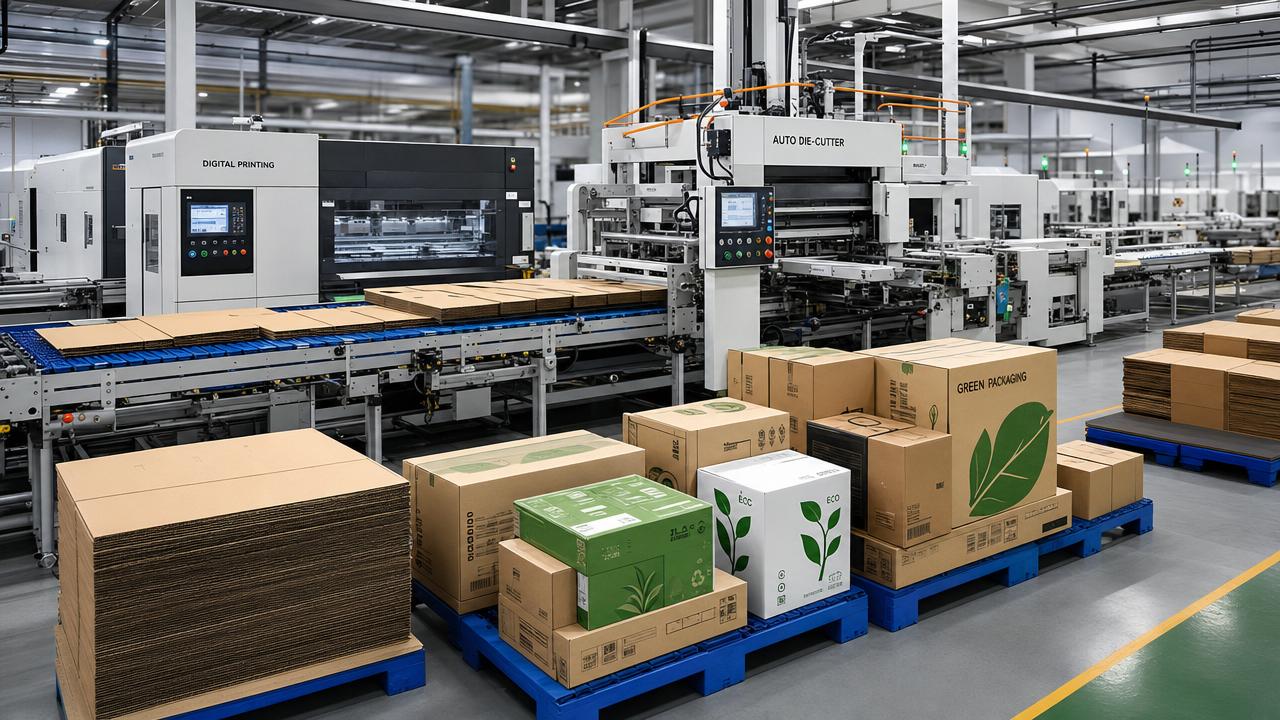
In 2026, packaging demand is being reshaped by more than volume growth. It is being redirected by regulation, brand scrutiny, and the economics of automation.
That is why green paper-based civilization matters. It frames paper packaging not as a simple plastic substitute, but as a connected production system.
The real question is no longer whether paper will gain share. The sharper question is which formats, machines, and data capabilities will capture that shift profitably.
Why the packaging conversation changes in 2026
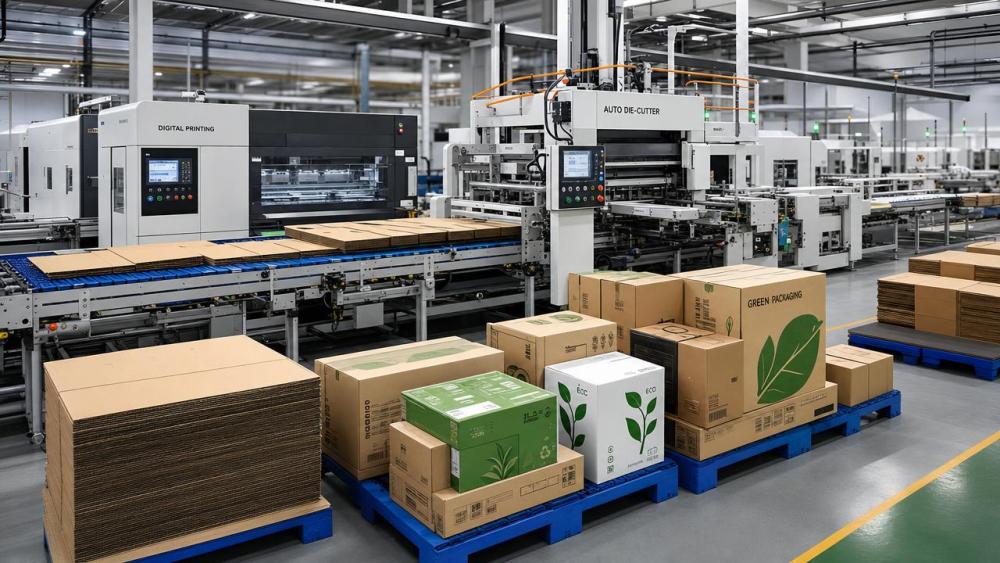
The pressure comes from several directions at once. E-commerce keeps adding shipping units, while sustainability rules make material choices more visible and more expensive to ignore.
FSC expectations, EUDR compliance, recycled fiber targets, and packaging disclosure rules now influence sourcing decisions earlier in the buying cycle.
At the same time, brand owners want lighter packs, cleaner graphics, faster design turnover, and lower damage rates in transit.
This combination makes green paper-based civilization highly relevant. It connects sustainability strategy with machinery performance, converting, and packaging intelligence.
What green paper-based civilization really means
The phrase sounds broad, but its business meaning is practical. It refers to a packaging ecosystem where paper-based materials carry both physical protection and commercial information efficiently.
In that ecosystem, value is created across the line. Raw paper becomes corrugated structure, surface design, converted geometry, glued form, and traceable distribution packaging.
So green paper-based civilization is not just about fiber. It is about print quality, board strength, glue behavior, line speed, waste control, and regulatory readiness.
This is where IPPS offers a useful lens. Its coverage of digital printing, corrugated board lines, die-cutting, folder gluing, and tissue processing mirrors the full operating reality of paper-based production.
The demand shift is moving from material choice to system choice
A few years ago, many packaging discussions focused on replacing one substrate with another. In 2026, that is too narrow.
Demand is now moving toward system choice. Buyers are asking whether a packaging line can support rapid design changes, higher recycled content, and lower operating risk.
Industrial digital printers matter because shorter runs and SKU variation are now standard. Plate-free production reduces setup friction and supports localized or promotional packaging.
Corrugated board lines matter because lightweighting cannot come at the cost of compression strength. Transit performance remains central in cross-border and last-mile logistics.
Die-cutting and stamping matter because packaging still sells on shelf, even when ordered online. Structural precision and premium finishing still shape conversion rates.
Folder gluers matter because labor volatility and throughput pressure reward automation. Small inefficiencies at folding and bonding stages scale into major cost leakage.
Why intelligence becomes part of the machine decision
In green paper-based civilization, machine selection is increasingly data selection. A line without process visibility creates hidden risk.
Paper price swings, fiber variability, ink behavior on corrugated surfaces, and glue bonding curves all affect yield. These are no longer secondary technical details.
IPPS highlights this well through its Strategic Intelligence Center. The emphasis on tension control, inkjet algorithms, and post-press bonding reflects how performance and sustainability now overlap.
Where the strongest packaging demand is emerging
Not every paper application grows for the same reason. Demand is strongest where compliance, shipping efficiency, and consumer perception meet.
These segments do not simply require more capacity. They require better alignment between substrate behavior, production speed, and finishing accuracy.
What decision quality looks like in practice
The rise of green paper-based civilization rewards disciplined evaluation. A lower-carbon claim has limited value if it raises breakage, delays launches, or weakens print consistency.
A stronger decision usually balances five dimensions at once.
- Material fit: virgin, recycled, mixed fiber, flute type, and barrier needs.
- Production flexibility: run length changes, versioning, and turnaround speed.
- Conversion quality: creasing precision, bonding stability, and dimensional repeatability.
- Compliance traceability: certification readiness, sourcing transparency, and data records.
- Lifecycle efficiency: waste rate, labor exposure, uptime, and energy intensity.
This is also why intelligence platforms matter more. Reliable insight shortens the gap between sustainability ambition and machine-level execution.
Signals worth monitoring through 2026
Several indicators reveal whether green paper-based civilization is genuinely reshaping demand, or only driving marketing language.
- Tender documents begin to specify fiber traceability and automated reporting.
- Packaging redesign projects include print workflow and post-press criteria from the start.
- Capital spending shifts toward corrugated upgrades and digital conversion lines.
- Glue-free or glue-reduced structures appear in more development pipelines.
- Packaging KPIs include damage rate, recyclability, and setup time together.
Why the broader paper ecosystem also matters
Green paper-based civilization extends beyond shipping boxes. It also reinforces demand for hygienic, traceable, and efficiently converted paper products across daily consumption categories.
That is why tissue machinery still belongs in the discussion. It reflects how automation, cleanliness, and packaging discipline travel across multiple paper-based segments.
For companies watching capital allocation, this wider view matters. Shared lessons in web handling, rewinding, bonding, and packaging automation often improve investment timing.
A practical way to respond now
The best response is rarely a sudden packaging overhaul. It is usually a structured review of where paper-based demand is becoming operationally attractive.
Start by mapping which packaging formats face the strongest regulatory or commercial pressure. Then test whether current print, corrugation, and post-press assets can support the likely shift.
After that, compare machine options through both output and compliance lenses. A faster line is not automatically a better line if waste, traceability, or substrate instability remain unresolved.
In simple terms, green paper-based civilization is reshaping packaging demand in 2026. The winners will be those who treat it as an integrated manufacturing and intelligence question, not a packaging slogan.
That makes the next step clear: define the packaging scenarios that matter most, set measurable technical thresholds, and follow market intelligence that links sustainability with production reality.
Industry Briefing
Get the top 5 industry headlines delivered to your inbox every morning.
Recommended News