
Digital Printing Technology Trends Shaping Packaging in 2026
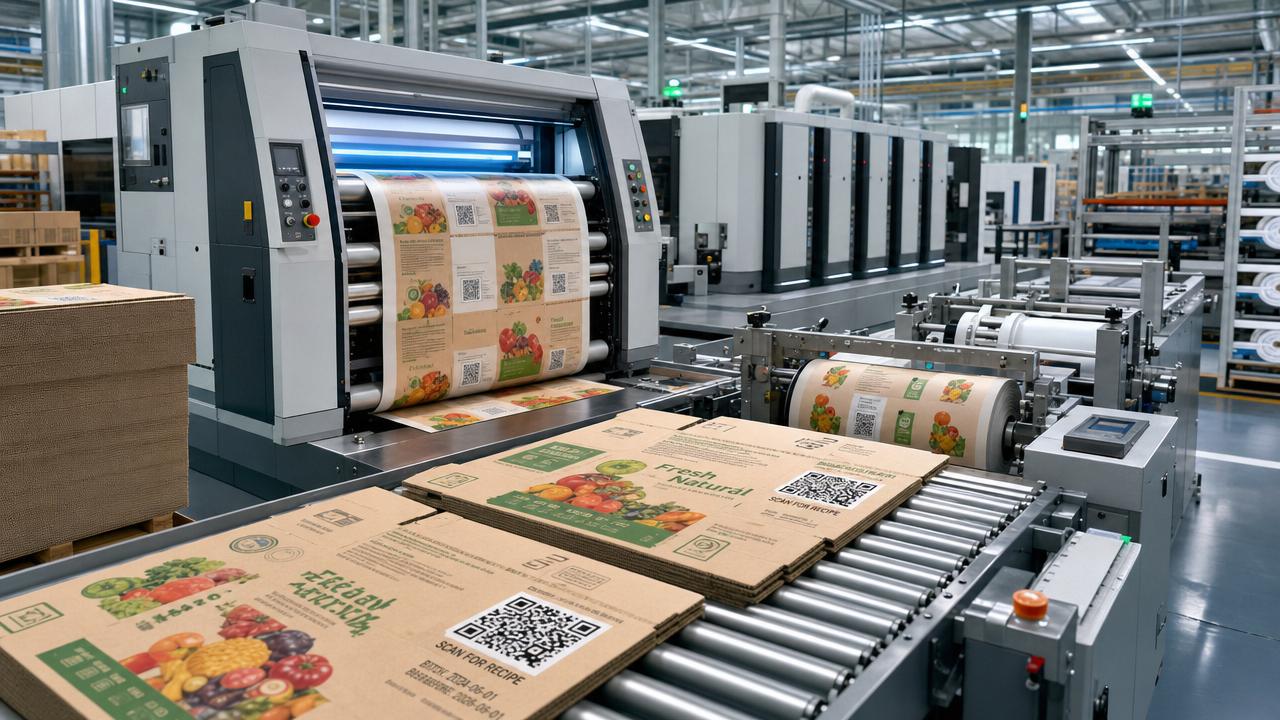
In 2026, digital printing technology is reshaping packaging through speed, flexibility, and measurable sustainability gains. Market shifts are no longer incremental. They are structural, data-driven, and closely tied to e-commerce, regulation, and changing consumer expectations.
For the broader industrial ecosystem, packaging now carries more than products. It carries traceability, brand identity, compliance data, and operational efficiency. That is why digital print adoption is moving from pilot projects to strategic packaging infrastructure.
Across corrugated, folding carton, labels, and tissue-related packaging formats, businesses are using digital printing technology to reduce setup waste, accelerate design changes, and support shorter production cycles without sacrificing visual quality.
Digital printing technology is moving from niche flexibility to mainstream packaging capability
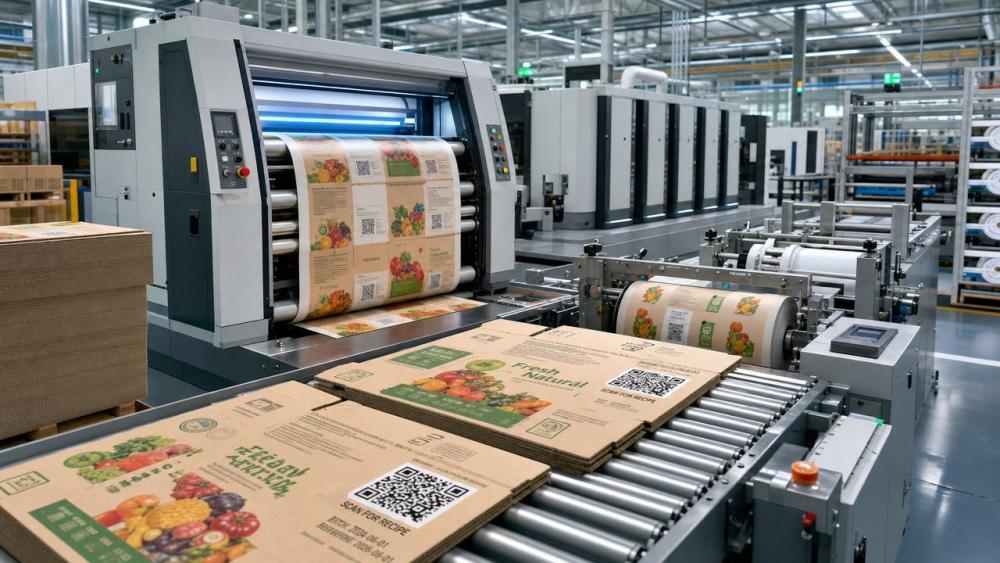
The clearest signal in 2026 is scale. Digital printing technology is no longer limited to promotional runs or prototype cartons. It is increasingly integrated into everyday packaging workflows.
This shift is visible in high-speed inkjet systems, hybrid press lines, automated color control, and stronger links between print engines and finishing equipment. The result is a more responsive packaging chain.
Another strong signal is substrate expansion. Printers are improving performance on coated liners, kraft surfaces, lightweight boards, and increasingly challenging corrugated profiles. This widens the business case for digital print in transport and retail packaging.
At the same time, packaging buyers expect faster artwork changes, regional customization, and serialized communication. Conventional methods remain important, but they cannot always match the responsiveness enabled by modern digital printing technology.
The forces behind packaging change are becoming easier to measure
Several forces are accelerating adoption. They combine commercial pressure, engineering progress, and environmental accountability. In 2026, decision-making is increasingly based on measurable production and supply chain outcomes.
These drivers matter because they reinforce each other. More customization creates more data. More data requires more automation. More automation improves waste control, which strengthens the sustainability case for digital printing technology.
Five packaging trends are defining digital printing technology in 2026
1. Mass customization is becoming operational, not experimental
Short runs once meant higher cost and production disruption. In 2026, better workflow software and faster front-end processing are changing that equation.
Brands can now launch regional designs, influencer collaborations, event packaging, and multilingual packs with less inventory risk. Digital printing technology supports this by removing plate dependency and compressing changeover time.
2. Corrugated packaging is gaining sharper digital print performance
Inkjet quality on corrugated surfaces is improving through better drop control, substrate conditioning, and printhead accuracy. This is important for e-commerce-ready boxes that must look branded and durable.
For industrial and logistics packaging, visual consistency matters more than before. Outer packaging now acts as a selling surface, not just a protective shell.
3. Variable data printing is becoming a packaging growth engine
Serialized codes, QR interactions, anti-counterfeit elements, and lot-specific information are expanding rapidly. Packaging is becoming a communication channel with unique identities at unit level.
Digital printing technology enables this without interrupting production flow. It is especially useful where traceability, promotional engagement, or regulatory visibility must coexist on the same pack.
4. Sustainability is shifting from claims to production metrics
The market now expects proof. Waste sheets, energy use, inventory obsolescence, and ink performance are all under closer review. Digital workflows offer cleaner benchmarking.
Compared with frequent analog setup changes, digital printing technology can reduce make-ready waste and overproduction. That does not solve every environmental challenge, but it supports more disciplined resource use.
5. Print is being linked more tightly with post-press automation
Packaging value depends on the whole line, not only on print quality. In 2026, the strongest performers connect digital print engines with die-cutting, folder-gluing, inspection, and finishing data.
This matters because a beautiful print job loses value if creasing, cutting, or gluing cannot keep pace. Integrated planning is becoming essential for scalable digital packaging.
The impact reaches every stage of the packaging chain
The influence of digital printing technology extends well beyond the pressroom. It changes forecasting, design approval, inventory strategy, material selection, and post-press coordination.
- Design cycles become shorter because revisions are easier to implement.
- Production planning becomes more dynamic with mixed-run scheduling.
- Warehousing pressure can decrease through on-demand packaging output.
- Quality control shifts toward data monitoring and inline inspection.
- Compliance management improves through version control and traceable print files.
In integrated paper-based packaging systems, these gains are especially relevant. Corrugated board lines, digital printers, die-cutting units, and folder gluers perform best when data moves smoothly across each process step.
This is where intelligence platforms such as IPPS matter. The strongest packaging decisions now require both machinery insight and market intelligence, especially around substrate behavior, automation readiness, and sustainability thresholds.
What deserves the closest attention in the next planning cycle
Not every digital packaging investment creates equal value. The most important questions in 2026 concern fit, integration, and long-term operating discipline.
- Substrate compatibility: Evaluate print consistency across kraft, coated board, and corrugated flute profiles.
- Workflow integration: Confirm links between prepress, color management, MIS, and finishing systems.
- Unit economics: Compare total waste, labor, changeover time, and reprint risk, not only click cost.
- Variable data readiness: Prepare for serialization, coding, and personalized graphics at scale.
- Sustainability evidence: Track measurable outputs such as spoilage reduction and inventory optimization.
- Operator capability: Advanced digital printing technology still depends on disciplined process control.
A practical response framework can reduce risk and speed adoption
A structured response is more effective than a broad technology push. The table below outlines a practical path for packaging businesses facing 2026 market conditions.
The next move is to align packaging strategy with real production signals
The 2026 packaging market rewards speed, adaptability, and evidence-based efficiency. Digital printing technology is central to that shift because it connects customization, automation, and sustainability in one operational model.
The most useful next step is simple. Review where versioning, short runs, waste reduction, or traceability create the biggest pressure today. Then match those pain points to realistic digital packaging applications.
For ongoing visibility into industrial digital printers, corrugated systems, post-press automation, and paper-based packaging intelligence, IPPS provides a strong reference point. Better decisions begin with better signals, and the signals around digital printing technology are getting clearer every quarter.
Industry Briefing
Get the top 5 industry headlines delivered to your inbox every morning.
Recommended News