
Critical Containment Technology Trends for 2026
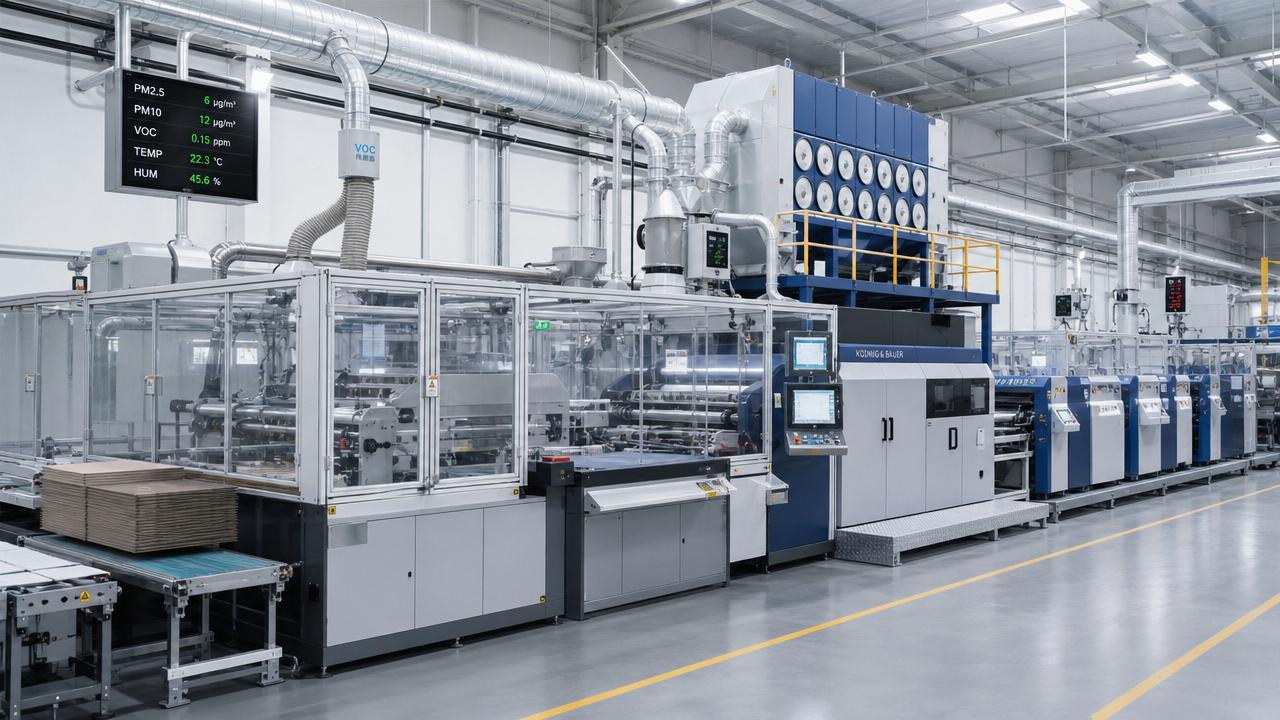
As industrial printing, corrugated packaging, post-press automation, and tissue production move toward higher speeds, stricter sustainability rules, and smarter factory ecosystems, Critical Containment Technology is becoming a strategic priority for enterprise decision makers. In 2026, containment is no longer limited to safety barriers or clean zones—it increasingly defines how manufacturers control inks, fibers, dust, adhesives, emissions, data flows, and operational risks. This article explores the key technology trends reshaping containment, helping leaders identify where investment can improve compliance, productivity, quality stability, and long-term competitive resilience.
Why Critical Containment Technology Is Moving From Safety Function to Business Infrastructure
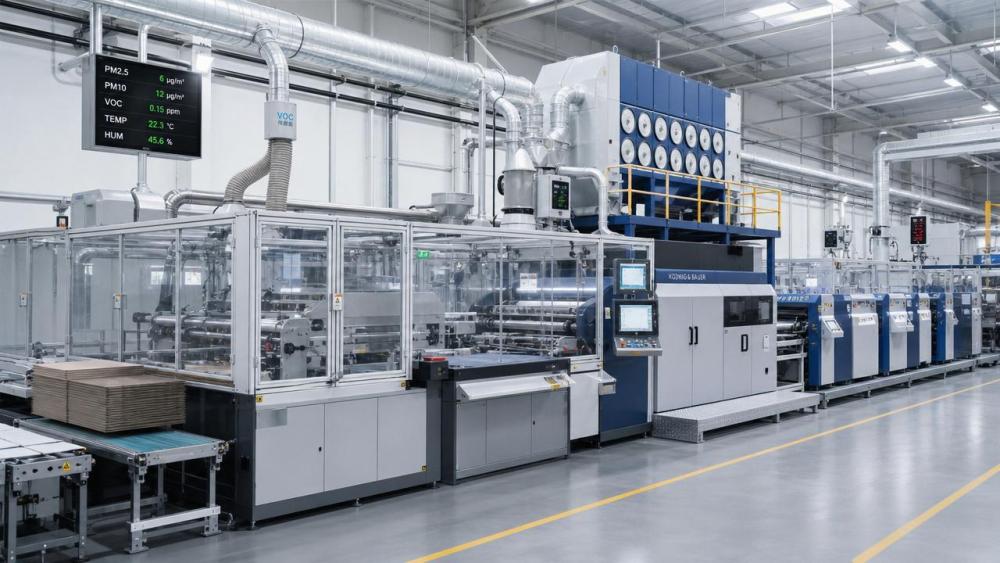
For enterprise decision makers, containment now affects uptime, product consistency, operator health, and audit readiness. It also influences whether equipment can support greener packaging models.
In paper-based manufacturing, risks rarely appear in isolation. Ink mist may affect sensors, paper dust may reduce bonding stability, and adhesive vapors may complicate ventilation design.
Critical Containment Technology connects mechanical barriers, airflow management, filtration, process monitoring, and data governance into one operational control layer.
The 2026 decision shift
- Containment budgets are increasingly evaluated against total cost of downtime, rejected batches, compliance delays, and maintenance labor.
- Procurement teams expect containment systems to integrate with digital printers, corrugators, folder gluers, die-cutters, and tissue converting lines.
- Sustainability teams require evidence on emissions, material loss, fiber recovery, and energy consumption, not only basic guarding.
IPPS observes this shift across high-speed print and paper systems, where web tension, ink behavior, glue curves, and dust control are becoming inseparable.
Which Production Scenarios Need Stronger Containment in 2026?
Critical Containment Technology delivers the highest return where production speed, material variability, and regulatory pressure intersect. These are common conditions in modern paper-based manufacturing.
The following comparison helps decision makers map containment priorities by equipment type, operating risk, and measurable business impact.
The table shows why a single containment specification rarely fits every line. A board plant, tissue facility, and digital print hub need different control priorities.
IPPS encourages leaders to treat Critical Containment Technology as a process-specific investment, not as a generic enclosure added after machinery selection.
Key Technology Trends Reshaping Containment Decisions
In 2026, containment systems are becoming more intelligent, modular, measurable, and sustainability-linked. The strongest solutions combine physical control with process analytics.
1. Sensor-rich containment zones
Modern Critical Containment Technology uses particulate sensors, pressure monitoring, VOC detection, humidity tracking, and thermal data to detect drift before failures occur.
For digital printing, stable microclimates help protect piezoelectric printheads. For corrugators, temperature and humidity control support consistent paper behavior.
2. Modular containment for flexible production
Shorter product cycles and e-commerce customization require containment that can adapt quickly. Modular hoods, removable panels, and zoned extraction reduce retrofitting pressure.
This is particularly relevant for plants handling multiple substrates, varied ink systems, fast tooling changes, or mixed carton formats on shared production assets.
3. Energy-aware air management
Containment that simply exhausts more air may increase operating costs. Advanced systems now balance capture velocity, filtration efficiency, heat recovery, and airflow zoning.
For tissue processing and corrugated drying sections, energy-aware design can reduce unnecessary ventilation load while keeping operators and sensitive components protected.
4. Digital traceability for audits and tenders
Compliance is moving from document claims to operational evidence. Critical Containment Technology now supports logs for filtration changes, alarms, exposure events, and emissions trends.
This matters when customers request FSC-related sourcing evidence, EUDR readiness, hygiene assurance, or lower-impact packaging production records.
How to Evaluate Critical Containment Technology Before Procurement
Procurement teams often compare enclosure price first. That approach misses integration risk, maintenance cost, energy demand, and measurable production value.
A better evaluation model connects containment performance with machinery speed, substrate properties, plant layout, and future compliance obligations.
This procurement matrix helps leaders avoid fragmented decisions. Critical Containment Technology should be assessed through production, compliance, finance, and maintenance lenses together.
Practical buyer checklist
- Define the target contaminant, such as ink mist, paper dust, adhesive vapor, tissue lint, steam, or mixed particulate release.
- Map operator access, maintenance frequency, cleaning routines, and emergency-stop requirements before approving enclosure geometry.
- Request airflow, filtration, noise, energy, and alarm logic data instead of relying only on visual enclosure drawings.
- Check whether containment data can connect with MES, SCADA, quality systems, or maintenance dashboards.
Compliance, Standards, and Risk Control: What Should Leaders Watch?
Critical Containment Technology supports compliance, but it does not replace a complete risk assessment. Plant owners must align design with local regulations and customer requirements.
Common reference areas include machine safety, occupational exposure control, fire risk management, hygiene zones, environmental emissions, and responsible sourcing documentation.
Decision makers should avoid treating standards as paperwork only. The strongest containment plans translate compliance obligations into measurable operating conditions.
Cost and Alternative Options: Where Should Investment Be Prioritized?
Not every plant needs the most complex containment architecture. The right choice depends on contaminant load, product sensitivity, automation level, and customer audit pressure.
Three investment levels
- Basic containment suits stable, low-risk lines where fixed guarding, simple extraction, and scheduled cleaning can maintain acceptable conditions.
- Advanced containment fits high-speed digital print, corrugated, and converting lines needing sensors, alarms, zoned airflow, and better filter planning.
- Strategic containment is appropriate for export-oriented, hygiene-sensitive, or sustainability-driven plants requiring traceable data and integrated controls.
The cheapest alternative is often procedural control, such as more cleaning or personal protective equipment. Yet this rarely solves root causes at production speed.
For enterprise leaders, Critical Containment Technology should be prioritized where one contamination event can damage delivery commitments, brand reputation, or tender eligibility.
FAQ: Common Questions About Critical Containment Technology
How do we know whether our plant needs upgraded containment?
Start with recurring symptoms: nozzle clogging, dusty sensors, glue defects, odor complaints, high cleaning labor, inconsistent bonding, or customer audit findings.
If these issues appear near high-speed paper handling, printing, gluing, or converting zones, Critical Containment Technology should be evaluated systematically.
Is containment mainly a safety purchase or a productivity purchase?
It is both. Safety may trigger the project, but productivity benefits often come from fewer stoppages, cleaner components, better quality stability, and faster audits.
Can containment be retrofitted to existing equipment?
Yes, but retrofit success depends on access points, airflow paths, maintenance clearance, utilities, controls integration, and whether production can pause during installation.
For corrugated and tissue lines, phased implementation may reduce disruption compared with full-line shutdowns.
What is the biggest mistake in containment procurement?
The biggest mistake is buying visible enclosure hardware without defining target contaminants, measurement methods, operating thresholds, and maintenance responsibility.
Why Choose IPPS for Containment Intelligence and Procurement Support?
IPPS connects containment decisions with the realities of industrial digital printers, corrugated board lines, die-cutting systems, folder gluers, and tissue machinery.
Our Strategic Intelligence Center helps decision makers interpret process risks, equipment constraints, sustainability requirements, and supplier claims with technical depth.
You can consult IPPS on Critical Containment Technology parameters, application scenarios, retrofit feasibility, certification questions, delivery planning, sample validation, and quotation comparison.
For manufacturers preparing 2026 investment plans, IPPS can support structured option review, cross-line benchmarking, and practical containment roadmaps aligned with green packaging growth.
Industry Briefing
Get the top 5 industry headlines delivered to your inbox every morning.
Recommended News