
2026 Digital Printing Technology Trends in Packaging
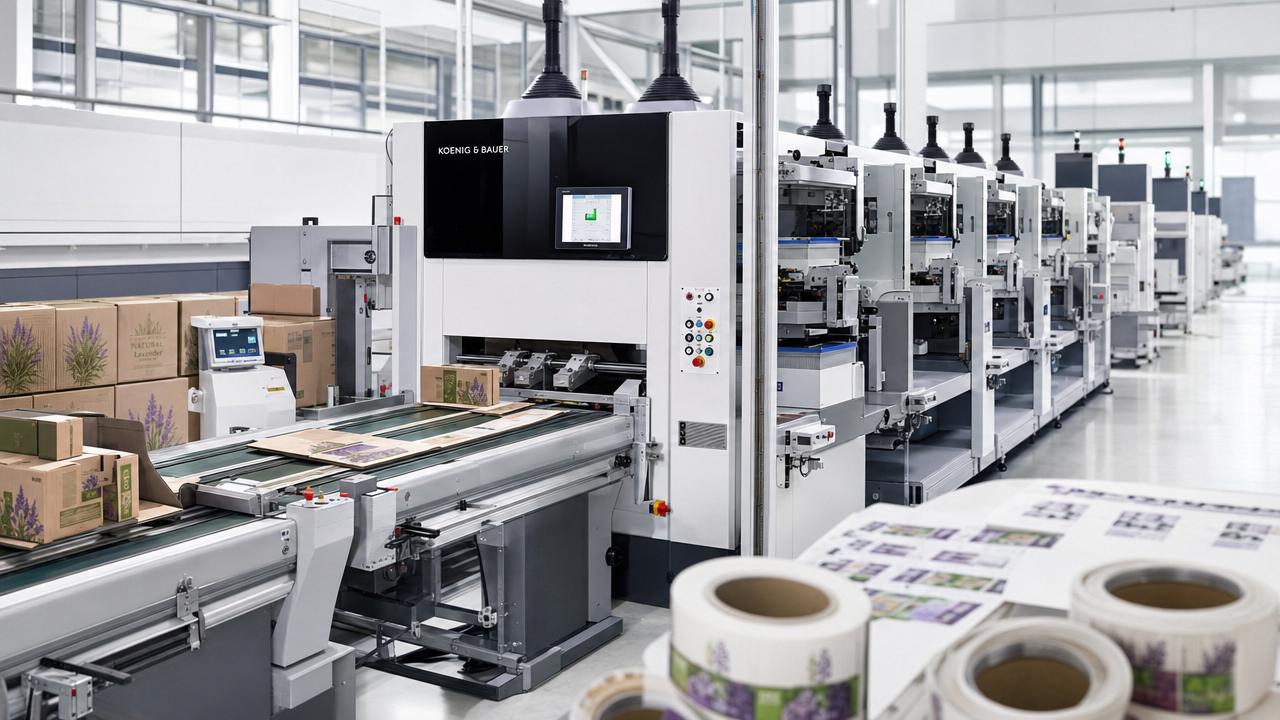
As packaging markets race toward shorter runs, smarter automation, and stricter sustainability standards, digital printing technology is becoming a strategic growth engine for global packaging operations.
In 2026, the real question is not whether digital printing technology delivers better graphics. It is which packaging scenarios can unlock measurable value through data-driven, connected production.
Across corrugated, folding carton, labels, and paper-based retail packs, the most competitive systems will combine print accuracy, substrate stability, finishing integration, and sustainability compliance.
For intelligence platforms such as IPPS, this shift matters because market winners increasingly depend on synchronized decisions across digital printers, corrugators, die-cutters, folder gluers, and post-press automation.
Why 2026 is a turning point for digital printing technology in packaging scenarios
Packaging demand is fragmenting fast. Product launches are shorter, SKU counts are higher, and regional campaigns require flexible artwork changes without costly plate production.
This is where digital printing technology changes operational logic. It supports versioning, variable data, and fast switchovers while reducing setup waste on paper-based packaging lines.
At the same time, sustainability pressure is changing substrate choices. Recycled papers, lightweight corrugated boards, and certified fiber materials create new print and finishing challenges.
In 2026, digital printing technology will be judged by scenario fit. Print quality alone will not justify investment if web tension, drying, adhesion, and converting speed are misaligned.
How different packaging scenarios create different decision priorities
The same engine performs differently across applications. Corrugated shipping boxes need durability and throughput. Premium cartons need decoration precision. Tissue packaging needs repeatability and hygiene.
That is why scenario-based evaluation is essential. Digital printing technology should be selected according to board structure, ink behavior, finishing path, and delivery expectations.
E-commerce corrugated packaging: speed, variability, and board compatibility
E-commerce packaging is one of the strongest drivers of digital printing technology. It requires short runs, fast design changes, and reliable printing on uneven corrugated surfaces.
The core judgment point is substrate behavior. A/B/C/E-flute profiles affect dot gain, color uniformity, and barcode readability, especially at high line speeds.
Another key factor is integration with board lines and box converting. If print speed exceeds die-cutting or folding-gluing capacity, overall efficiency falls despite advanced printheads.
Retail-ready folding cartons: premium appearance and version control
For cosmetics, health products, and seasonal promotions, digital printing technology enables frequent design variation with minimal inventory risk and faster commercialization cycles.
Here, the judgment point shifts toward color consistency, fine text sharpness, and compatibility with embellishment processes such as hot stamping or selective coating.
Finishing accuracy matters as much as print. Registration drift can destroy carton quality when digital print must align with creasing, die-cutting, and premium tactile effects.
Localized FMCG runs: high SKU complexity with low waste targets
Regional flavor launches and multilingual packs benefit from digital printing technology because they avoid overproduction and simplify artwork management across many SKU versions.
The key test is workflow intelligence. Files, color libraries, QR content, inspection rules, and production scheduling must move seamlessly from prepress to packing output.
Without automation, the cost advantage disappears. In this scenario, data handling and job orchestration are often more important than maximum engine speed.
Tissue and hygiene packaging: repeatability under strict operating discipline
Tissue packaging has stable volume but rising branding pressure. Digital printing technology supports frequent campaign updates while maintaining clean, repeatable production conditions.
The central decision point is process stability. Film or paper packaging materials may react differently to inks, drying temperatures, and downstream automatic packing systems.
Scenario-by-scenario differences that will define digital printing technology investments
What 2026 digital printing technology trends mean in practical packaging environments
1. Higher-speed inkjet will matter only with tension and drying control
Faster printheads are expanding opportunity, but unstable web handling can erase the advantage. In corrugated and lightweight papers, tension control becomes a hidden productivity driver.
IPPS-style intelligence on droplet behavior and substrate response becomes useful here. Micron-level inkjet performance must match real packaging materials, not laboratory assumptions.
2. Print-to-finish integration will outrank stand-alone print performance
In 2026, digital printing technology will increasingly be evaluated as one link in a connected packaging line. The handoff to die-cutting, stamping, folding, and gluing is decisive.
A system that prints beautifully but slows converting will underperform. Successful lines will synchronize print throughput with post-press capacity and defect inspection timing.
3. Sustainability compliance will move from branding message to engineering parameter
FSC and EUDR requirements, recycled content, and paper replacing plastic are changing equipment expectations. Digital printing technology must adapt to greener substrates without sacrificing uptime.
That includes ink selection, energy use, material waste, and glue interaction during box formation. Sustainability will be measured through process data, not marketing language.
4. Variable data printing will expand from marketing to traceability
Serialized QR codes, logistics labels, and region-specific compliance data are pushing digital printing technology deeper into packaging operations beyond decorative graphics.
This trend is especially valuable where anti-counterfeit features, warehouse routing, or recall management depend on readable, connected printed information.
Scenario-fit recommendations for using digital printing technology more effectively
- Test on actual substrates, including recycled liners, coated cartonboard, and different flute profiles.
- Measure full-line output, not printer speed alone, across printing, die-cutting, folding, gluing, and packing.
- Verify barcode readability, color repeatability, and drying performance under production conditions.
- Connect workflow systems so version control, inspection, and job scheduling remain synchronized.
- Assess sustainability metrics through waste rates, energy demand, and certified material compatibility.
Common mistakes when reading digital printing technology trends in packaging
A common mistake is treating all packaging jobs as equal. The needs of corrugated transport packaging differ sharply from premium folding carton or tissue wrap applications.
Another mistake is ignoring post-press. Digital printing technology creates value only when creasing, cutting, gluing, and packing remain stable at target speed.
Many teams also underestimate data complexity. Variable printing, regional compliance, and serialized packaging require stronger software discipline than traditional analog runs.
Finally, some evaluations focus too much on launch cost. In 2026, the bigger issue is long-term adaptability across sustainability rules, SKU expansion, and omni-channel packaging demand.
Next steps for evaluating 2026 digital printing technology opportunities
Start with a scenario map. Identify where short runs, packaging variation, substrate complexity, or traceability needs are already creating friction in current operations.
Then compare those scenarios against equipment realities, including corrugated handling, printhead behavior, finishing alignment, and workflow automation maturity.
Use intelligence sources that connect industrial digital printers with corrugated board lines, die-cutting systems, folder gluers, and tissue converting equipment rather than reviewing print in isolation.
The strongest 2026 strategy is practical and scenario-led. Digital printing technology creates the most value when packaging lines are designed for real production constraints, not trend headlines.
Industry Briefing
Get the top 5 industry headlines delivered to your inbox every morning.
Recommended News